ground sirloin vs ground beef is one of those questions that always hits me right when I am standing in the grocery store aisle, staring at a wall of meat packages like it is a pop quiz. You just want to make dinner, not solve a mystery. But the labels can feel confusing, and the price differences make you wonder if you are missing something important. I have cooked with both a lot, from weeknight tacos to cozy pasta bakes, and there are some simple things that can help you choose fast. Let’s break it down in a normal, non fussy way, so you can grab the right pack and get on with cooking. 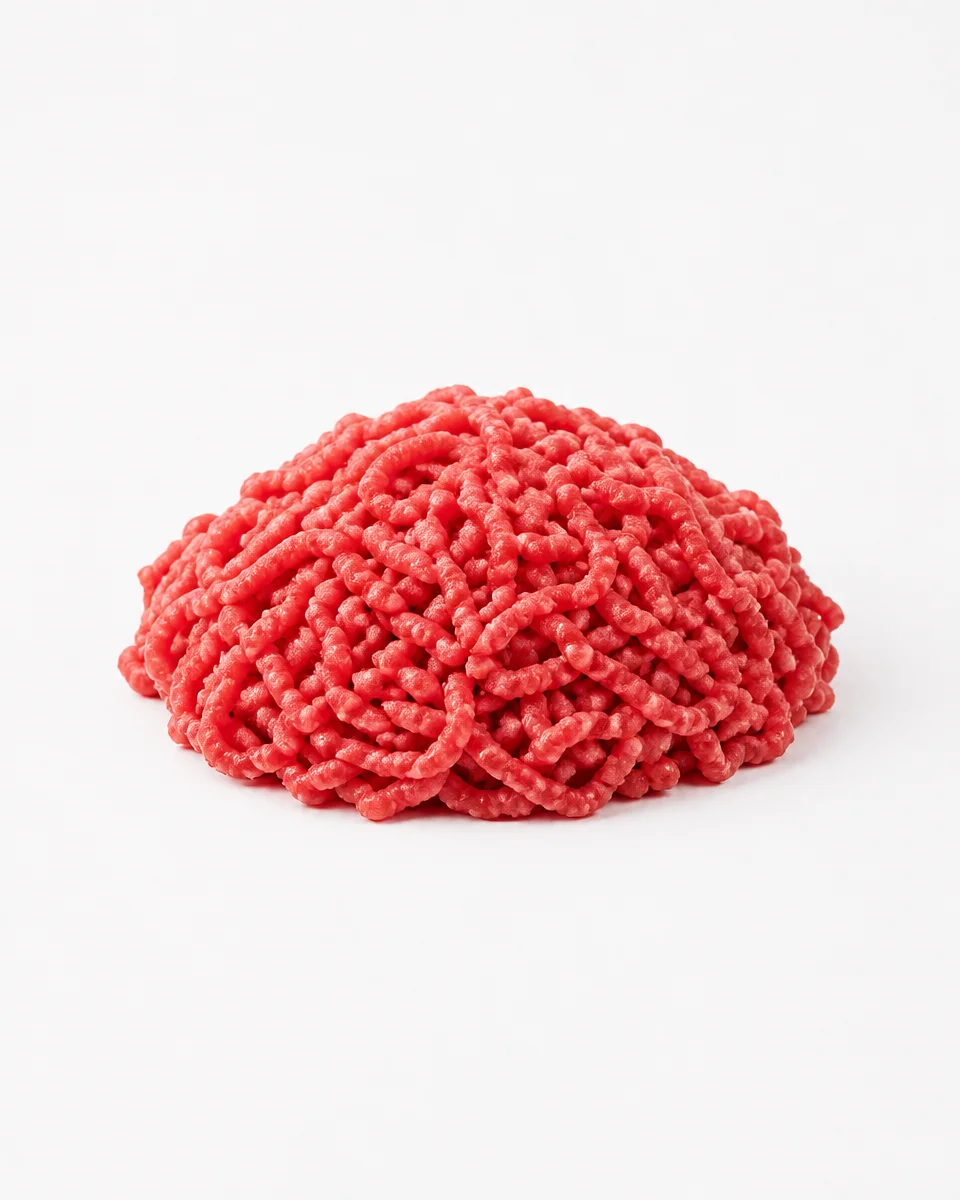
Understanding the Different Types of Ground Beef
When most people say “ground beef,” they usually mean one of the common lean to fat ratios, like 80 20 or 90 10. Those numbers are basically telling you how much lean meat and fat you are getting. Fat is not the enemy in cooking. It brings flavor, keeps things juicy, and helps browning happen more easily.
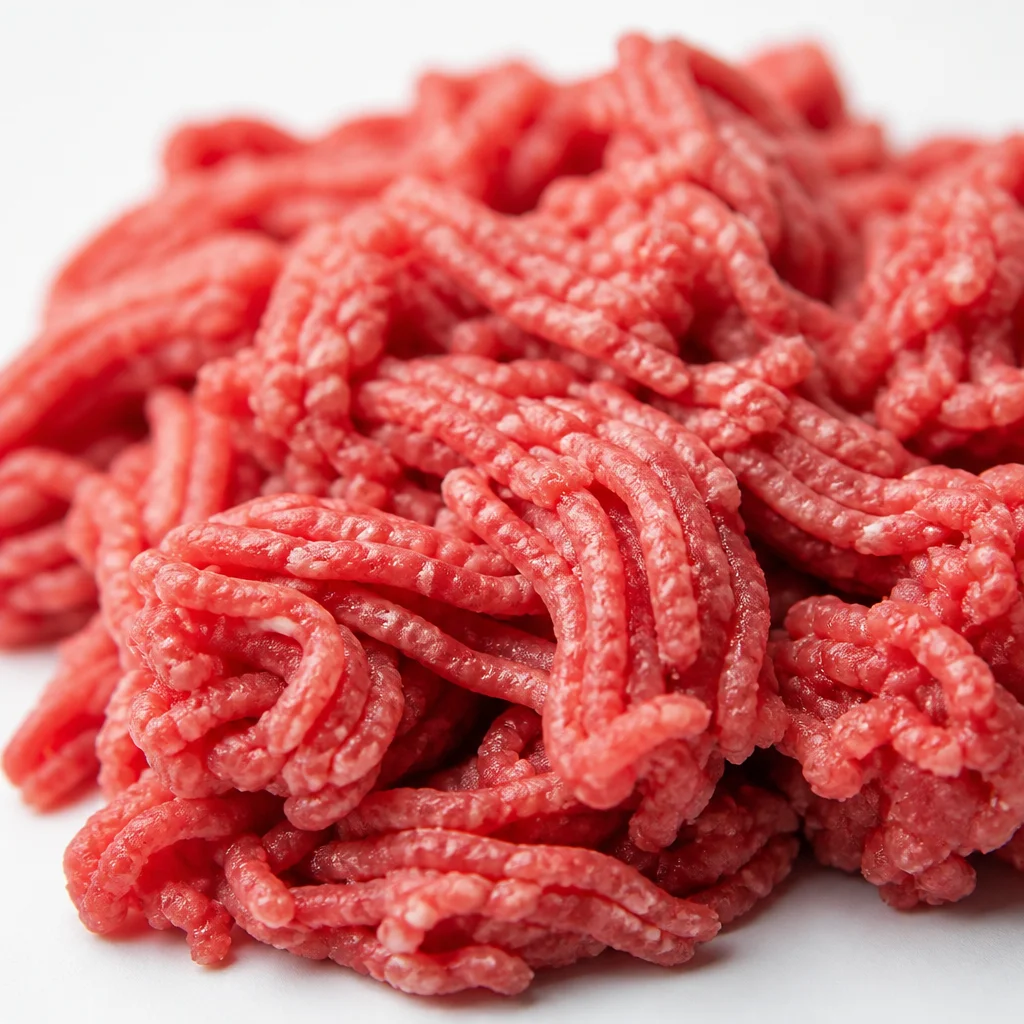
Ground sirloin is a type of ground beef, but it comes from a specific cut, the sirloin. That usually means it is naturally leaner and has a slightly beefier, cleaner taste. It also tends to cost more, mostly because sirloin is a more “valuable” part of the cow compared to trimmings used in standard ground beef blends.
Here is the quick way I think about the main options when I am deciding what to buy:
- 80 20 ground beef: super flavorful, great for burgers and meatballs, but you will drain more fat.
- 85 15 ground beef: a nice middle ground for most recipes, still juicy but less greasy.
- 90 10 ground beef: leaner, good for sauces, casseroles, and meal prep, but can dry out if you overcook it.
- Ground sirloin: often around 90 10 or 92 8, a solid pick when you want lean but still satisfying.
One more thing that helps: “hamburger” sometimes means it can include extra beef fat added in, while “ground beef” usually cannot have added fat. Not every store labels the same way, but it is worth noticing.
And if you want a cozy dinner idea where regular ground beef works like a charm, this ground beef stroganoff easy dinner is the kind of creamy comfort food that disappears fast at my table.
Nutritional Comparison of Ground Beef Varieties
This part is where people can get a little stressed, so I will keep it practical. The big nutritional difference between varieties is the fat content. More fat means more calories, but it also means more flavor and tenderness. Less fat usually means more protein per bite, but it can be less forgiving in the pan.
For a simple rule: if you are watching calories or you want something lighter for meal prep, leaner options like ground sirloin or 90 10 are easier. If you are making a treat meal like burgers, a bit more fat is usually worth it.
Also, draining changes things. If you brown 80 20 and drain the fat well, the final dish is not as “heavy” as the package suggests, but you still started with more fat than a lean pack.
Another thing people forget is sodium. Plain ground beef and ground sirloin do not naturally have sodium added, but pre seasoned patties or “flavored” mixes can. If you are buying anything pre formed or pre seasoned, peek at the label.
So when you are thinking ground sirloin vs ground beef, nutrition is mostly about choosing your fat level and then cooking it in a way that matches it. Neither is automatically “healthy” or “unhealthy.” It depends on your goals and how you use it.
Best Cooking Methods for Each Type of Ground Beef
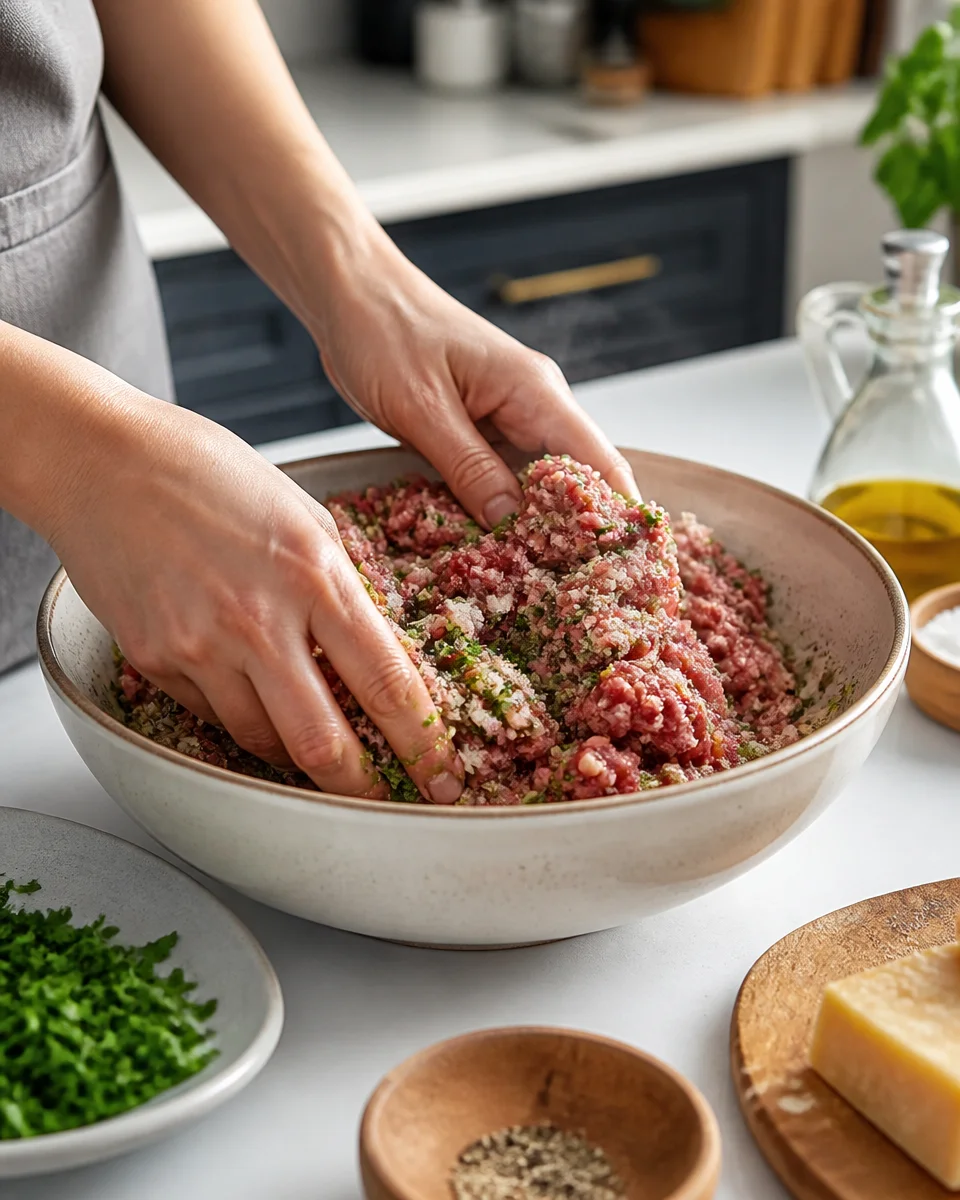
I learned this the hard way: lean meat gets sad when you cook it like fatty meat. It is not complicated, but it matters. The cooking method you pick should match the fat content, so you do not end up with dry crumbles or greasy puddles.
When ground sirloin shines
Ground sirloin is great when you want a cleaner bite and you are pairing it with something saucy or cheesy. It browns nicely, but because it is lean, it can dry out if you cook it too long.
My go to tips:
- Use a little oil in the pan if it looks dry at the start.
- Cook just until it is no longer pink, then stop.
- Let sauces do some of the heavy lifting for moisture.
When regular ground beef is the better move
If you are making burgers, meatloaf, meatballs, or anything where juiciness is the whole point, 80 20 or 85 15 is your friend. Fat helps the meat stay tender and gives you that classic rich flavor.
For skillet meals, I usually brown it first, drain if needed, then build the rest of the dish. That’s exactly why I love recipes like this ground beef shepherds pie skillet. The beef adds flavor to the whole pan, and the dish still feels hearty without being complicated.
How to Choose the Right Ground Beef for Your Recipe
This is the part you actually care about when you are hungry and trying to cook. Here is how I decide fast, without overthinking it.
Pick ground sirloin when:
- You want a leaner dinner but still want it to taste like real comfort food.
- You are making pasta sauce, chili, or taco meat and you do not want to drain much.
- You plan to add cheese, cream, or a rich sauce, so the dish will not feel “too lean.”
Pick regular ground beef when:
- You are making burgers and want that classic juicy bite.
- You are cooking meatballs or meatloaf and want tenderness.
- You want the most flavor for the lowest price, especially for a big family meal.
Price matters too. If ground sirloin is on sale, I grab it. If not, I buy 85 15 and just drain if I need to. Most recipes are flexible like that.
Also, let’s be real, sometimes you are not choosing between perfect options. Sometimes the store is out of what you want. In that case, adjust your cooking. Lean pack? Add a splash of broth or sauce sooner. Fatty pack? Drain a bit and keep seasoning bold.
One of my favorite “everybody eats this” meals is baked pasta, and it is super forgiving no matter which pack you pick. If you want a cheesy, cozy option, this creamy Velveeta spaghetti cheesy marinara ground beef is a great example of how sauce plus cheese can make even leaner meat feel extra satisfying.
Benefits of Grass-Fed and Specialty Beef Options
Now let’s talk about the fancier labels, because they can be worth it, depending on your budget and what you care about.
Grass fed beef often has a slightly different flavor. Some people describe it as a bit more “beefy” or earthy. It is also usually leaner, so it behaves more like ground sirloin in the pan. I personally like it most in recipes where I can taste the meat, like simple taco filling or a basic chili.
Organic and pasture raised labels can vary in meaning depending on certification, so I try not to assume too much. What I do know is that these options often cost more, and they can be a good choice if you are trying to support certain farming practices.
Dry aged blends and specialty grinds can be amazing for burgers, but that is more of a weekend splurge thing for me. When you do buy specialty beef, keep the seasoning simple. Salt, pepper, maybe garlic. Let it be what it is.
So if you are weighing ground sirloin vs ground beef and you spot a grass fed option, just remember it may cook a little faster because it is lean. Keep an eye on it and do not wander off scrolling your phone like I sometimes do.
Common Questions
Is ground sirloin the same as ground beef?
Ground sirloin is a type of ground beef, but it comes specifically from the sirloin cut. “Ground beef” can be a blend from different cuts and trimmings.
Which is better for burgers?
If you want the juiciest burger, 80 20 ground beef is usually the winner. Ground sirloin can make a tasty burger too, but it is easier to overcook and end up a bit dry.
Do I need to drain the fat every time?
Nope. Drain if there is a lot of grease or if your dish feels oily. For some recipes, a little fat left in the pan adds flavor and helps carry seasonings.
What is the best option for meal prep?
Lean packs like ground sirloin or 90 10 are easier for meal prep because you do not end up with extra grease, and the macros are simpler to estimate.
Can I swap one for the other in a recipe?
Yes, almost always. Just adjust for fat. Leaner meat may need a touch of oil or extra sauce. Fattier meat may need draining and a little more seasoning.
A friendly wrap up before you cook
When it comes to ground sirloin vs ground beef, it really boils down to fat, flavor, and what you are cooking tonight. Ground sirloin is lean, tidy, and great in saucy meals, while regular ground beef gives you that rich classic taste, especially in burgers and meatballs. If you want an extra reference to compare them, I like this breakdown from Ground Sirloin vs. Ground Beef – Allrecipes, and it is also interesting to read real world opinions in Sirloin vs. Ground Beef – Starting Strength Forums. Now pick a pack, keep it simple, and cook something comforting tonight. You have totally got this.