
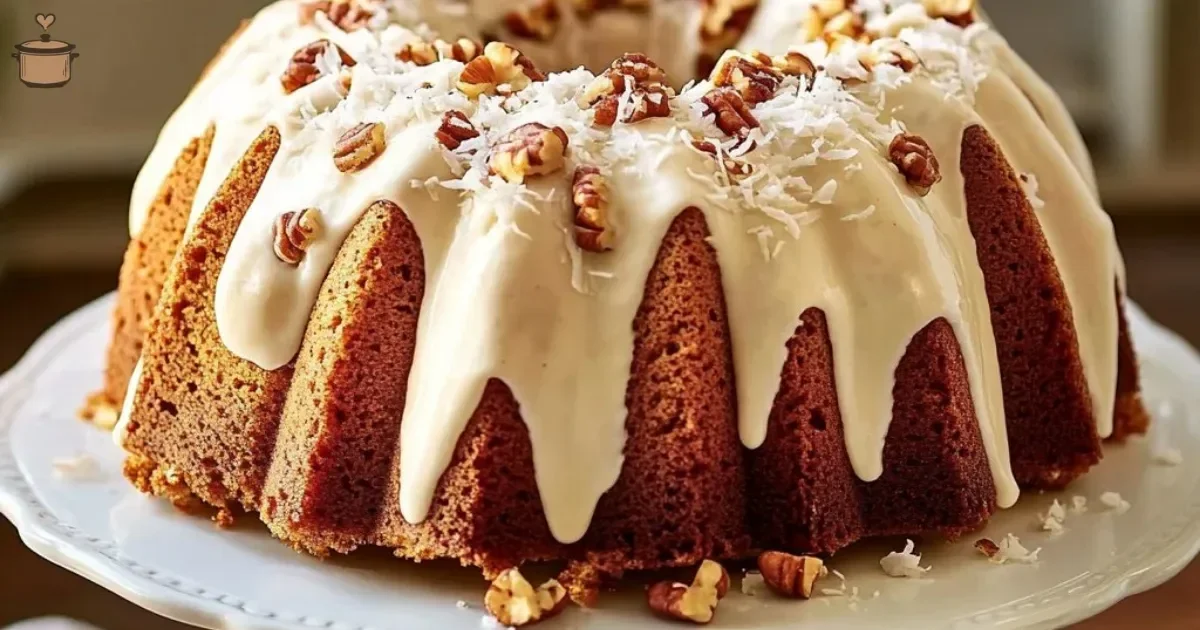
I can still smell it now: warm vanilla and toasted pecans drifting through the house as the bundt cake cooled on the counter. The mixer had hummed softly in the next room, and my mother called us in for a slice, hands floury, apron tied just so. That quiet afternoon, the family gathered around the table, and a simple Italian Cream Bundt Cake became the center of our small celebration.
Why Italian Cream Bundt Cake Still Belongs at the Table
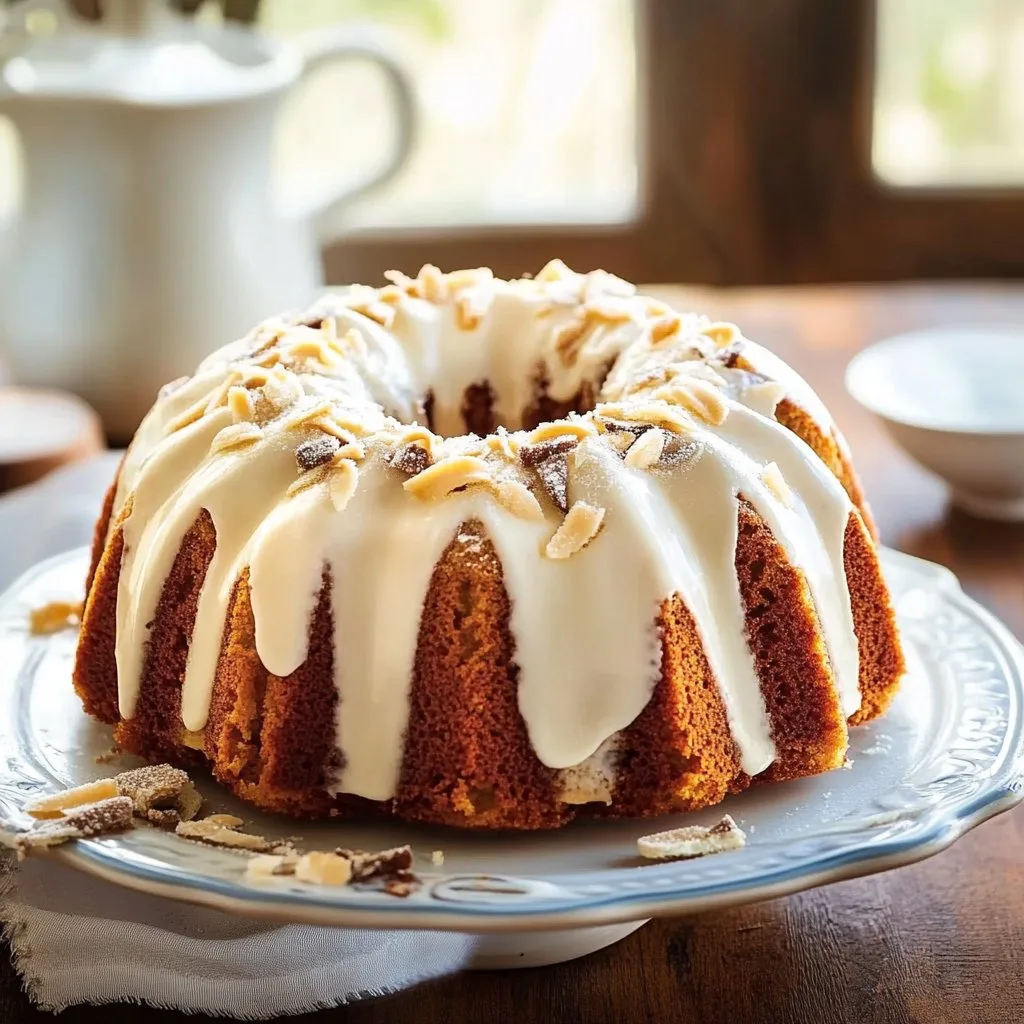
This cake sits at the heart of so many Italian-American memories. It is not a fussy pastry meant only for formal dinners. It is a dessert that shows up at baptisms, birthdays, Sunday dinners, and lazy Tuesdays when someone brings a pot of coffee to share. The Italian Cream Bundt Cake carries the warmth of the old country and the ease of the new.
In our family, this cake arrived wrapped in memory. My aunt made it after mass. My cousin brought it to picnics. It always tasted like home because it arrived with a story. That is why this recipe matters. It holds people together, and it asks for patience more than perfection.
This dessert also fits in with many italian dessert recipes because it blends simple pantry staples with a few special touches. It is among the easy italian desserts that even a new baker can learn. The cake’s crumb is tender, its texture a little nutty, its aroma rich with butter and vanilla. It is an ideal homemade cake for moments when you want something honest and shared.
Bringing Italian Cream Bundt Cake Together With Care
“Every dessert like this carries a memory, whether you realize it or not.”
Before the flour meets the butter, take a breath and set out your pans and bowls. Baking this bundt cake is a gentle rhythm. You measure, whisk, and fold. You will smell coconut and pecans as they mingle with vanilla. The batter will thicken and shine as you mix, and the kitchen will feel like a warm promise.
I like to say baking is a slow conversation with ingredients. From there, you listen to cues: batter that ribbons from the spoon, edges that pull away from the pan, a toothpick that comes out clean. These are the signs that the cake is ready, not a stopwatch alone.
The recipe brings comfort in its simplicity. It does not rush you, and it forgives the small mistakes that happen in every kitchen. Meanwhile, you can think about the people who will share the cake. That small act of thinking makes a difference.
What You’ll Need to Make Italian Cream Bundt Cake
2 cups all-purpose flour
1 teaspoon baking powder
1/2 teaspoon baking soda
1/2 teaspoon salt
1 cup unsalted butter, softened
2 cups sugar
4 large eggs
1 teaspoon vanilla extract
1 cup buttermilk
1 cup shredded coconut
1 cup chopped pecans
Notes on ingredients and choices:
- Use unsalted butter so you control the salt level. It gives a clean, rich flavor.
- If you do not have buttermilk, mix 1 tablespoon lemon juice or vinegar into 1 cup milk and let it sit for 5 minutes. It keeps the crumb tender.
- Shredded coconut provides texture and a hint of sweet chew. Use sweetened or unsweetened based on how sweet you prefer.
- Toast the pecans briefly for a deeper, warmer nut flavor. It makes a big difference.
- For a softer crumb, whole milk can be used with the same acid trick as above, but buttermilk adds a slight tang that we love in this cake.
Step-by-Step Directions
- Preheat your oven to 350°F (175°C) and grease a bundt pan.
Warm the oven early so the pan and air are ready. Grease with butter or nonstick spray, then dust with a little flour. You will notice the batter slide from the pan more easily when the surface is well prepared. - In a bowl, whisk together flour, baking powder, baking soda, and salt.
Mix until the dry ingredients look even and light. This helps lift the cake and keeps the leaveners spread through the flour. The dry mix should smell faintly of flour and baking powder. - In a large mixing bowl, cream the butter and sugar together until light and fluffy.
Beat for several minutes until the butter grows pale and airy. You will see the sugar dissolve into the butter and small ribbons form when you lift the beater. This step gives your cake its tender rise. - Add the eggs one at a time, mixing well after each addition, then stir in the vanilla.
Add each egg slowly and beat until the mixture looks smooth after each. The batter will thin and then thicken again. Stir in vanilla and breathe in the sweet scent this is one of the best parts. - Gradually add the dry ingredients to the wet ingredients, alternating with buttermilk.
Add a third of the dry mix, then half the buttermilk, and repeat, ending with dry ingredients. Mix just until combined. The batter should be smooth and slightly thick, not overworked. - Fold in the shredded coconut and chopped pecans.
Use a spatula and gentle, patient folds so the coconut and nuts stay suspended in the batter. The flecks of coconut and nuts will shine through when you scoop the batter into the pan. - Pour the batter into the prepared bundt pan.
Smooth the top with a spatula so the batter settles evenly. Tap the pan lightly on the counter to remove any air bubbles. The batter should fill the pan evenly, not overflowing. - Bake for 50-60 minutes, or until a toothpick inserted into the center comes out clean.
The cake’s edges will begin to pull away from the pan and the top will be lightly golden. A toothpick with a few moist crumbs is fine, but no wet batter. The kitchen will smell of toasted nuts and vanilla. - Let the cake cool in the pan for 10 minutes, then invert it onto a serving plate.
After ten minutes, run a thin knife around the edge if needed, then flip the pan carefully. The cake will release with a gentle thud. Let it cool fully before you frost so the icing does not melt away. - Frost or dust with powdered sugar if desired and serve.
For a quick finish, sift powdered sugar over the top. For a richer coat, spread a cream cheese or simple vanilla glaze and let it set. Slice slowly and serve with coffee or espresso.
A Dessert Meant to Be Shared
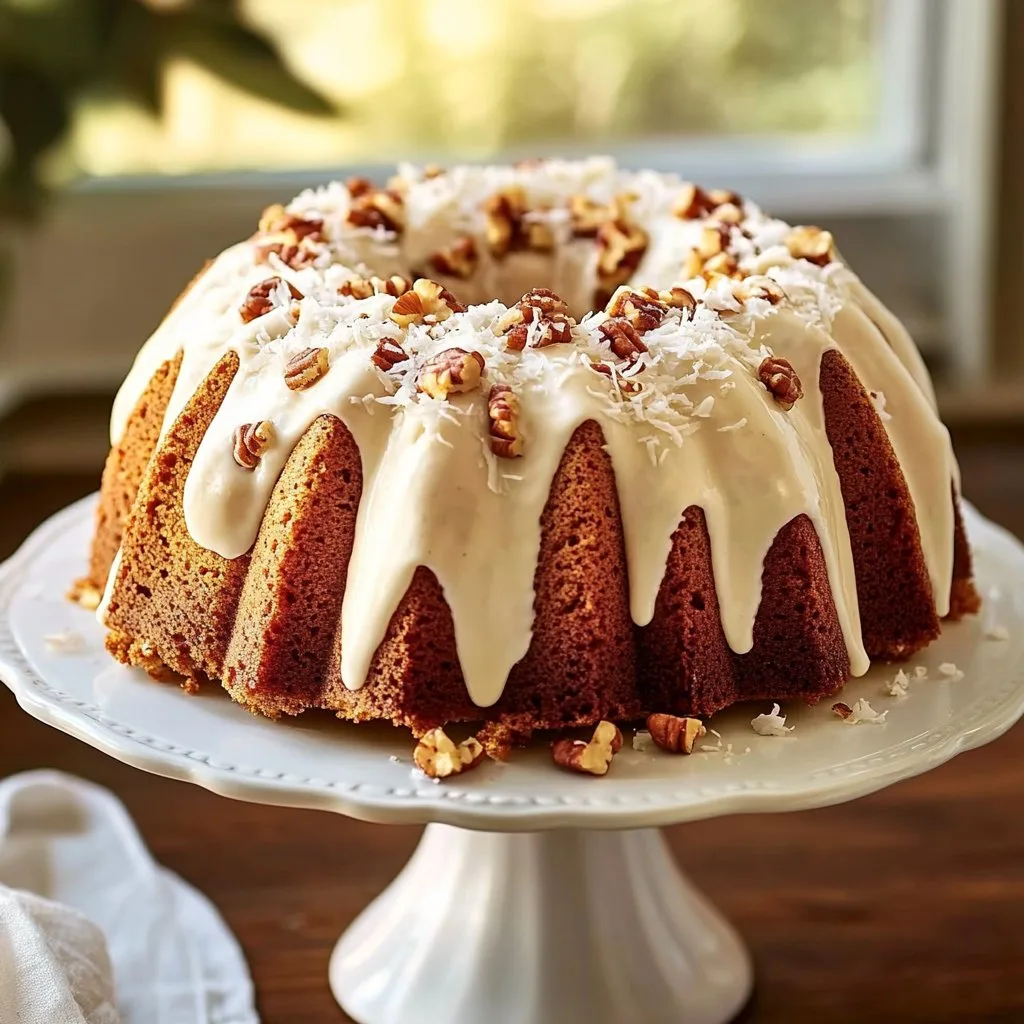
Slicing this bundt cake is a small ceremony. I use a serrated knife and cut slowly, easing the blade back and forth. The first slice reveals the tender crumb dotted with coconut and pecans. It gives a soft, slightly chewy texture that pairs beautifully with a cup of hot espresso.
Serve on simple plates and invite conversation. The cake is not loud in flavor, but it is steady and comforting. Try it warm with a dollop of whipped cream, or cool with a thin coat of glaze. Families tend to argue over the edges, and that is part of the joy.
This cake also fits well beside other celebration desserts when you want variety without fuss. It stands on its own or shares the table with cookies, a light tart, or small fruit plates. For a truly Italian-American spread, add biscotti and a pot of strong coffee.
How to Store Italian Cream Bundt Cake
This cake keeps well, and it often tastes better the next day. The flavors settle and the pecans soften slightly into the crumb.
Room temperature: Wrap the cake tightly in plastic wrap or keep it in an airtight container for up to two days. Keep it away from direct sunlight and strong odors.
Refrigeration: If you add a cream cheese frosting or a glaze that needs cooling, refrigerate in an airtight container for up to five days. Bring the cake to room temperature before serving to let the butter and flavors relax.
Freezing: Freeze slices or the whole cake wrapped in plastic wrap and then in foil for up to three months. Thaw in the refrigerator overnight and bring to room temperature before serving. Frozen cake can be a lifesaver for celebration desserts planned ahead of time.
Reheating: Warm slices briefly in a low oven or microwave for a few seconds to restore that just-baked feeling. A quick warm-through brings back the aroma and softens the crumb.
Giulia’s Kitchen Notes
- Pan choice and preparation matter. A heavy, well-seasoned bundt pan gives even color and releases better. Grease well, and dust with flour or sugar for a pretty finish.
- Don’t overmix. Once you add flour, mix just until combined. Overmixing makes the crumb tough. Look for a batter that pours slowly but is not runny.
- Test for doneness with a toothpick and visual cues. A clean toothpick or one with a few moist crumbs is right. Watch for the edges pulling away and a light golden top.
- Toast the pecans. Fifteen minutes at 325°F on a sheet pan brings out their oils and makes every bite more fragrant. Let them cool before chopping.
- Adjust sweetness thoughtfully. If using sweetened coconut, reduce sugar by a small amount only if you prefer a less sweet cake. This cake balances sweet, butter, and tang too many changes can hide the gentle flavors.
Ways This Dessert Changes From Kitchen to Kitchen
Every family has a twist that makes this cake theirs. Here are some of the small changes I have seen and loved.
Citrus brightening: Add a teaspoon of lemon or orange zest to the batter. It wakes the cake and pairs well with the coconut. A thin citrus glaze over the top makes it feel fresh and festive.
Cream cheese frosting: For a richer finish, spread a light cream cheese frosting after the cake cools. It makes the cake feel like a party centerpiece for birthdays and holidays.
Chocolate chips: Fold in a half cup of small chocolate chips for a chocolate-nut variation. The chips melt into pockets of sweetness and make the cake a hit with children.
Cannoli style cake: Sprinkle mini chocolate chips and a little powdered sugar on top and serve with sweetened ricotta on the side. It echoes a cannoli style cake in spirit and makes a lovely pairing for after-dinner coffee.
Toasted coconut topping: Toast shredded coconut and press it into a thin glaze. The toasted coconut adds color and crunch and makes the cake feel a little more special.
Each of these changes keeps the soul of the recipe, but brings a little twist to the table. Choose one or two that fit your family’s taste and keep the rest the same.
FAQs About Italian Cream Bundt Cake
Can I make this ahead of time?
Yes. Desserts like this are patient. In fact, the flavor often settles and deepens overnight. Bake and cool fully, then wrap and refrigerate if you plan to frost the next day.
What if I do not have buttermilk?
You can make a quick substitute by adding 1 tablespoon lemon juice or white vinegar to a cup of milk and letting it sit for five minutes. It mimics the acidity and helps the cake rise and stay tender.
Will this recipe work in a loaf pan?
It will, but the bake time will change. Expect 45 to 60 minutes for a loaf and check often. The layer thickness will affect the texture, so watch the toothpick test.
How do I avoid the cake sticking to the bundt pan?
Grease the pan well with butter and then dust with flour or sugar. For extra care, use a nonstick spray that contains flour. Let the cake rest for about ten minutes before inverting to give the structure time to set.
Can I skip the nuts or coconut?
Yes. If someone has an allergy or prefers plain cake, leave them out and consider a light glaze or a sprinkle of toasted breadcrumbs for texture. The cake will still be a lovely homemade cake.
A Final Sweet Note
Until the next celebration, remember that baking this Italian Cream Bundt Cake is more than following steps. It is a way to connect. It is the sound of a mixer, the smell of vanilla and toasted nuts, the sight of a cake cooling on the counter. These small things become the markers of time in our family.
When you bake it, think of the people you will call to the table. One slice becomes two, and soon the room fills with conversation. That is the true gift of these recipes. They teach patience, encourage sharing, and keep a steady thread of taste and memory between generations.
Conclusion
If you enjoy exploring italian dessert recipes and want another take on this classic, this version from Italian Cream Bundt Cake – Spicy Southern Kitchen offers a slightly different glaze and notes that you may find inspiring. For a thoughtful variation and beautiful photos that remind me of old family gatherings, see Italian Cream Bundt Cake – Palatable Pastime.
May your kitchen feel warm, your coffee be strong, and your table always hold a slice of something sweet.

Italian Cream Bundt Cake
- Total Time: 80 minutes
- Yield: 12 servings 1x
- Diet: Vegetarian
Description
A tender and nutty Italian Cream Bundt Cake infused with vanilla, shredded coconut, and toasted pecans, perfect for any celebration.
Ingredients
- 2 cups all-purpose flour
- 1 teaspoon baking powder
- 1/2 teaspoon baking soda
- 1/2 teaspoon salt
- 1 cup unsalted butter, softened
- 2 cups sugar
- 4 large eggs
- 1 teaspoon vanilla extract
- 1 cup buttermilk
- 1 cup shredded coconut
- 1 cup chopped pecans
Instructions
- Preheat your oven to 350°F (175°C) and grease a bundt pan.
- In a bowl, whisk together flour, baking powder, baking soda, and salt.
- In a large mixing bowl, cream the butter and sugar together until light and fluffy.
- Add the eggs one at a time, mixing well after each addition, then stir in the vanilla.
- Gradually add the dry ingredients to the wet ingredients, alternating with buttermilk.
- Fold in the shredded coconut and chopped pecans.
- Pour the batter into the prepared bundt pan.
- Bake for 50-60 minutes, or until a toothpick inserted into the center comes out clean.
- Let the cake cool in the pan for 10 minutes, then invert it onto a serving plate.
- Frost or dust with powdered sugar if desired and serve.
Notes
Use unsalted butter for better control over salt levels. The cake can be made ahead of time and often tastes better the next day. For a richer finish, consider cream cheese frosting.
- Prep Time: 20 minutes
- Cook Time: 60 minutes
- Category: Dessert
- Method: Baking
- Cuisine: Italian
Nutrition
- Serving Size: 1 slice
- Calories: 400
- Sugar: 30g
- Sodium: 300mg
- Fat: 20g
- Saturated Fat: 12g
- Unsaturated Fat: 6g
- Trans Fat: 0g
- Carbohydrates: 50g
- Fiber: 3g
- Protein: 6g
- Cholesterol: 80mg