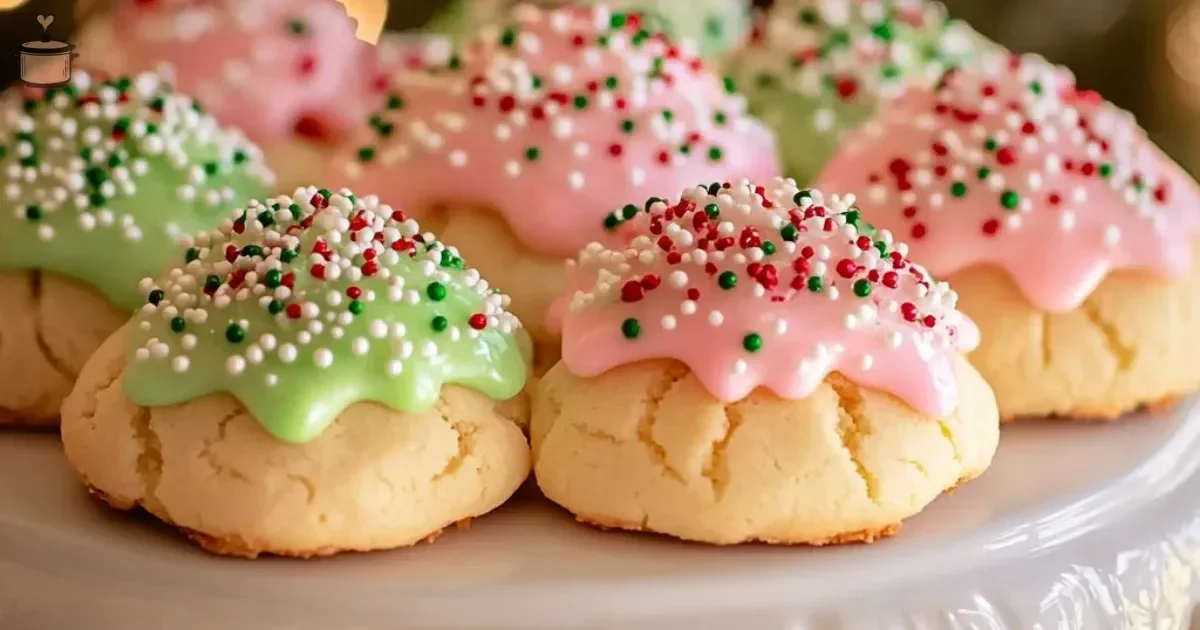
I can still smell the citrus and almond from my grandmother’s kitchen, a gentle cloud that wrapped the holiday table the moment she brought out a tray of Traditional Italian Christmas Cookies (Anginetti). The cookies sat in soft rows, their white icing gleaming like new snow, and the children leaned in to steal one while the adults poured the last cups of strong coffee. That scene lives in me: a warm oven hum, a flour-dusted apron, and the slow, patient way desserts were given time to cool and settle before anyone reached for them.
Why Traditional Italian Christmas Cookies (Anginetti) Still Belongs at the Table
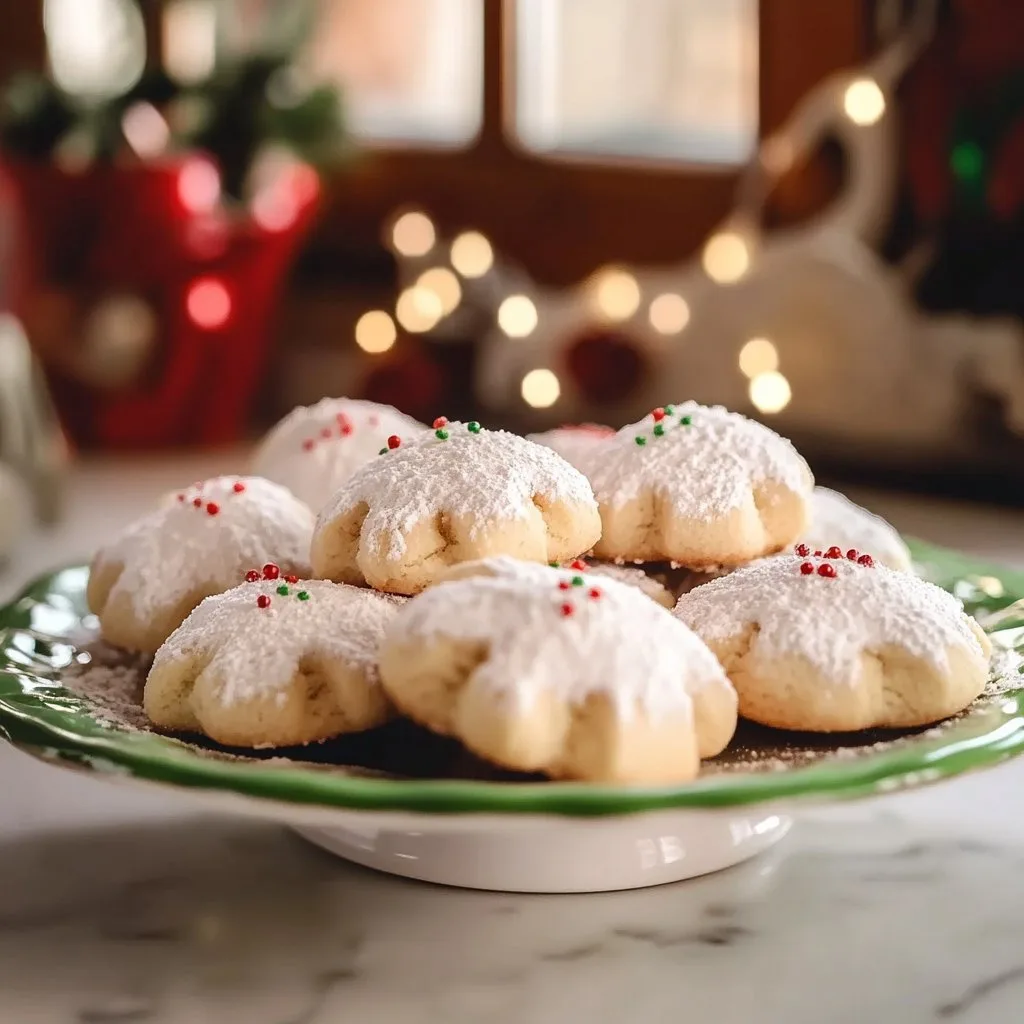
These small, tender cookies hold a soft place in Italian-American homes because they are more than pastry. They are slow afternoons, stitched-together stories, and the kind of food that asks you to pause and remember. In many families, these cookies mark the season the way wreaths and candles do. They arrive in tins, on plates, and tucked into little parchment bags for neighbors.
Anginetti are also a bridge between simple pantry ingredients and big, shared joy. The recipe is easy italian desserts at heart, but it carries the feeling of a homemade cake or a bundt cake that has warmed a family room. They are gentle enough for a weekday teatime and dignified enough to finish off a celebration desserts menu. For years, I have seen them appear at tables alongside ricotta-filled cakes, cannoli style cake slices, and other favorites that thread our past to our present.
These cookies belong because they ask for attention, not perfection. They encourage hands to mix slowly, to roll each small ball with care, and to watch the icing settle like a hush on top. They are a comfort food and a ritual. They show up at weddings, small weekday dinners, and the big holiday spread, and everyone knows which tin holds the ones with the most non-pareils.
How to Make Traditional Italian Christmas Cookies (Anginetti)
“Every dessert like this carries a memory, whether you realize it or not.”
Before we list the ingredients, let me offer a brief overview. These cookies are soft and slightly cake-like, not crisp. They bake quickly, and the dough is pliable and forgiving. You will cream butter and sugar until they are pale, add eggs to bind, fold in the dry mix, and shape the dough into small, round mounds that bake into little domes. The icing is simple and bright. It dries to a glossy sheen that invites the non-pareils to rest on top.
The scent in your kitchen will shift as you work. First the sugar and butter will sing a buttered, warm note. Then the almond extract will lift the aroma into a sweet, floral thread. After the batter rests in the pan and the cookies cool, the icing will bring a crisp sugar fragrance that matches the visual charm of their white tops and colorful sprinkles.
Gathering the Ingredients
2 cups all-purpose flour
1/2 cup sugar
1/2 cup unsalted butter, softened
2 large eggs
1 tsp baking powder
1 tsp almond extract
1/4 tsp salt
1 1/2 cups powdered sugar
2 tbsp milk
Non-pareils for decoration
The ingredients are plain and familiar, like the kind my grandmother kept in clear jars. Whole milk or even a touch of warm cream can give a softer crumb if you choose to adjust texture. Real vanilla or almond extract makes a noticeable difference in the scent and flavor. You do not need specialty flours for these cookies; the humble all-purpose flour does the job, lending structure without heavy density.
If you want to enrich the softness a bit, a tablespoon of sour cream or ricotta can make the cookies even more tender. I mention ricotta because many italian dessert recipes use it to great effect, and it can bring a cake-like softness that nods to a homemade cake tradition. But the classic recipe keeps to the list above for a reason: it is simple, steady, and reliable.
Step-by-Step Directions
- Preheat the oven to 350°F (175°C).
Preheat until the oven gives a steady, even warmth. This helps the cookies rise gently and bake all the way through. - In a bowl, cream together the softened butter and sugar until light and fluffy.
Beat until the mixture turns pale and airy. You will feel the texture change under the beaters as it smooths. - Beat in the eggs one at a time, then stir in the almond extract.
Add each egg, mixing until it is fully incorporated and the batter moves with a gentle sheen. The almond will lift the aroma as you stir. - In another bowl, combine the flour, baking powder, and salt. Gradually add this to the creamed mixture.
Fold in small portions so the batter stays tender. The dough will thicken and pull away from the bowl when ready. - Roll the dough into small balls and place them on a baking sheet.
Use a teaspoon or small cookie scoop for even sizes. Roll the dough between your palms until each ball is smooth and rounded. - Bake for 10-12 minutes or until the edges are lightly golden.
Watch the edges closely as they begin to color. The tops should stay mostly pale while the edges show a soft golden ring. - Let the cookies cool completely.
Place them on a rack and wait until they lose steam. Once cooled, they will accept icing without it sliding off. - In a small bowl, mix powdered sugar and milk until smooth to create icing.
Stir until the icing runs slowly from a spoon in a thick ribbon. Adjust with a drop more milk if needed. - Dip the tops of cooled cookies in the icing and sprinkle with non-pareils.
Allow the icing to sit on the cookie tops, then quickly add the colorful non-pareils so they adhere while the glaze is still soft. - Allow the icing to set before serving.
Give them time so the icing dries to a thin shell. This is the quiet part where anticipation builds.
Serving Traditional Italian Christmas Cookies (Anginetti) With Love

Bring these cookies to the table with a small ritual. Arrange them on a simple, white plate so the colors of the non-pareils can shine. Serve alongside shots of strong espresso, a pot of mellow coffee, or small cups of sweet dessert wine. They pair beautifully with a creamy slice from a cannoli style cake when the dessert spread calls for variety.
When guests arrive, offer the cookies on a tray and watch the way hands reach for the ones with the most decoration. The act of sharing in that moment is small and generous. It is the same feeling I get when I slice a homemade cake to offer someone a warm piece, the way a bundt cake can anchor a brunch table, or when I pass around a plate labeled simply “for everyone.”
Serve the cookies after a meal as part of a celebration desserts lineup, or tuck a few into small paper bags as a thoughtful take-home. Their modest size makes them perfect for nibbling slowly while stories unfold around the table.
How to Store Traditional Italian Christmas Cookies (Anginetti)
These cookies stay fresh in an airtight container at room temperature for up to five days. Layer them with waxed paper or parchment so the icing and non-pareils do not stick together. The flavors often feel more rounded the next day, and the texture will soften slightly as the sugar in the icing melds with the cookie.
You can freeze the plain baked cookies before icing. Place them in a single layer on a baking sheet to flash freeze, then transfer to a freezer-safe bag. When ready to finish, thaw completely and then add the icing and non-pareils. This method keeps the visual charm of freshly decorated cookies and gives you a make-ahead way to manage a busy holiday day.
If the icing has already been applied, freeze them carefully in a single layer, unwrapped, then transfer to a container once firm. Thaw in the refrigerator to avoid condensation that might blur the icing. Never microwave these cookies to reheat because the icing will soften and slip. Instead, let them come to room temperature slowly for the best texture.
Giulia’s Kitchen Notes
- Butter temperature matters. Softened butter should yield when pressed but not feel greasy. If it is too warm, the dough will be heavy and the cookies may spread more in the oven. If it is too cold, the butter will not cream properly and the texture will be dense.
- Measure flour with care. Spoon it into the cup and level with a knife. Too much flour will take the lightness out of these cookies and make them more cookie than cake.
- Use almond extract sparingly. A little goes a long way. Start with the teaspoon and adjust to taste. If you love almond, you can add a drop more, but avoid overpowering the gentle sweetness.
- Icing consistency guides success. If you want a thick white shell, keep the icing on the thicker side so it sets quickly. For a glaze that drips just a little, thin with a few drops of milk. Test on one cookie first to see how it behaves.
- Pan choice and oven logic. Use a light-colored baking sheet for even baking. Dark pans can brown the edges too quickly. Rotate the tray halfway through if your oven has hot spots. If you bake a large batch, let the pan cool between batches so cookies bake consistently.
Family Twists on Traditional Italian Christmas Cookies (Anginetti)
These cookies welcome small changes that make them feel personal.
- Citrus Zest: Add a teaspoon of lemon or orange zest to the dough. The citrus lifts the almond and brightens the cookie. This is a classic Italian twist that feels festive and clean.
- Chocolate Chips: Fold in a 1/4 cup of mini chocolate chips for a playful texture. The chips add pockets of melt that contrast with the crisp icing.
- Anise or Fennel Seed: For a more traditional flavor, add a few crushed fennel seeds or a 1/2 teaspoon of anise extract. Families from certain regions prefer this licorice-leaning note.
- Ricotta Enriched: For a softer, cakier texture, replace two tablespoons of butter with two tablespoons of ricotta. This echoes a homemade cake feel and pairs well with a simple dusting of powdered sugar instead of icing.
- Festive Frostings: Swap the white icing for a thin lemon glaze or a vanilla buttercream if you want a richer finish. For wedding or celebration desserts, a silkier frosting can make them feel more formal.
- Colored Icing: Tint the powdered sugar icing lightly with natural food colors to match a party theme. Keep the color soft so the cookie still looks delicate.
These small variations allow the recipe to transform from kitchen to kitchen. They keep the soul of the cookie while giving each family a way to leave its own mark.
FAQs About Traditional Italian Christmas Cookies (Anginetti)
Can I make this ahead of time?
Yes. Desserts like this are patient. In fact, the flavor often settles and deepens overnight. Bake the cookies a day early, cool fully, and add the icing the morning of your event if you want them freshest.
Can I freeze the dough or cookies?
You can freeze the shaped dough in a single layer on a sheet, then bag it once firm. Bake from frozen, adding a minute or two to the time. Plain baked cookies also freeze well. Thaw completely before glazing.
My cookies spread too much. What did I do wrong?
Most often this happens when the butter was too warm, or the pan was too dark. Chill the dough slightly before baking, and use lighter pans. Measure flour carefully and avoid over-creaming the butter so it keeps structure.
I do not have almond extract. What can I use?
Vanilla is a gentle substitute and will create a warm, familiar flavor. If you like a more aromatic profile, try a small splash of lemon extract, but use less, as it is potent.
How do I get a smooth icing finish?
Start with a smooth powdered sugar and add milk slowly until the texture becomes glossy and moves in a ribbon. Dip the cookie top and let excess drip back into the bowl. Work on a rack so the glaze can set without sticking to surfaces.
A Final Sweet Note
These Traditional Italian Christmas Cookies (Anginetti) carry more than sugar and flour. They carry small acts of care. They hold the sound of laughter over a shared platter, the scent of almond that pulls out a memory, and the quiet satisfaction of a dessert that was made with thought and patience. Baking them is a way to slow down and create a present moment with family and friends.
As you roll the dough and press the non-pareils into fresh icing, remember that the real recipe is not in the exact measurements alone. It lives in the kindness of your offering, the stories you tell while the oven hums, and the way a simple cookie can make a holiday feel like home.
Conclusion
For more history and variations on these beloved treats, see this helpful guide to Italian Christmas Cookies: Italian Christmas Cookies (Anginetti) – Smells Like Home.
If you are curious about the wedding cookie tradition and anise or almond versions, this page gives warm, practical ideas: Italian Wedding Cookies (Anginetti).

Traditional Italian Christmas Cookies (Anginetti)
- Total Time: 27 minutes
- Yield: 24 cookies 1x
- Diet: Vegetarian
Description
Soft, cake-like cookies with a glossy icing and festive non-pareils, perfect for holiday celebrations.
Ingredients
- 2 cups all-purpose flour
- 1/2 cup sugar
- 1/2 cup unsalted butter, softened
- 2 large eggs
- 1 tsp baking powder
- 1 tsp almond extract
- 1/4 tsp salt
- 1 1/2 cups powdered sugar
- 2 tbsp milk
- Non-pareils for decoration
Instructions
- Preheat the oven to 350°F (175°C).
- In a bowl, cream together the softened butter and sugar until light and fluffy.
- Beat in the eggs one at a time, then stir in the almond extract.
- In another bowl, combine the flour, baking powder, and salt. Gradually add this to the creamed mixture.
- Roll the dough into small balls and place them on a baking sheet.
- Bake for 10-12 minutes or until the edges are lightly golden.
- Let the cookies cool completely.
- In a small bowl, mix powdered sugar and milk until smooth to create icing.
- Dip the tops of cooled cookies in the icing and sprinkle with non-pareils.
- Allow the icing to set before serving.
Notes
These cookies stay fresh in an airtight container at room temperature for up to five days. They can also be frozen for later enjoyment.
- Prep Time: 15 minutes
- Cook Time: 12 minutes
- Category: Dessert
- Method: Baking
- Cuisine: Italian
Nutrition
- Serving Size: 2 cookies
- Calories: 150
- Sugar: 15g
- Sodium: 40mg
- Fat: 5g
- Saturated Fat: 3g
- Unsaturated Fat: 2g
- Trans Fat: 0g
- Carbohydrates: 23g
- Fiber: 0g
- Protein: 2g
- Cholesterol: 15mg