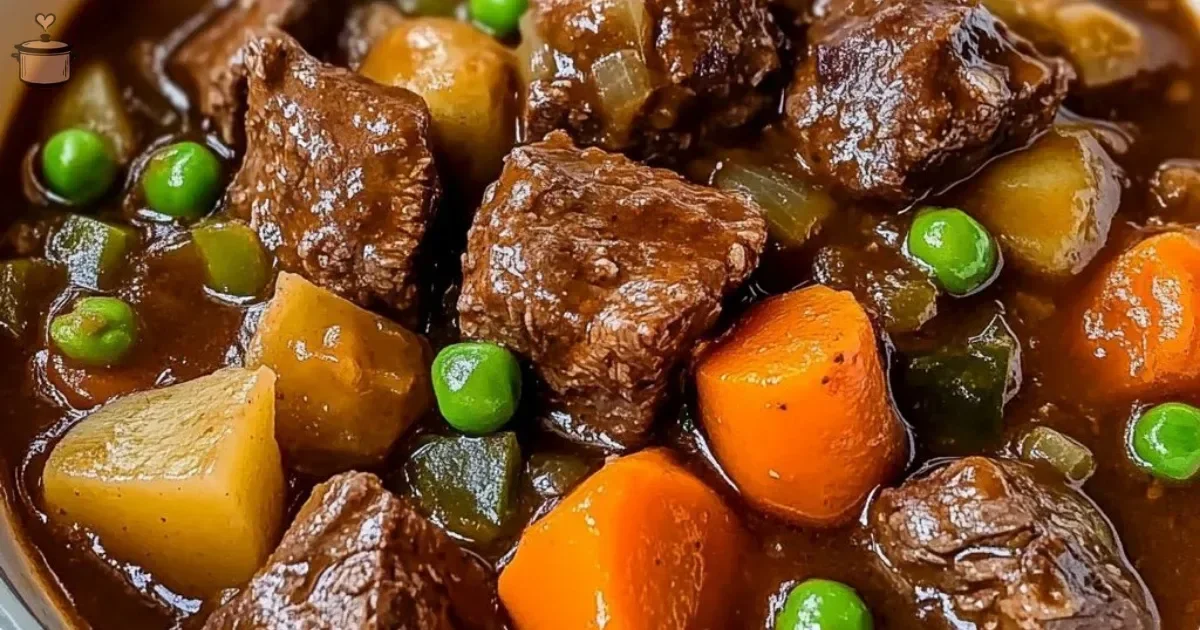
When the slow cooker clicks on in the morning, it feels like someone put a warm, patient friend on the stove. I can straighten the living room, referee the last-minute sock war, and still have my hands free to sip that much-needed coffee. The smell of Slow Cooker Beef Stew wafts through the house by late afternoon, and somehow the kids know dinner means permission to negotiate bedtime.
If you need a recipe that brings comfort, covers the chaos, and forgives the occasional burnt toast, this is it. For more ideas that pair well with this kind of hearty meal, you might like my roundup of beef and pork recipes that save the day when the week gets long.
Why Slow Cooker Beef Stew Deserves a Spot on Your Weeknight Menu
This stew is the kind of dish that smells like home and tastes like forgiveness. It cooks while you live your life. You can drop everything into the slow cooker before the school run, go harvest the garlic if you have a garden, and return to a house that smells like dinner and safety.
It’s comfort food with practical charm. Tender beef, velvet carrots, and potatoes that soak up broth make mouths happy and kitchens quieter. When the day is long and patience is short, this recipe shows up and does the heavy lifting. It is less showy than a restaurant plate and more honest than a fancy frozen meal. It feeds the belly and the soul.
My neighbor Martha taught me that slow cooker meals are not only dinner. They are trade currency. Bring a hot pot to a friend after a new baby arrives and watch friendships knit tighter. This stew has been to soccer practice sign-ups, to sick-bed vigils, and to the occasional potluck where it mysteriously disappears first.
For day-to-day practicality, this is also a small miracle. You can set it and forget it. You can tweak flavors all afternoon and still arrive at dinner on time. If you want more recipes to rotate along with this one, check out this helpful collection of beef and pork recipes that work well for busy families.
How to Make Slow Cooker Beef Stew
“When the slow cooker’s humming and the kids are (mostly) quiet, you know it’s going to be a good dinner.”
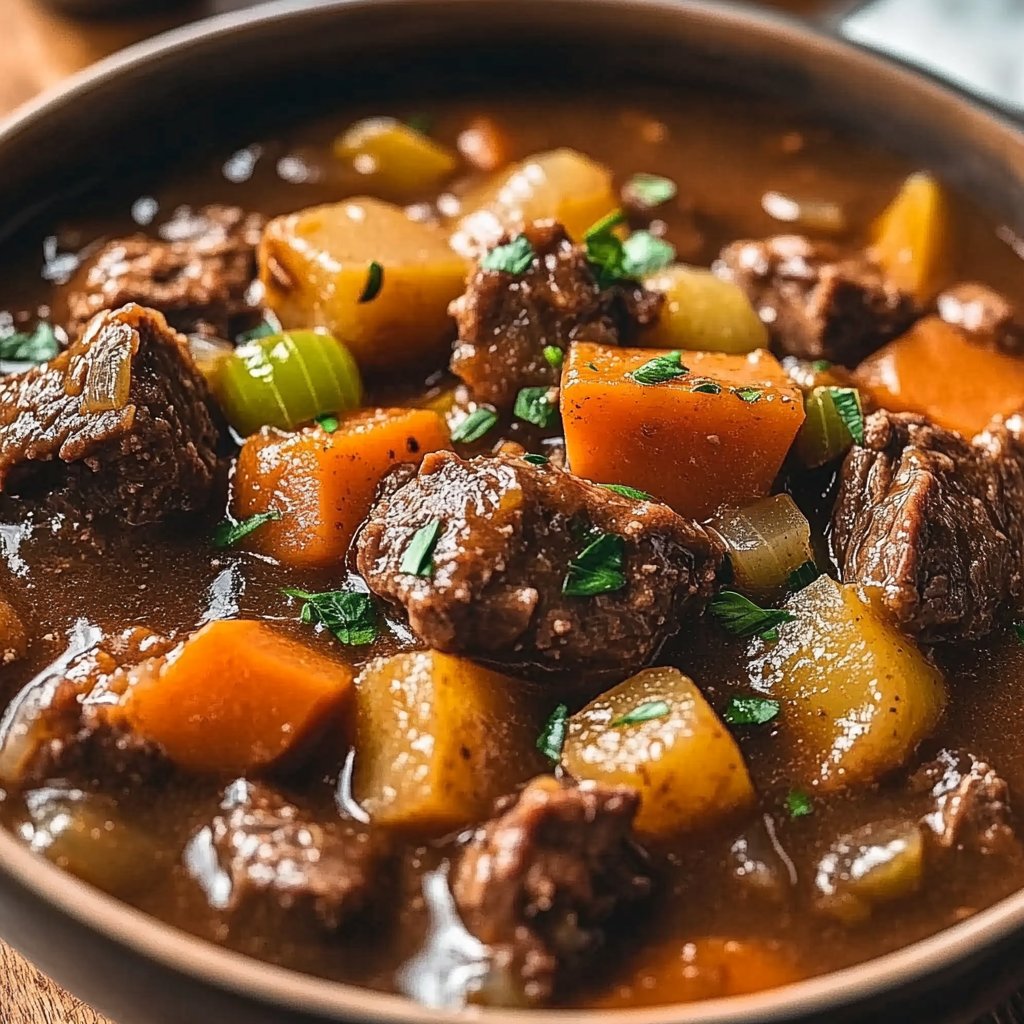
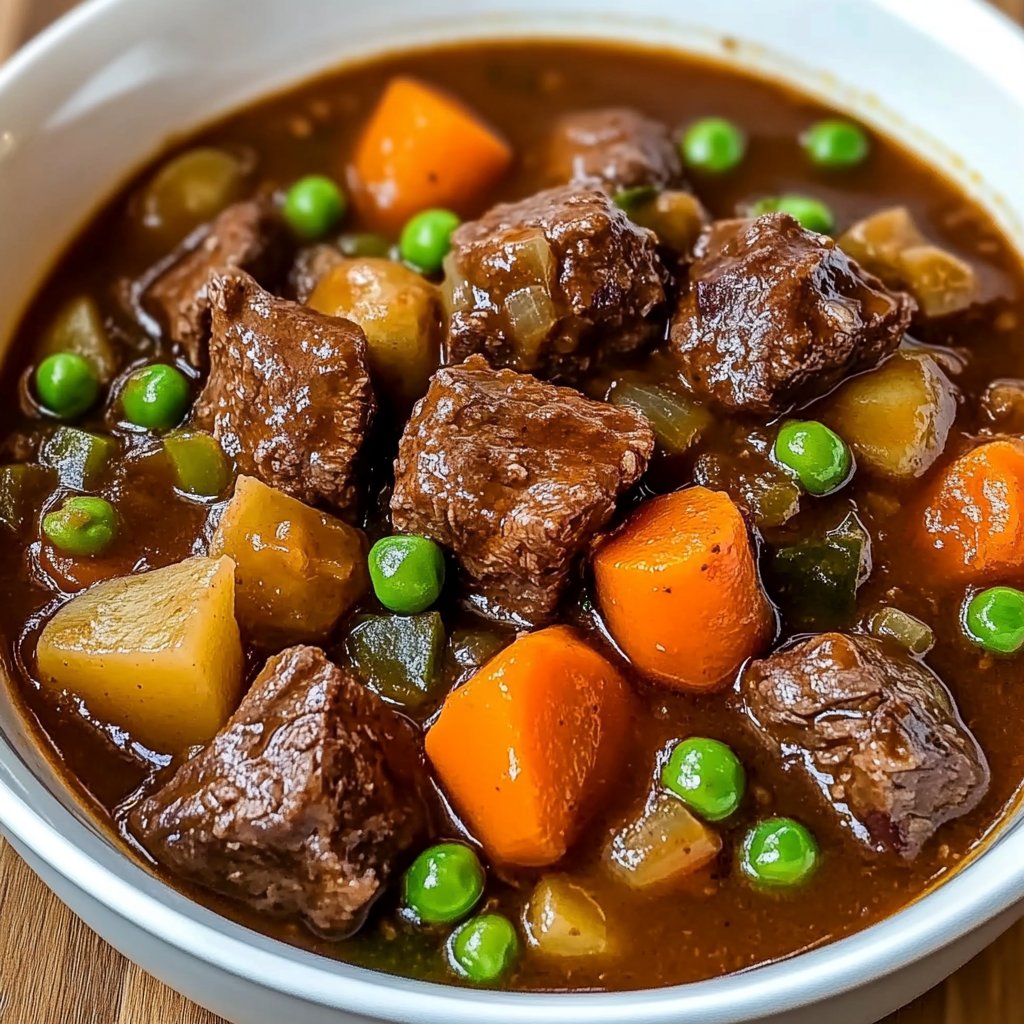
Before we jump into the step-by-step, imagine the colors and textures. Deep brown beef, orange crescents of carrot, and cubes of pale, buttery Yukon Gold potatoes swimming in glossy broth. The smell is tomato, garlic, and slow-roasted beef. The texture is fork-tender meat and soft but not mushy vegetables. It feels like a hug in a bowl.
This recipe is forgiving. If you chop things a bit large, that is fine. If you forget to sear the beef, it will still taste good, but searing adds a deeper flavor. If you need to skip the Worcestershire because the pantry is empty, a splash of soy sauce substitutes in a pinch. For more flavors that pair well with slow-cooked meats, you might glance back at these practical beef and pork recipes for ideas.
Now, gather the ingredients and take a breath. Cooking a slow cooker comfort meal is part planning, part trust.
What You’ll Need to Make Slow Cooker Beef Stew (and What You Might Forget)
- 2 lbs beef chuck roast, cut into 1-inch cubes
- 4 medium carrots, sliced
- 3 medium Yukon Gold potatoes, diced
- 1 medium yellow onion, chopped
- 4 cloves garlic, minced
- 4 cups low-sodium beef broth
- 2 tbsp tomato paste
- 1 tsp dried thyme
- 1 bay leaf
- Salt and pepper to taste
- 2 tsp Worcestershire sauce
Note: If you accidentally buy salted butter, no judgment it still works. Also, you can swap Yukon Gold for russets in a pinch, but the texture will change. I include an internal link to share where I stash other classic family-saver recipes, so if you’re building a collection, you’ll find plenty of comfort-food inspiration at family-friendly beef and pork recipes.
A couple of pantry notes: low-sodium broth lets you control salt better. Tomato paste is a flavor booster; a spoonful mellows and deepens the stew. If you like a little more herb, fresh thyme can go in during the last hour, but dried works perfectly for an all-day braise.
Step-by-Step Directions
- In a skillet over medium-high heat, sear the beef until browned on all sides for about 5 minutes.
- Brown the meat in batches so it doesn’t steam.
- Use a hot skillet and a splash of oil. Don’t fuss; the goal is color and flavor, not perfect char.
- If you forget this step, the stew will still be comforting, but searing adds a richer, deeper taste.
- Transfer the seared beef to a slow cooker along with carrots, potatoes, onion, garlic, broth, tomato paste, thyme, bay leaf, Worcestershire sauce, salt, and pepper.
- Scrape the browned bits from the skillet into the slow cooker for extra flavor.
- Stir to distribute the tomato paste and seasonings evenly.
- If your slow cooker is crowded, that is okay; ingredients will settle as they cook.
- Stir well to combine and cover the slow cooker.
- Make sure the lid sits snug so the stew doesn’t lose heat.
- Once the cooker is covered, avoid lifting the lid multiple times. Each peek wastes heat and adds time.
- Cook on low for 8 hours or high for 4 hours until the beef is tender.
- The low-and-slow method gives the best texture. The high setting is fine if you’re in a hurry, but low is forgiving.
- You will know the beef is ready when it shreds easily with a fork.
- Don’t panic if it looks too thin; it thickens later or with a simple slurry.
- Taste before serving; adjust seasoning as needed.
- Add a pinch more salt, a splash of Worcestershire, or a grind of pepper to brighten it up.
- Remove the bay leaf before serving. If you want a thicker stew, stir in a cornstarch slurry or cook uncovered for 15 minutes on high.
- For a final farmhouse flourish, top with chopped parsley or a little butter for sheen.
A few practical asides from my own kitchen: if the stew seems watery at first, it often reduces as it rests. I sometimes ladle a cup of broth into a small pan and simmer it down to concentrate flavor, then add it back. Also, if you plan to thicken the stew, mix 1 tablespoon cornstarch with 2 tablespoons cold water, stir until smooth, then add to the slow cooker and cook on high for 15 minutes.
For folks who love a one-pot finish, brown the beef and vegetables in the same skillet before dumping them into the slow cooker. That saves dishes and layers flavor. I have a habit of cleaning up little as I go because the last thing a busy mom needs is a sink full of pots when the kids are asking for seconds.
Bringing Slow Cooker Beef Stew to the Table
There is a particular domestic triumph the first time you lift the slow cooker lid and the house fills with that rich, winding smell. The steam paints your kitchen window, and the table seems to set itself. Kids wander in, drawn by the aroma, and suddenly you have a tiny audience. This moment feels like the reward for a day well navigated.
Set the table simply. A loaf of crusty bread, a dollop of butter, and a small bowl of pickles will elevate the stew without pretending it is anything else but honest food. Serve it in deep bowls so the broth stays warm and everyone can have seconds without asking.
Pairings I love: buttered rustic bread, a simple green salad with a sharp vinaigrette, or roasted Brussels sprouts for an earthy contrast. If you want to make it a full family dinner, a pot of plain white rice makes it stretch farther. For weekday dinners, keep things easy and let the stew shine.
Saving Slow Cooker Beef Stew for Tomorrow
Leftovers are my favorite kind of magic. This stew turns into a whole new song on day two. The flavors marry, the meat gets silkier, and reheating becomes a ritual of comfort.
To store:
- Cool the stew to near room temperature before refrigerating. Do not leave it out more than two hours.
- Transfer to an airtight container and refrigerate for up to four days.
- For longer storage, freeze in meal-sized containers for up to three months. I like to freeze in portions so reheating is quick and waste-free.
To reheat:
- Reheat gently on the stovetop over medium-low heat, stirring occasionally.
- Add a splash of broth or water if it looks too thick.
- If reheating from frozen, thaw in the fridge overnight first. Alternatively, warm it in the slow cooker on low until heated through.
Small note about texture: potatoes will soften further after refrigerating. If you prefer firmer potatoes, store the cooked stew without potatoes, and add freshly boiled diced potatoes when reheating. I learned this the hard way when a batch I froze turned into mashed-potato-like clouds. It still tasted like home, but I now plan ahead.
Ellie’s Slow-Living Tips: Little Kitchen Secrets From a Busy Farmhouse
- Use the right cut of beef.
- Beef chuck is cheap and perfect for slow cooking. It has enough fat to become tender and flavorful.
- Avoid lean cuts like round roast unless you enjoy chewy meat. Slow cooking loves a little fat.
- Brown, but don’t stress.
- Searing is a flavor boost. If mornings are chaotic, sear the meat the night before and refrigerate it. Then toss it in the slow cooker in the morning.
- Use the same pan to sauté onions and garlic for an extra layer of taste.
- Make it your own with simple swaps.
- Swap potatoes for parsnips for a sweeter note. Add mushrooms 30 minutes before serving for earthiness.
- For gluten-free thickening, use arrowroot or cornstarch mixes. For a richer mouthfeel, add a pat of butter at the end.
- Time savers that feel fancy.
- Chop vegetables the evening before and store them in a sealed container in the fridge.
- Use pre-minced garlic in emergencies. It won’t be as bright, but it will get the job done.
- Flavor boosters to keep on hand.
- Dried thyme, bay leaves, and tomato paste are little jars of magic in my pantry.
- A dash of balsamic vinegar at the end can liven up the broth without stealing attention.
If you want more weeknight-friendly ideas like these, I’ve collected a few that mix simplicity with farmhouse flavor at time-saving beef and pork recipes.
Family Twists on Slow Cooker Beef Stew
My cousins in Louisiana add a splash of hot sauce for a peppery kick. My grandmother, who lived in the Midwest, liked to add a little cream at the very end for a silkier broth. My neighbor puts in a handful of pearl onions for sweetness, and my sister likes to toss in a cup of frozen peas in the last 15 minutes for color and quick sweetness.
Here are a few variations to try:
- French-style: Add a cup of red wine to the broth and finish with chopped fresh parsley.
- Irish twist: Incorporate Guinness instead of part of the beef broth for a malty depth.
- Hearty stew for the crowd: Add a few extra potatoes and a pound of oxtail for richness.
- Vegetarian swap: Replace beef with hearty mushrooms and vegetable broth, and cook on low for 6 hours.
Small things make a big difference. A spoonful of mustard, a splash of soy, or a sprinkle of smoked paprika can nudge the stew in a different direction. Don’t be afraid to experiment. My experimentations have included accidentally adding a bit of cinnamon once, which, oddly enough, made everyone ask for seconds. That was the kind of mistake that turned into tradition.
For inspiration that steers toward different meaty comforts, I often revisit curated recipes like these tried-and-true family favorites.
FAQs About Slow Cooker Beef Stew
Can I double this recipe for a crowd?
Yes, but make sure your slow cooker’s big enough. I once tried it in a smaller one, and let’s just say dinner was delayed while I found a very patient neighbor and an extra pot.
Can I use frozen beef?
It is safer to thaw beef first. Cooking from frozen can keep the meat in the danger zone for too long. Thaw overnight in the fridge or use cold water to speed things up.
How do I thicken the stew without lumps?
Make a slurry of cornstarch and cold water, whisk until smooth, and stir into the stew near the end. Cook on high for 10-15 minutes. Alternatively, mash a few potatoes in the pot to thicken naturally.
My vegetables are overcooked. How can I prevent that?
Cut vegetables into larger chunks and add delicate items like peas or green beans during the last 20-30 minutes. Root vegetables like carrots and potatoes get tender at different rates, so adjust by size.
Can I leave the slow cooker on when I’m not home?
Most modern slow cookers are safe for unattended use. Follow the manufacturer’s instructions. For long trips, use a timer or delay-start feature if your model has one.
A Final Thought
There is a simple joy to putting ingredients into a pot and letting time do its work. Slow Cooker Beef Stew is more than dinner. It is patience rewarded. It is those small domestic victories that make families laugh around the table and pass plates until the bowls are bare.
Even on nights when the kitchen is chaotic and someone forgets to set the table, the stew will be there, steady and warm. It holds stories: the time we tried to double it and ran out of crockery, the winter of broken snow boots, the summer guests who insisted on thirds. It stands ready to soothe a cold throat and to celebrate a small triumph.
If you want more meal ideas to rotate into your weeknight routine or to build around this stew, take a peek at some other comforting dishes like those featured in my list of go-to beef and pork recipes. They make it easier to plan, cook, and laugh through the evenings.
Conclusion
If you want a cozy reference from another home cook, this version of Slow Cooker Beef Stew – The Cozy Cook has lovely notes and variations worth checking out. For a classic, well-tested approach you can compare with your first batch, try this Easy Slow Cooker Beef Stew Recipe, which offers straightforward tips and timing that pair nicely with the farmhouse tricks above.
Until the next slow day, may your kitchen smell like comfort and your stew taste like Sunday, even on a Wednesday.
Print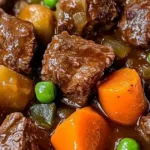
Slow Cooker Beef Stew
- Total Time: 255 minutes
- Yield: 6 servings 1x
- Diet: None
Description
A comforting slow cooker beef stew featuring tender beef, carrots, and potatoes that cooks while you go about your day.
Ingredients
- 2 lbs beef chuck roast, cut into 1-inch cubes
- 4 medium carrots, sliced
- 3 medium Yukon Gold potatoes, diced
- 1 medium yellow onion, chopped
- 4 cloves garlic, minced
- 4 cups low-sodium beef broth
- 2 tbsp tomato paste
- 1 tsp dried thyme
- 1 bay leaf
- Salt and pepper to taste
- 2 tsp Worcestershire sauce
Instructions
- In a skillet over medium-high heat, sear the beef until browned on all sides for about 5 minutes.
- Transfer the seared beef to a slow cooker along with carrots, potatoes, onion, garlic, broth, tomato paste, thyme, bay leaf, Worcestershire sauce, salt, and pepper.
- Stir well to combine and cover the slow cooker.
- Cook on low for 8 hours or high for 4 hours until the beef is tender.
- Taste before serving; adjust seasoning as needed. Remove the bay leaf before serving.
Notes
If you want a thicker stew, stir in a cornstarch slurry or cook uncovered for 15 minutes on high. Leftovers develop flavor and can be refrigerated for up to four days or frozen for up to three months.
- Prep Time: 15 minutes
- Cook Time: 240 minutes
- Category: Main Course
- Method: Slow Cooking
- Cuisine: American
Nutrition
- Serving Size: 1 serving
- Calories: 450
- Sugar: 5g
- Sodium: 600mg
- Fat: 14g
- Saturated Fat: 5g
- Unsaturated Fat: 7g
- Trans Fat: 0g
- Carbohydrates: 45g
- Fiber: 5g
- Protein: 30g
- Cholesterol: 80mg