

A warm loaf cooling on the counter, lemon and orange lifting into the air, a wooden spoon resting in a speckled bowl. That is the memory I think of when I say Citrus Loaf Cake. It is the cake my Nonna might have made on a slow Sunday, the cake we cut into thin slices for a late afternoon espresso, the cake that left a soft crescent of crumbs on your plate and a smile on your face. This homemade cake is both simple and full of small comforts.
Why Citrus Loaf Cake Still Belongs at the Table
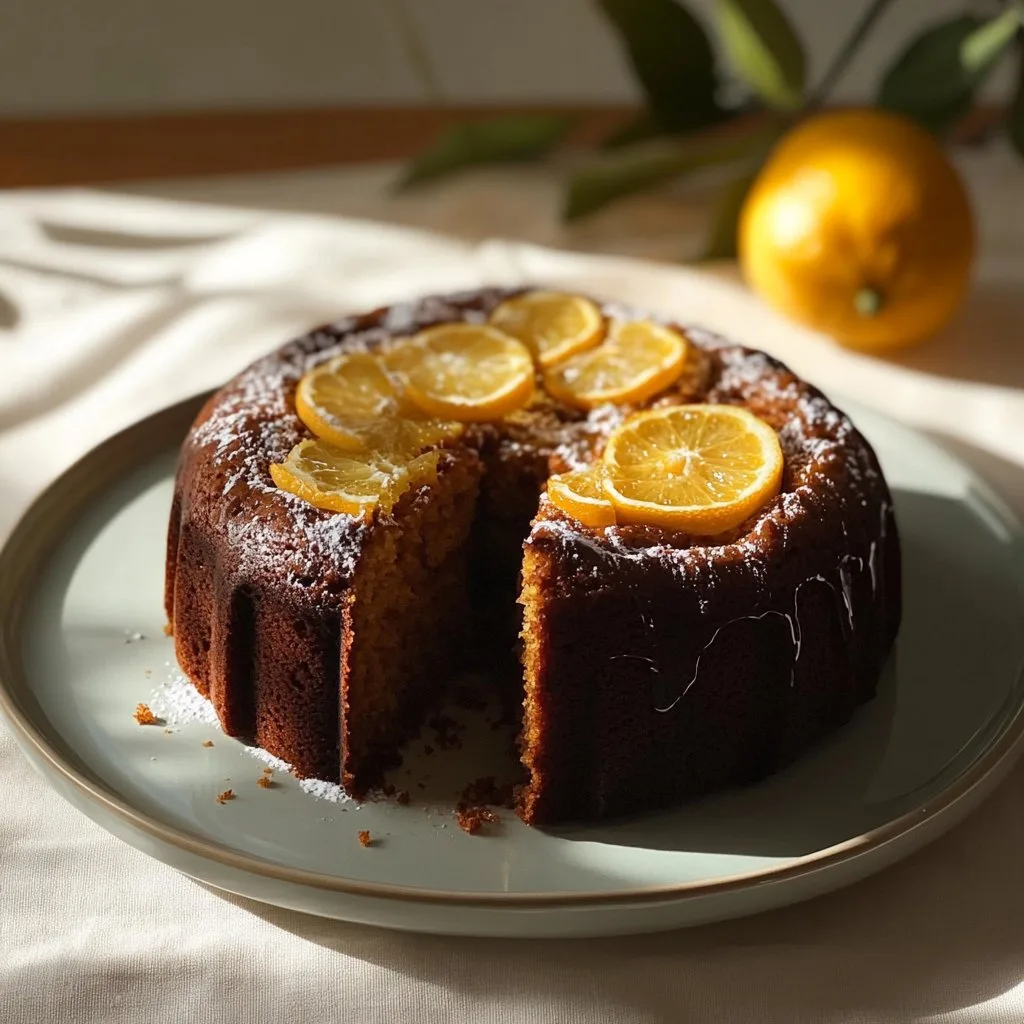
There are recipes that pass through generations because they do more than feed us. They gather us. In Italian-American homes, desserts like this one carry brightness and familiarity. Citrus gives a lightness that pairs so well with coffee and with conversation. Meanwhile, the loaf shape feels homey and modest, something you can set in the middle of a wooden table and slice for everyone.
This is an easy Italian desserts kind of recipe, but it also stands among celebration desserts when you need something unpretentious and true. I think of birthdays that did not shout but hummed, little Sunday dinners where the talk lasted long after plates were cleared. The Citrus Loaf Cake fits those scenes because it is comfort and cheer in one slice.
This cake also nods to other Italian dessert recipes and takes a hint from things like cannoli style cake fillings or a tender bundt cake crumb. It is plain in a good way, so you can dress it with a glaze or keep it simple and honest. From there, flavors settle and the cake asks for a second cup of coffee and another small slice.
The Gentle Rhythm Behind Citrus Loaf Cake
“Every dessert like this carries a memory, whether you realize it or not.”
Before we start, take a breath and imagine the small comforts: the mixer humming softly, the citrus oils releasing fragrant sparks as you zest the fruit. The work is gentle. You will cream, fold, and spoon. The aromas will change as sugar and butter come together, then again when the oven warms the batter.
This batter moves from fluffy to steady. The texture when you pour it into the pan should feel like a promise. Once cooled, every forkful will show you why simple ingredients, mixed with care, become memorable desserts.
What You’ll Need to Make Citrus Loaf Cake
1 1/2 cups all-purpose flour
1 cup granulated sugar
1/2 cup unsalted butter, softened
2 large eggs
1/2 cup milk
Zest of 1 lemon
Zest of 1 orange
1 1/2 teaspoons baking powder
1/2 teaspoon salt
1 teaspoon vanilla extract
Notes on ingredients: I use whole milk most often because it gives a softer crumb. If you have real butter, use it; the flavor matters in simple cakes. For the citrus, grate only the colorful part of the peel. Avoid the white pith or the cake can taste bitter. If you prefer a slightly denser loaf, you can swap half the milk for room-temperature yogurt to lend moisture and that tender crumb akin to some winter citrus yogurt loaf cake profiles.
Bringing Citrus Loaf Cake Together With Care
Gather everything before you begin. Preheat, measure, and keep the zest handy. From there, creaming becomes a quiet, steady task. The order matters because each step builds structure and gives the cake its gentle lift.
This recipe is also forgiving, the kind of homemade cake you can make on a weekday and still feel proud of. If you are trying to get comfortable with baking, this is a warm first step. It teaches you to read texture and smell rather than panic over perfection.
Step-by-Step Directions
- Preheat the oven to 350°F (175°C). Grease and flour a loaf pan.
Set the pan on a cooling rack and let the oven come fully to temperature.
A properly preheated oven gives even rise and golden edges. - In a bowl, cream together the butter and sugar until light and fluffy.
Beat with a hand mixer or stand mixer for a few minutes, watching the mixture pale.
The sugar will cut into the butter and the texture will look fluffier and soft. - Beat in the eggs one at a time, then stir in the vanilla extract and milk.
Add each egg and mix until the batter looks smooth and glossy.
The batter will loosen slightly when you pour in the milk and vanilla. - In another bowl, whisk together the flour, baking powder, and salt. Gradually add the dry ingredients to the wet ingredients until just combined.
Use a spatula or low mixer setting and stop when you see no streaks of flour.
Overmixing tightens the crumb; gentle folding keeps it tender. - Fold in the citrus zest.
Sprinkle in the lemon and orange zest and fold until evenly distributed.
The batter should smell bright and fresh with citrus oils. - Pour the batter into the prepared loaf pan and smooth the top.
Tap the pan lightly on the counter to settle the batter and release large air bubbles.
The top should be even, with a little room for a soft dome as it rises. - Bake for 50-60 minutes or until a toothpick inserted comes out clean.
Watch for edges pulling away and a golden top.
If the top browns too quickly, cover with foil and continue baking. - Allow to cool in the pan for 10 minutes before transferring to a wire rack to cool completely.
Once cooled, the crumb will set and slicing will be easier.
Waiting a little lets the flavors calm and become more pronounced.
Bringing Citrus Loaf Cake to the Table
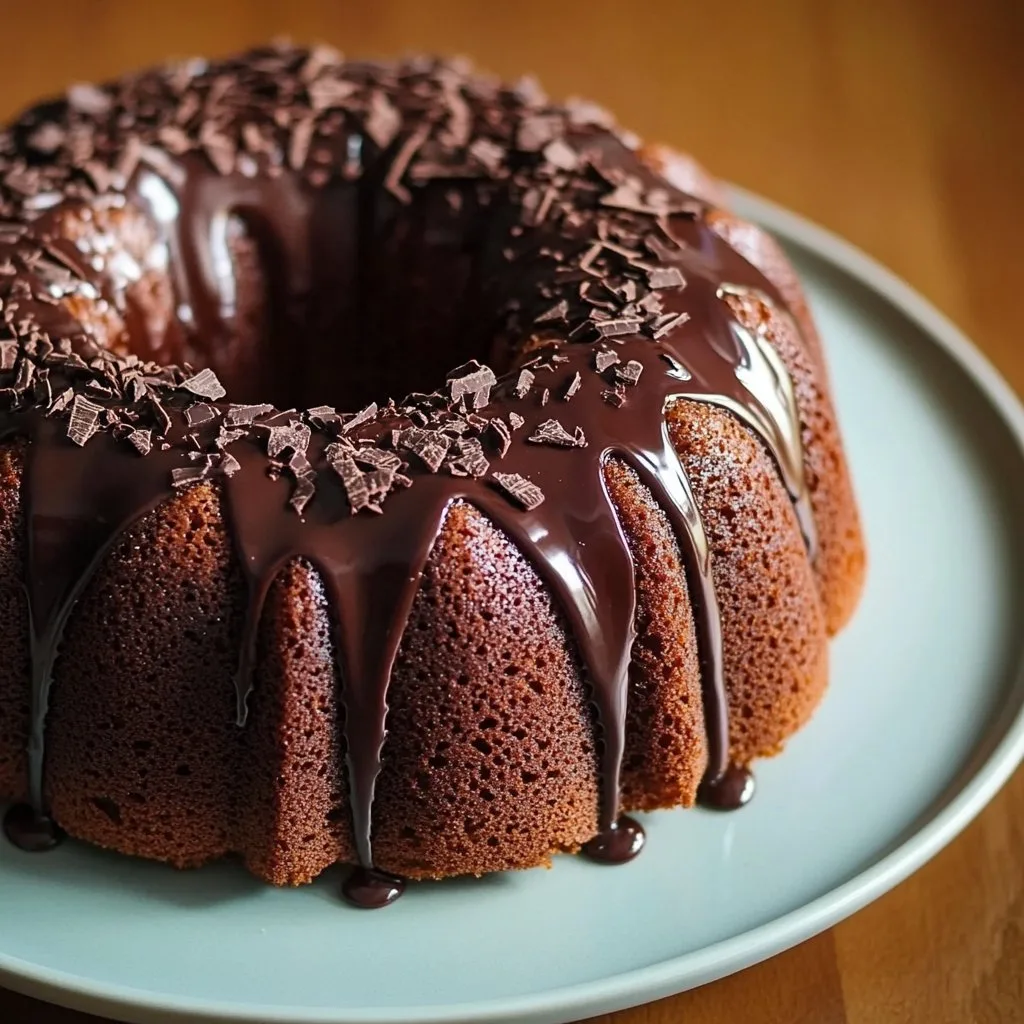
Slicing into this cake is a small ceremony. The knife will glide through a tender crumb that smells of lemon and orange. I like to cut thin slices at first, offering them with a pot of strong coffee or a small espresso. Meanwhile, children will likely drift toward the counter where crumbs gather, and there will be warm talk and slow eating.
A light dusting of powdered sugar or a simple glaze brightens the surface without hiding the loaf’s character. If you want to dress it more like a celebration desserts center, pipe a little whipped ricotta on the side or lay thin slices of candied citrus atop each piece. But for most afternoons, plain is perfect.
This is also a cannoli style cake companion in my mind. Serve alongside a small bowl of sweetened ricotta if you want a creamy contrast, or pair with a nutty biscotti for a crunchy counterpart.
How to Store Citrus Loaf Cake
Leftover cake will stay soft if you wrap it well. Place the sliced or whole loaf in an airtight container or wrap tightly with plastic wrap to keep the crumb from drying. Keep at room temperature for up to 48 hours.
For longer storage, refrigerate up to five days. If chilled, bring slices to room temperature before serving so the butter mellows and the flavors open. You can also freeze for up to three months. Wrap the loaf in plastic, then in foil for best results. Thaw in the refrigerator overnight and then rest at room temperature.
Flavors often deepen the day after baking. If you make the cake a day ahead, the citrus notes settle into the crumb and create a softer, more rounded experience. This is why I sometimes make a batch on a Friday for a Sunday gathering.
Little Baking Lessons I’ve Learned
- Use room-temperature eggs and milk.
Cold ingredients can make the batter seize and impact rise.
When ingredients are even in temperature, they marry better. - Don’t overwork the batter.
Mix until the ingredients are just combined.
A tender crumb comes from gentle folding, not forceful beating. - Know your oven.
Ovens vary. I check the cake at 45 minutes and then every 5 minutes after.
If the top browns too fast, tent with foil to allow the inside to finish. - Choose your pan with thought.
A metal loaf pan gives sharper edges and a more defined crust.
A glass pan heats more slowly and can give a softer, more even brown. - Trust the senses.
Smell for citrus brightness, look for a golden top, and press the center lightly to feel bounce.
These cues tell you more than the clock alone.
Family Twists on Citrus Loaf Cake
Every kitchen has its twist. In my family, we keep a few always-ready options that change this cake in lovely ways.
- Chocolate chips. Fold in a half cup of mini chocolate chips for a mellow, familiar contrast.
The chips sink a little and create pockets of sweet richness. - Almond glaze. Whisk powdered sugar with almond extract and a splash of milk.
Drizzle thinly to keep the citrus scent alive with a nutty note. - Ricotta addition. Stir in a half cup of whole-milk ricotta to the batter for a denser, moister loaf that nods to ricotta-based Italian desserts.
This gives a slightly richer texture closer to some cannoli style cake creams. - Poppy seeds and olive oil. Swap half the butter for olive oil and add a tablespoon of poppy seeds.
This brings a Mediterranean twist inspired by lighter citrus poppy recipes like some Citrus Poppy Olive Oil Loaf versions. - Simple sugar syrup. Once cooled, poke a few holes in the cake and brush a simple citrus syrup over the top.
It keeps the cake moist and gives an extra burst of flavor.
Each variation keeps the heart of the cake but lets you match the mood of the occasion. For family birthdays, we sometimes add a thin layer of mascarpone spread across the top and scatter candied peel for sparkle.
FAQs About Citrus Loaf Cake
Can I make this ahead of time?
Yes. Desserts like this are patient. In fact, the flavor often settles and deepens overnight. I sometimes make the cake a day or two before serving and store it wrapped at room temperature.
Can I use olive oil instead of butter?
You can, but the texture will change. Olive oil gives a looser crumb and a different mouthfeel. If you try it, use a mild-flavored oil and reduce the oil amount slightly. Consider adding poppy seeds for balance.
My cake browned too fast on top. What should I do next time?
Cover it loosely with foil when it has reached a golden color and continue baking until the center tests clean. Also check if your oven runs hot with an oven thermometer and lower the temperature by 25 degrees if needed.
How can I make it more moist?
Add a half cup of ricotta or a tablespoon of syrup brushed on after baking. Also avoid overbaking. Pulling the cake out when a toothpick comes out with a few moist crumbs ensures tenderness.
Is this recipe suitable for a celebration desserts table?
Absolutely. Keep the loaf whole for a casual table or dress slices with glaze and candied peel for a more formal look. It pairs beautifully with espresso and other small sweets.
A Final Sweet Note
This Citrus Loaf Cake is a small ritual. It asks for patience while it cools, for a slow pour of coffee, for a quiet moment to enjoy the bright citrus and buttery crumb. Many Italian dessert recipes carry the weight of big celebrations, but gentler cakes like this carry the weight of ordinary love.
When you make this cake, think of the hands who have mixed and folded before you, think of the slow afternoons you want to create. Share it with neighbors, with family, or keep a few slices tucked away for a late-night treat. The aroma alone will feel like a memory being made.
Conclusion
If you enjoy exploring similar recipes that celebrate winter citrus and humble technique, you might like this take on a winter citrus yogurt loaf cake which leans into bright fruit and tender texture like our loaf. For another elegant riff with citrus, seeds, and oil, consider this Citrus Poppy Olive Oil Loaf | EyeSwoon as a source of inspiration and technique.
Print
Citrus Loaf Cake
- Total Time: 75 minutes
- Yield: 8 servings 1x
- Diet: Vegetarian
Description
A simple and comforting citrus loaf cake, perfect for afternoon coffee or family gatherings.
Ingredients
- 1 1/2 cups all-purpose flour
- 1 cup granulated sugar
- 1/2 cup unsalted butter, softened
- 2 large eggs
- 1/2 cup milk (whole recommended)
- Zest of 1 lemon
- Zest of 1 orange
- 1 1/2 teaspoons baking powder
- 1/2 teaspoon salt
- 1 teaspoon vanilla extract
Instructions
- Preheat the oven to 350°F (175°C). Grease and flour a loaf pan.
- Cream together the butter and sugar until light and fluffy.
- Beat in the eggs one at a time, then stir in the vanilla extract and milk.
- In another bowl, whisk together the flour, baking powder, and salt. Gradually add the dry ingredients to the wet ingredients until just combined.
- Fold in the citrus zest.
- Pour the batter into the prepared loaf pan and smooth the top.
- Bake for 50-60 minutes or until a toothpick inserted comes out clean.
- Allow to cool in the pan for 10 minutes before transferring to a wire rack to cool completely.
Notes
This cake can be dressed with a glaze or served plain. It stays soft if wrapped well and can be refrigerated or frozen for longer storage.
- Prep Time: 15 minutes
- Cook Time: 60 minutes
- Category: Dessert
- Method: Baking
- Cuisine: Italian
Nutrition
- Serving Size: 1 slice
- Calories: 320
- Sugar: 16g
- Sodium: 200mg
- Fat: 12g
- Saturated Fat: 7g
- Unsaturated Fat: 4g
- Trans Fat: 0g
- Carbohydrates: 44g
- Fiber: 1g
- Protein: 6g
- Cholesterol: 55mg
Let’s Get Cozy in the Kitchen!
Hey y’all if slow-cooked comfort food makes your heart happy, you’re in the right place. 💛 Follow Crock Cozy on Pinterest for hearty casseroles, tender roasts, and weeknight dinners that taste like home.
Follow Crock Cozy