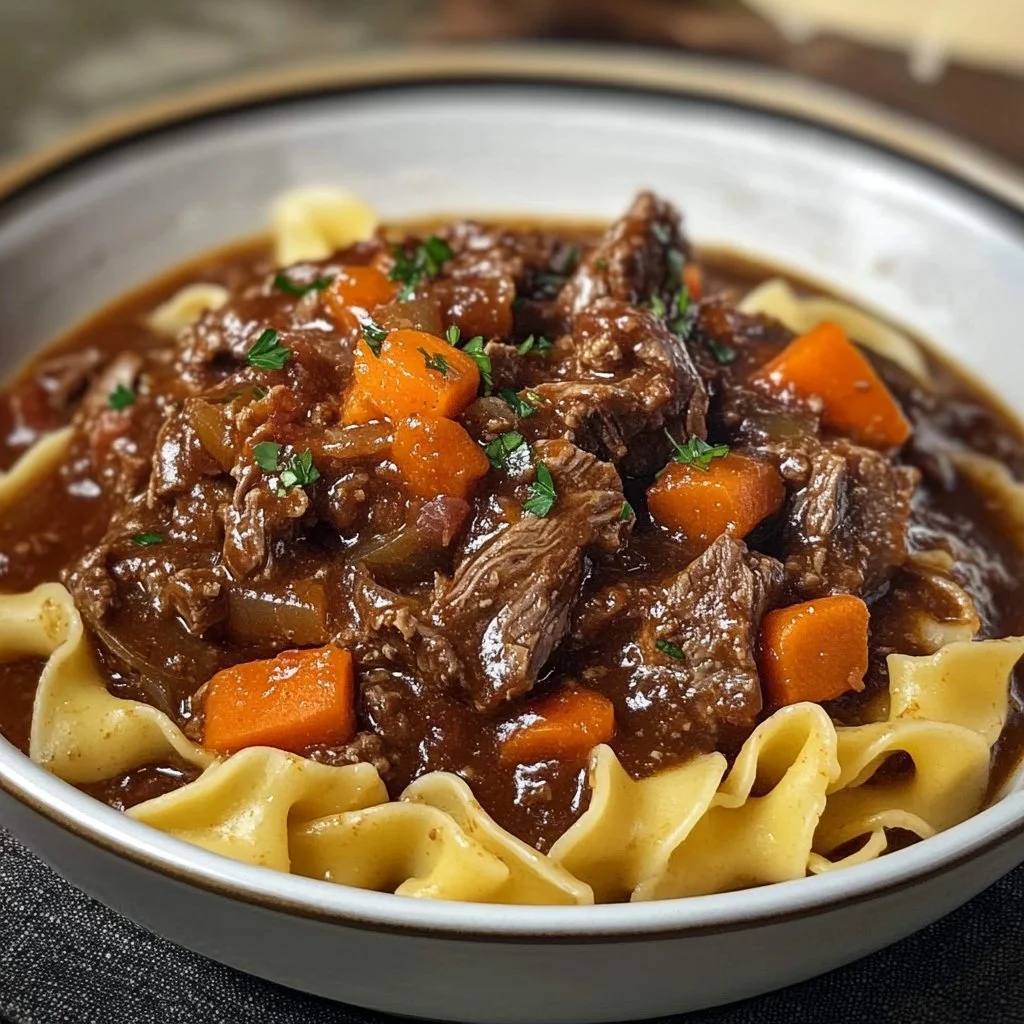
There was a winter afternoon when the light came low through the kitchen window and the house filled with a smell you could find on any Sunday in my childhood. Italian Beef Ragu bubbled gently on the stove, the tomatoes softening and the beef pulling apart when I nudged it with a spoon. My hands remembered the rhythm of stirring and tasting. Children chased one another through the yard, and my grandmother sat at the table darning a sock while she hummed an old hymn. That scent of simmering meat, wine, and garlic felt like a promise that everyone would find their way back to the table. It is that promise I want you to taste in this Italian Beef Ragu, and if you love homestyle comfort, you may like to explore more of my favorite beef and pork recipes that bring warmth on cold nights.
Why Italian Beef Ragu Still Feels Like Home
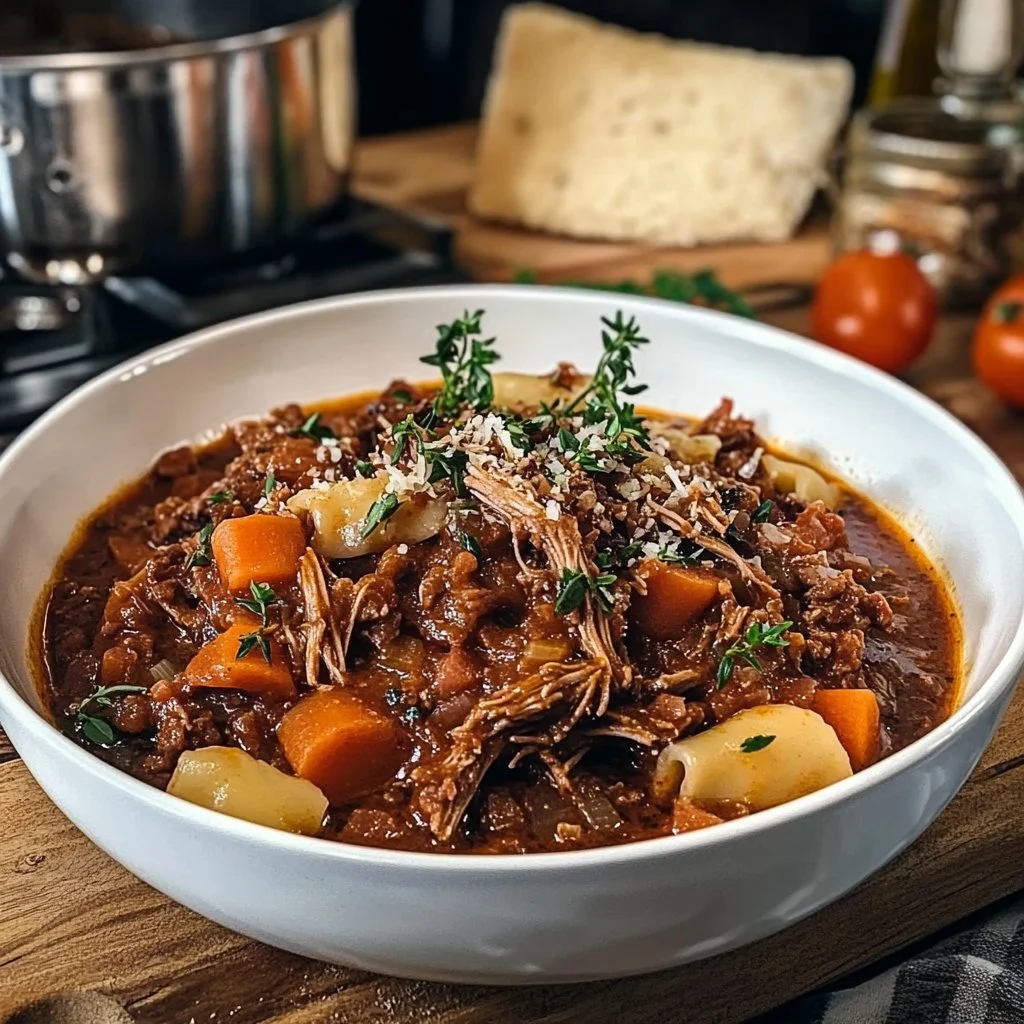
When I say Italian Beef Ragu, I do not mean something stiff or formal. I mean slow, steady cooking that brings out a deep, honest flavor. This dish has roots in Italian peasant kitchens and found its way into Southern hearts because it does what good Southern food must do. It feeds, it comforts, and it gathers people close.
My mother learned to stretch a little meat into a feast, and my grandmother taught her to coax richness from humble ingredients. In our house, ragu was not just dinner. It was an act of care. We would ladle it over a bowl of pasta, pass the bread, and settle into a quiet that felt like belonging. Even now, when the stew pot hums, I feel held. The slow cooking makes the beef tender, the tomatoes sing with garlic and herbs, and the sauce thicken into something almost like velvet. Meanwhile, the house fills with those notes of warmth that make people drop whatever they are doing and come home.
For kitchens that like to plan ahead, or for cooks who adore the slow-cooker method, this ragu adapts beautifully. It can take a long, gentle time in a crock pot or sit on the low flame of a heavy Dutch oven until the meat loosens into silky shreds. For more ideas that fit this kind of slow, family-focused cooking, you might enjoy browsing other hearty dishes in my collection of beef and pork recipes.
The Slow-Cooked Story of Italian Beef Ragu
“Every time this pot simmers, it feels like my mama’s kitchen all over again.”
This small tale belongs on the stove. Before we dive into the list of ingredients, let me tell you briefly what to expect when you cook this ragu. The smell will rise first: wine and garlic, then tomatoes, then that deep, savory note of beef. Texture follows in time. The beef begins with a firm edge, browns, and then softens until it falls apart. The sauce starts bright and thin, and as you slow-cook, it thickens, clings to pasta, and tastes like comfort wrapped in a warm towel.
You will need patience more than skill. You will need a heavy pot or a slow cooker, a wooden spoon, and a steady heart. Once you brown the meat and coax flavor from the vegetables, the pot does the rest. In about two to three hours on the stove, or six to eight hours in a slow cooker, you will have made something that holds stories.
If you often gather your family around a slow cooker or crock pot, this ragu is kindred to that approach. The slow, gentle heat does the same magic my grandmother trusted turning the ordinary into something soulful. For more slow-simmering ideas that suit quiet afternoons, take a look at similar comforting recipes in the beef and pork recipes collection.
Gathering the Ingredients
What you’ll need to make Italian Beef Ragu. Each ingredient is listed plainly so you can gather them with ease.
2 lbs beef chuck, cut into chunks
1 onion, chopped
2 carrots, diced
2 celery stalks, diced
4 cloves garlic, minced
1 can (28 oz) crushed tomatoes
1 cup red wine
1 cup beef broth
2 tablespoons tomato paste
2 teaspoons dried oregano
1 teaspoon dried basil
Salt and pepper to taste
Olive oil for cooking
Fresh parsley for garnish
Parmesan cheese for serving
Small notes on a few items: use a well-marbled beef chuck; that fat renders and gives the ragu its gentle mouthfeel. If you can, buy a decent red wine you would drink its depth matters in the sauce. Use real butter if you can on the pasta or bread; it gives that Sunday flavor to the final plate. Olive oil should be good quality for browning and flavor. Fresh parsley adds a bright finish, and grated Parmesan brings a salty, familiar lift.
If you prefer to make this in a crock pot, brown the beef and sauté the vegetables first, then transfer everything to the slow cooker, pour in liquids, and let it hum on low for 6 to 8 hours. The slow cooker method frees you to tidy the house or visit with friends while the kitchen does the work for you.
Step-by-Step Directions
- In a large pot, heat olive oil over medium heat. Brown the beef chunks on all sides, then transfer to a plate.
Let them sear until a deep brown forms. This step builds the base of flavor. - In the same pot, add chopped onion, carrots, and celery. Sauté until softened, about 5 minutes.
Stir until the vegetables smell sweet and the onions turn translucent. - Add garlic and cook for another minute.
Watch closely; garlic goes from fragrant to bitter if it burns. - Stir in the crushed tomatoes, red wine, beef broth, tomato paste, oregano, basil, salt, and pepper.
Mix thoroughly and scrape the bottom of the pot to lift any browned bits. - Return the browned beef to the pot.
Nestle the meat into the sauce and make sure it is mostly submerged. - Bring to a simmer, then cover and reduce heat to low. Cook for 2-3 hours, stirring occasionally, until the beef is tender.
The meat should feel like it will fall apart with a gentle nudge of a fork. If using a crock pot, cook on low for 6-8 hours. - Adjust seasoning if needed.
Taste for salt and pepper, and add a touch more tomato paste or a splash of wine if the sauce needs brightness. - Serve over pasta, garnished with fresh parsley and grated Parmesan.
Spoon the ragu over steaming pasta or creamy polenta, and let the table fill with warmth.
As you follow each step, pay attention to small signals. The sauce will thicken as water evaporates. If it looks too thin after long cooking, remove the lid and let it simmer for a few more minutes. If it gets too thick, add a little beef broth. The timing cues are gentle; trust the feel of the meat and the look of the sauce.
Serving Italian Beef Ragu With Family Warmth
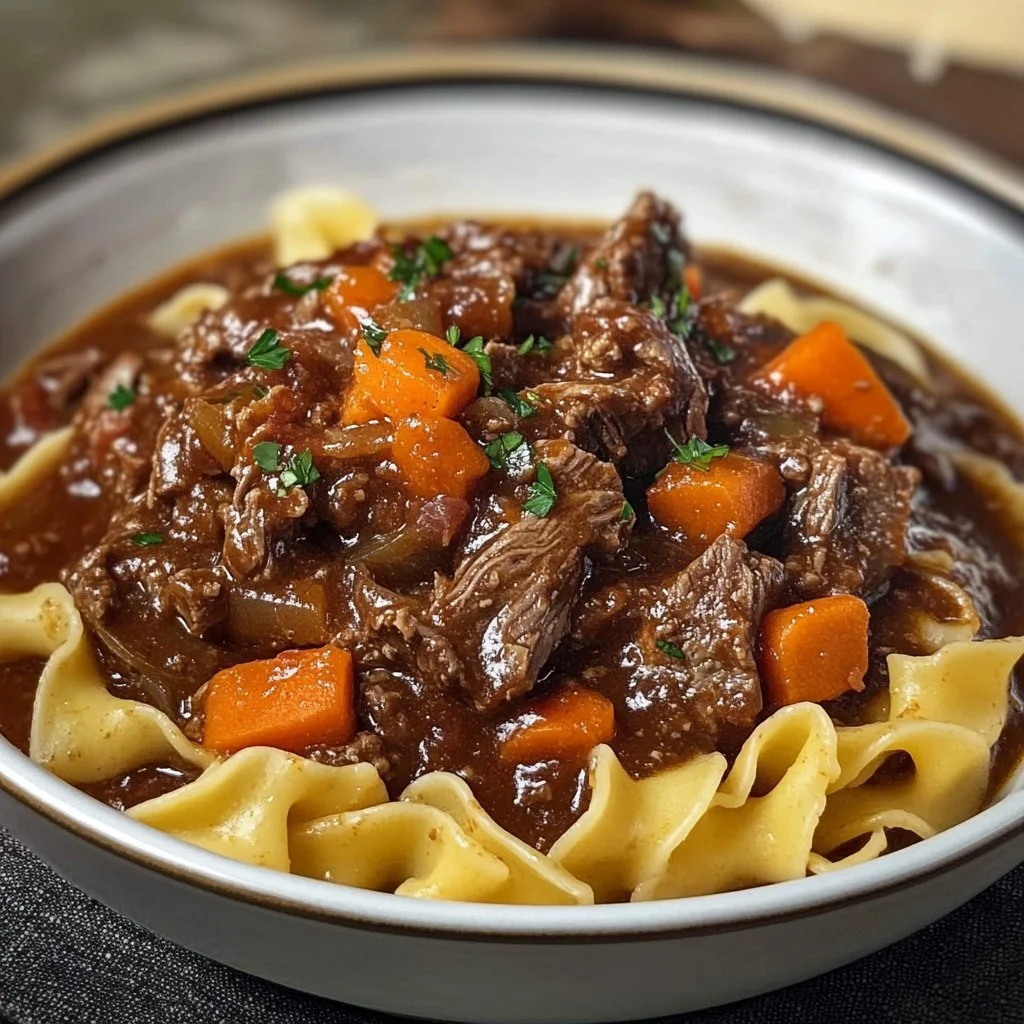
Bring this to the table with bowls that keep the heat, a loaf of crusty bread, and a small dish of grated Parmesan. I love to ladle ragu over a mound of long pasta spaghetti or tagliatelle so the sauce clings and the cheese warms and melts just so. Plate it alongside buttery mashed potatoes or creamy polenta if you want a Southern touch that speaks to home.
Set the table simply. A pitcher of water, a small carafe of extra wine, and a bowl of olives make the meal feel complete. Pass the bread, and let people tear off hunks and sop up bits of sauce. The sound of spoons against plates will be honest and slow. Children may show up with messy faces, and an elder will ask for an extra spoonful. Those are the moments I live for.
Pairings that sing with this ragu include a crisp green salad to cut the richness and roasted vegetables for texture. For Southern comfort, consider fried green tomatoes or a side of collard greens to balance the plate. Meanwhile, a simple glass of red wine brings the meal full circle.
Keeping the Comfort for Tomorrow
Slow-cooked meals have a gentle trick: the flavors deepen after a night in the fridge. Once cooled, store your Italian Beef Ragu in airtight containers. It will keep in the refrigerator for three to four days, and it freezes beautifully for up to three months.
To reheat on the stove, thaw overnight in the refrigerator if frozen, then warm gently over low heat. Stir occasionally and add a splash of beef broth or water if it looks tight. Reheating in a crock pot on low for an hour or two also works and keeps things hands-free. If you use the microwave, cover the dish and heat in short bursts, stirring between times so the sauce warms evenly.
From there, a leftover bowl of ragu can become many meals. Fold it into an egg bake for a savory breakfast, layer it in a casserole with cheese and breadcrumbs, or warm it and serve it over baked potatoes for a quick supper. The slow-cooked nature of this dish makes it forgiving and adaptable an advantage any busy household appreciates. For more slow-cooking inspiration that pairs well with this kind of make-ahead comfort, my collection of beef and pork recipes offers friendly options you can prepare with a little planning.
Lila’s Little Lessons
Over the years, I have learned a few small things that make Italian Beef Ragu shine. These are the kind of tips you get from sitting beside someone who knows the routine, the gentle help that turns a good meal into a beloved one.
- Brown well, then simmer low. Searing the beef builds flavor. After that, patience rewards you. Low and slow yields the best tenderness and a sauce that settles into itself.
- Taste as you go. Salt at the beginning and again at the end. The slow simmer can change how seasonings sing. If your sauce tastes flat near the end, a pinch of salt or a spoonful of tomato paste will wake it up.
- Use a heavy pot. A well-seasoned cast iron or a thick-bottomed Dutch oven gives you even heat and keeps the sauce from scorching. When my grandmother cooked, she used the old cast iron that had a story in every chip and nick.
- Don’t be afraid of leftovers. Ragu gains depth overnight. Make a double batch when you have the time, and you will thank yourself on a busy night.
- Adjust texture with tools. If you want a smoother sauce, shred the beef and stir it back into the pot. If you want chunkier pieces, keep some meat sliced in larger pieces and spoon the sauce over.
These are my kitchen truths. They are small, practical, and rooted in years of feeding people I love.
Family Twists on Italian Beef Ragu
Every family tucks a small twist into a recipe, and ours is no different. In the low country, we sometimes add a splash of Worcestershire or a teaspoon of smoked paprika to nod to Southern flavors. My cousin swirls in a tablespoon of butter at the end for silkiness. Another friend adds a handful of chopped mushrooms for earthiness.
If you favor the crock pot, try this method: brown the meat and sauté vegetables on the stove, then place everything in the slow cooker with the liquids and herbs. Cook on low for 6 to 8 hours. From there, if you like a thicker sauce, remove the lid in the last hour to let steam escape. If you prefer a richer finish, stir in a knob of butter or a splash of cream at the end.
In some Southern-Italian households, folks serve the ragu on thick slices of garlic-rubbed bread and top it with sharp provolone instead of Parmesan. In other pockets, polenta replaces pasta for a stick-to-your-ribs supper. My own mother sometimes shutters a little chili powder into the sauce to surprise the grandchildren with a warm bite. The variations are small, honest, and inviting. They make the dish part of a living tradition.
FAQs About Italian Beef Ragu
Can I make this ahead of time?
Yes, and truth be told, it might taste even better the next day. That is how slow-cooked flavors settle and sing. Make it a day ahead, cool, and refrigerate. Reheat gently before serving.
Can I use a different cut of beef?
You can, but choose a cut that benefits from slow cooking. Brisket, chuck, or short ribs give you tenderness and flavor when cooked low and long. Lean cuts will dry out.
What pasta should I serve with this ragu?
Long, ribboned pasta like tagliatelle or fettuccine is traditional and lovely. But the ragu is forgiving serve it over pappardelle, spaghetti, polenta, or even mashed potatoes for a heartier Southern feel.
How can I thicken the sauce if it seems too loose?
Remove the lid and simmer until it reduces, or mash a few pieces of the cooked vegetables against the pot to help thicken. A spoonful of tomato paste can add body and depth.
Is red wine necessary?
Wine adds acidity and a flavor depth that stands out after long cooking. If you do not use wine, increase the beef broth and add a tablespoon of vinegar for brightness.
A Final Thought
Until the next Sunday supper, remember that food is how we tell stories without words. Italian Beef Ragu is not just a stew. It is a way to hand comfort from one heart to another. It teaches patience, celebrates the slow work of flavor, and makes room at the table. When you cook it, let memories guide your hands. Stir with a steady rhythm. Taste with honesty. Invite someone to sit with you.
Above all, cook with the kind of care you would give a neighbor who has just come in out of the cold. That warmth passes through the food and into the people around your table. Keep a pot of ragu simmering and you will always have a reason to call someone home.
Conclusion
For a classic take on this dish, you can compare notes with the lovely detail found in Italian Beef Ragu – A Classic Recipe which shows a traditional method and serving ideas. If you enjoy slow cooker versions and want a recipe that leans into shredding the beef for a different texture, try this helpful guide to Slow Cooked Shredded Beef Ragu Pasta for inspiration and technique.
Print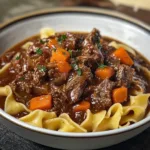
Italian Beef Ragu
- Total Time: 195 minutes
- Yield: 6 servings 1x
- Diet: None
Description
A heartwarming slow-cooked Italian Beef Ragu that brings comfort and family together at the table.
Ingredients
- 2 lbs beef chuck, cut into chunks
- 1 onion, chopped
- 2 carrots, diced
- 2 celery stalks, diced
- 4 cloves garlic, minced
- 1 can (28 oz) crushed tomatoes
- 1 cup red wine
- 1 cup beef broth
- 2 tablespoons tomato paste
- 2 teaspoons dried oregano
- 1 teaspoon dried basil
- Salt and pepper to taste
- Olive oil for cooking
- Fresh parsley for garnish
- Parmesan cheese for serving
Instructions
- In a large pot, heat olive oil over medium heat. Brown the beef chunks on all sides, then transfer to a plate.
- In the same pot, add chopped onion, carrots, and celery. Sauté until softened, about 5 minutes.
- Add garlic and cook for another minute.
- Stir in the crushed tomatoes, red wine, beef broth, tomato paste, oregano, basil, salt, and pepper. Mix thoroughly.
- Return the browned beef to the pot and nestle it into the sauce.
- Bring to a simmer, then cover and reduce heat to low. Cook for 120-180 minutes, stirring occasionally.
- Adjust seasoning if needed.
- Serve over pasta, garnished with fresh parsley and grated Parmesan.
Notes
Allow flavors to deepen overnight; serve with crusty bread and a side salad.
- Prep Time: 15 minutes
- Cook Time: 180 minutes
- Category: Main Course
- Method: Slow Cooking
- Cuisine: Italian
Nutrition
- Serving Size: 1 serving
- Calories: 450
- Sugar: 7g
- Sodium: 500mg
- Fat: 15g
- Saturated Fat: 5g
- Unsaturated Fat: 9g
- Trans Fat: 0g
- Carbohydrates: 40g
- Fiber: 4g
- Protein: 35g
- Cholesterol: 90mg