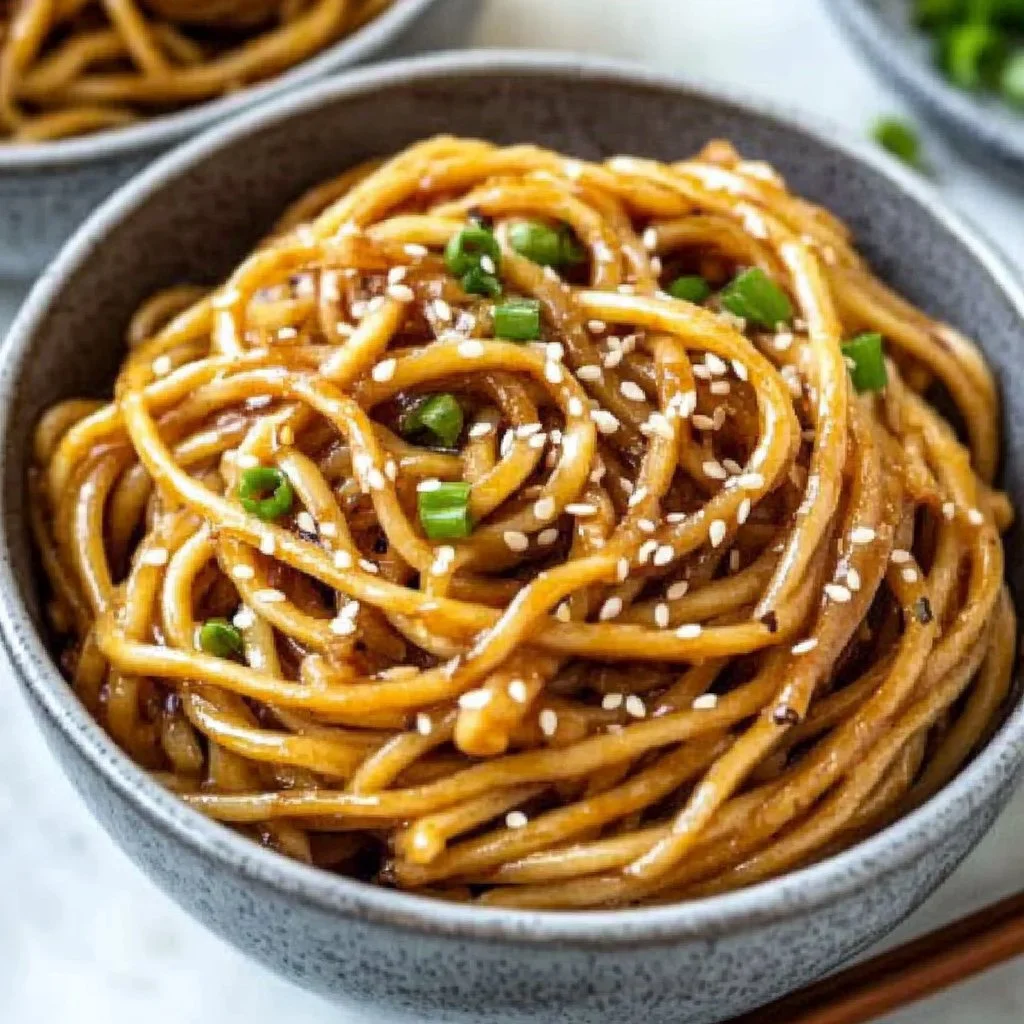
The kitchen light in the late afternoon falls warm across the pantry door, and the air holds a soft steam of garlic and toasted sesame oil. I remember the first time I braided those scents together for my children, how the simple bowl of Garlic Sesame Noodles stopped small arguments and turned a hurried hour into a kind of slow Sunday.
The sound of wooden spoons on a skillet, the low clatter of chopsticks against a bowl, and the smell that sat in the house for hours made everyone find their way back to the table. That memory is what I bring to this recipe, a humble dish that feels like a hug from a well-worn apron.
Why Garlic Sesame Noodles Still Feels Like Home
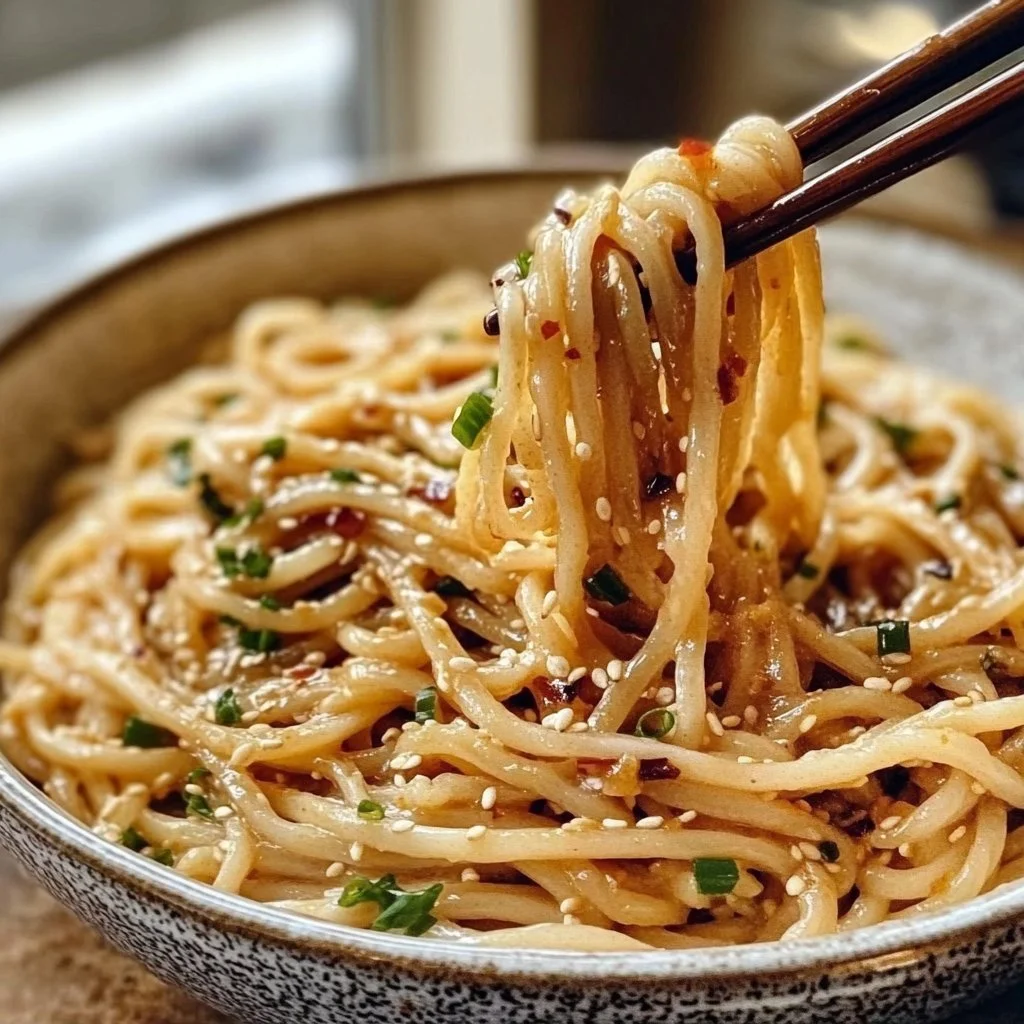
This noodle bowl carries the kind of comfort that settles into the bones. In many Southern kitchens, comfort has a voice: it is slow-simmered, softly spiced, and meant to be shared. Garlic Sesame Noodles does the same work, though its roots travel across oceans. It arrived on our table as a plain, earnest dish that invited additions, substitutions, and a little Ella Fitzgerald on the radio.
Meanwhile, the dish made its way into family lore because it was easy to teach. I showed my children how to press garlic and how sesame oil can finish a dish with just a few drops. From there it became a go-to when time was thin but love was thick. It proved that Southern comfort is not about where a recipe comes from, but how it wraps everyone together.
Over the years, this bowl taught me to trust simple ingredients. It showed up at weeknight suppers and picnic tables, and it always found a voice at Sunday gatherings. The heart behind Garlic Sesame Noodles is not just flavor; it is the space it makes for stories, laughter, and the quiet passing of recipes from hand to hand.
Bringing Garlic Sesame Noodles Together With Care
“Every time this pot simmers, it feels like my mama’s kitchen all over again.”
Before we dive into the particulars, allow me a few words about the rhythm you will find here. This sauce is patient in the same way a slow-cooked pot is patient. The garlic takes its time to warm in oil and release that deep, nutty sweetness. The tahini needs a gentle whisk to move from grainy to smooth. The noodles, brown rice in this case, offer a soft chew that sings against the bold sauce.
From there, you will see the smell change as the sauce thickens and the sesame oil blooms. Texture matters here. You want ribbon-like noodles wrapped in a silky, clingy sauce that keeps each bite warm and inviting. Once plated, a scatter of scallions or crushed peanuts gives the bowl a small, bright contrast. This is homemade comfort, and it asks only for a little care.
What You’ll Need to Make Garlic Sesame Noodles
12 ounces brown rice noodles
1 tablespoon oil (neutral oil works best)
6 cloves garlic
1/4-1/3 cup low sodium soy sauce or tamari
2 tablespoons veggie broth
1 1/2 tablespoons rice vinegar
2 tablespoons toasted sesame oil
1 tablespoon honey or maple syrup
2 tablespoons tahini
2 teaspoon sriracha
1/2 teaspoon ground ginger
Notes on the pantry and small swaps: use real butter if you can, it gives that Sunday flavor when you want a richer finish. If you prefer a gluten-free route, tamari keeps the dish safe and salty. For a vegan note, choose maple syrup instead of honey. The toasted sesame oil is tiny but mighty; a little goes a long way.
Meanwhile, keep your tools close: a large pot for the pasta, a sturdy skillet for the garlic, a whisk, and a heatproof bowl for mixing the sauce. A good garlic press is worth its weight when you want the garlic to dissolve into the sauce, and a set of tongs helps you lift and toss the noodles with confidence.
Step-by-Step Directions
- Bring a large pot of water to a boil and cook the pasta according to package instructions.
Watch the noodles as they boil, and taste one early so you catch the perfect chew.
Drain the pasta and toss briefly with a drop of oil to keep them from sticking. - Mince the garlic very finely or use a garlic press to get it super small since we won’t be blending up this sauce.
Fine pieces release flavor faster and melt into the sauce like a soft whisper.
The aroma will lift and tell you it is beginning to sing. - Add the minced garlic to a pan with the neutral oil. This can be avocado, olive, or refined coconut oil.
Heat gently so the garlic releases sweetness instead of burning.
Stir and tilt the pan so every little piece gets warm. - Saute until the edges of the garlic look golden brown.
You will see tiny flecks take on color and smell turn nutty and rich.
Remove from heat slightly if they begin to darken too quickly. - Meanwhile, whisk together all of the remaining sauce ingredients in a bowl until there are no visible clumps of ginger and the tahini is spread throughout.
You want a smooth, slightly thick sauce that will cling to the noodles.
Taste for balance and add a splash more vinegar if you prefer a brighter bite. - Pour the sauce into the pan with the garlic and mix well.
Use a spatula to bring the sauce into the warm garlic and let the flavors marry.
The pan will steam and the mixture will look glossy. - Let simmer for 2-3 minutes or until the sauce thickens slightly.
Keep the heat gentle so the tahini loosens and blends completely.
Stir so nothing sticks and the sauce takes on a sheen. - When the pasta is done cooking, combine with the sauce.
Toss with tongs so each strand wears the sauce like a soft coat.
If it needs a splash more broth to loosen, add it now. - Garnish with scallions, red pepper flakes, crushed peanuts and enjoy!
The garnishes bring a bright crunch and a peppered warmth that lifts the bowl.
Serve hot, and listen to the small exclamations around the table.
Each numbered step keeps to a simple rhythm. Once you get into the flow, the pantry and the pot begin to speak to you. The whole process takes a modest half hour if your water cooperates, and less if you have warm broth ready.
Bringing Garlic Sesame Noodles to the Table
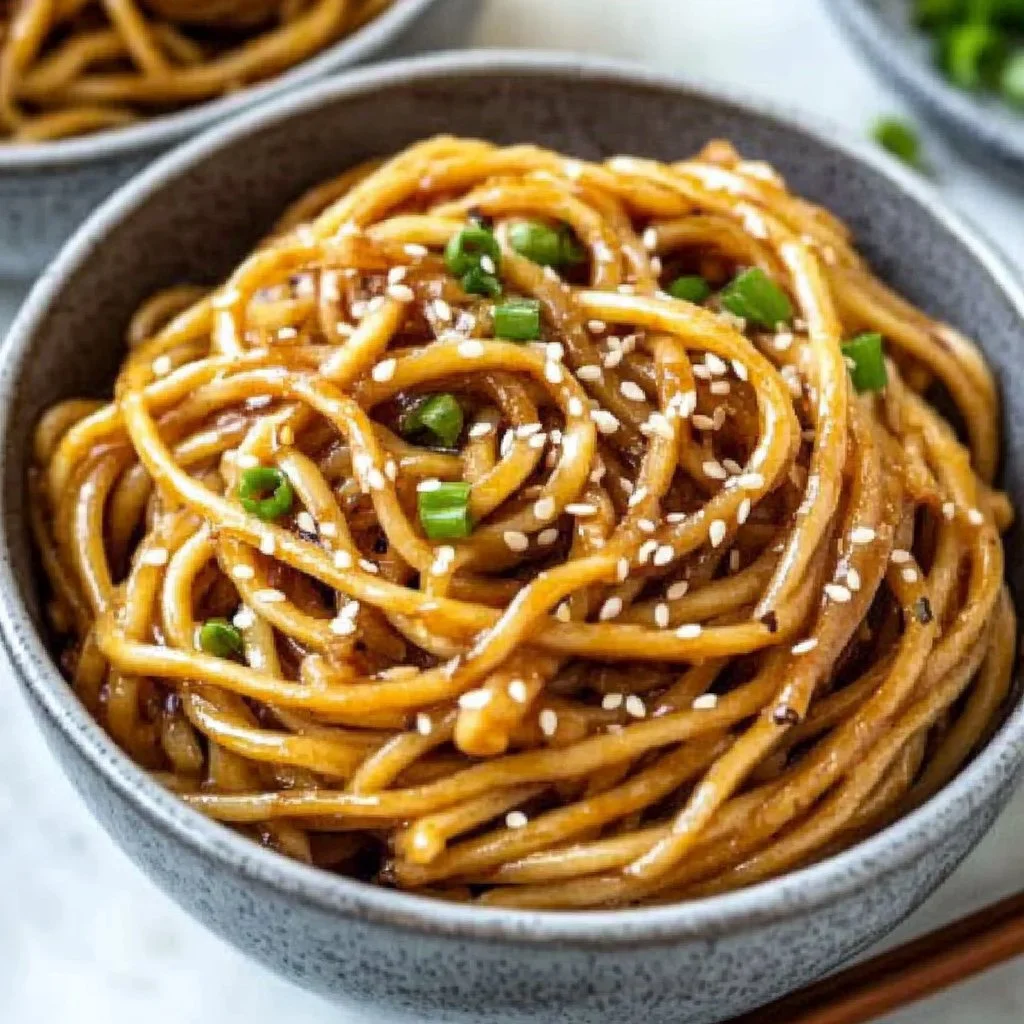
When you set this dish down, do it like you are welcoming company. Place a large bowl in the center and let people serve themselves. The noodle bowl invites conversation. It is not fussy. It is the kind of meal you bring when you want neighbors to linger and for children to share jokes without hurry.
Serve with a few extras in small dishes: sliced cucumbers, quick-pickled carrots, or a simple slaw that cuts through the richness. Meanwhile, a pan of roasted greens or a skillet of buttered corn are fine Southern companions. Think of the plate as a conversation: the noodles speak softly, and the sides add punctuation.
Bring the bowls warm and the tea freshly steeped. Let everyone add their own red pepper flakes or peanuts. The table will fill with the sound of chopsticks, laughter, and the ease of people who know they are welcome. That is the true pairing of this dish the shared human moment.
Keeping the Comfort for Tomorrow
Leftovers are a blessing with this dish. Once cooled, transfer the Garlic Sesame Noodles into an airtight container and chill. The flavors will settle and deepen overnight, much like a slow-cooked stew. If you want to keep that freshly tossed silkiness, add a spoon of warm broth when reheating.
To reheat on the stove, warm a skillet over low heat, add a splash of veggie broth or water, then add the noodles and toss until warmed through. For microwave reheating, cover the bowl and heat in 30 second bursts, stirring between each. The sesame oil will sometimes separate in the cold; whisk it back in with a little warm liquid.
You can freeze noodles for up to one month, though the texture of brown rice noodles changes slightly with freezing. If freezing, flash-cool and place in freezer-safe containers with a bit of extra broth so reheating restores moisture. When in doubt, from there, reheat gently and add a few fresh toppings to return the bright notes of the first day.
Lila’s Little Lessons
- Timing and patience matter more than fancy tools. Let garlic warm slowly so it sweetens. If it browns too quickly, you lose the gentle note that makes the dish homey.
Use medium-low heat and a watchful eye. - Toasted sesame oil is strong. Add it at the end for aroma instead of during cooking. A little dropped in the final toss sings more than a lot added early.
A small bottle goes a long way. - Brown rice noodles need a confident boil and a quick rinse under warm water to stop cooking. Taste early and pull them when they still hold a slight bite. Overcooked noodles make the sauce heavy.
Keep them al dente for best texture. - Tahini can be grainy. Whisk it with a little warm broth or water before adding to the saucepan to make it smooth. This keeps the sauce silky and avoids clumps.
A fork and patience are your friends. - Tools I trust: a heavy skillet, a whisk, a wooden spoon, and a good garlic press. A good colander and a pot with a lid that traps steam will save you time and effort.
Use the tools that feel like an extra hand in the kitchen.
Family Twists on Garlic Sesame Noodles
Our family has a few ways to make this dish feel regional. In the Delta, a spoonful of bacon drippings joins the neutral oil to lend a smoky, Southern note. Meanwhile, the coastal kitchens often add shrimp or crab and a squeeze of lemon to brighten the bowl.
From there, some evenings call for a crock pot version when I know I will be slow about the rest of supper. For a slow-cooker take, combine the sauce ingredients early, add a cup of warm broth, and keep warm. Cook the noodles separately and toss in at serving time so they do not overcook. The crock pot allows the sauce to deepen and the garlic to mellow like a gentle stew.
You can also make it heartier by adding roasted eggplant or tofu. For crunch, top with crushed fried shallots instead of peanuts. In the South, we sometimes sprinkle a little chili crisp for a sweet-heat finish that nods to both kitchens.
Each twist keeps the central comfort: warm noodles, sweet garlic, and sesame’s soft nutty hum. It is a dish that welcomes changes without losing its original soul.
FAQs About Garlic Sesame Noodles
Can I make this ahead of time?
Yes, and truth be told, it might taste even better the next day; that’s how Southern flavors settle and sing. Store in the fridge and reheat gently with a splash of broth.
Is this dish gluten-free?
It can be. Use brown rice noodles and tamari instead of regular soy sauce. Check labels to be sure your tahini and other sauces are certified gluten-free.
How long does it take to cook?
From start to finish, plan for about 20 to 30 minutes. Much of the time is gentle simmering and waiting for water to boil. It is quick enough for weeknights and kind to slow evenings.
Can I use a different noodle?
Yes. Soba, udon, or even spaghetti will work in a pinch. Each noodle changes the mouthfeel, so adjust the cooking time and treat the texture with care.
What if my sauce is too thick?
Add a tablespoon of veggie broth or warm water at a time until it loosens. Tahini and soy can thicken, so patience and small additions of liquid are the remedy.
A Final Thought
There is a hush that comes after a good meal, when the pots are cooling and the kitchen remembers the sound of footsteps. Garlic Sesame Noodles gives you that hush in a bowl. It is not flashy. It does not demand fanfare. It asks only for good hands and a small portion of time, and it rewards with warmth and ease.
In our family, this bowl became a small ritual. We served it on nights when someone returned from a long road, or when a neighbor needed a plate. It is the sort of homemade comfort that keeps traditions alive and makes the ordinary remarkable. When you next stir a pot and let the garlic warm, know that you carry a long line of care in those few simple motions.
Conclusion
If you want an outside reference for a similar easy preparation, this version from Garlic Sesame Noodles – Eat With Clarity offers a clear take on the flavors and timing. For a quick, vegan-friendly note on a 10-minute approach, see Easy Garlic Sesame Noodles – 10-Minute Vegan, Gluten-free Meal for ideas on speed and substitutions.
Until the next time you light the stove and call the family in, keep this bowl as a small invitation. Make it your own, pass it along, and let the slow comforts of a good kitchen stitch your people together.
Print
Garlic Sesame Noodles
- Total Time: 30 minutes
- Yield: 4 servings 1x
- Diet: Vegan
Description
A comforting bowl of Garlic Sesame Noodles that brings warmth and nostalgia, perfect for sharing with loved ones.
Ingredients
- 12 ounces brown rice noodles
- 1 tablespoon neutral oil (such as avocado, olive, or refined coconut)
- 6 cloves garlic, minced
- 1/4–1/3 cup low sodium soy sauce or tamari
- 2 tablespoons veggie broth
- 1 1/2 tablespoons rice vinegar
- 2 tablespoons toasted sesame oil
- 1 tablespoon honey or maple syrup
- 2 tablespoons tahini
- 2 teaspoons sriracha
- 1/2 teaspoon ground ginger
Instructions
- Bring a large pot of water to a boil and cook the pasta according to package instructions. Drain and toss with a drop of oil to prevent sticking.
- Mince the garlic finely or use a garlic press and sauté in a pan with neutral oil until golden brown.
- Whisk together the remaining sauce ingredients in a bowl until smooth.
- Pour the sauce into the pan with the garlic and let simmer for 2-3 minutes until thickened.
- Combine the cooked noodles with the sauce, tossing until well coated.
- Garnish with scallions and serve hot.
Notes
For a richer finish, use real butter instead of oil. For a vegan version, substitute honey with maple syrup. Adjust soy sauce for gluten-free option by using tamari.
- Prep Time: 10 minutes
- Cook Time: 20 minutes
- Category: Main Course
- Method: Sautéing
- Cuisine: Asian
Nutrition
- Serving Size: 1 serving
- Calories: 350
- Sugar: 6g
- Sodium: 300mg
- Fat: 11g
- Saturated Fat: 1.5g
- Unsaturated Fat: 9g
- Trans Fat: 0g
- Carbohydrates: 48g
- Fiber: 4g
- Protein: 11g
- Cholesterol: 0mg