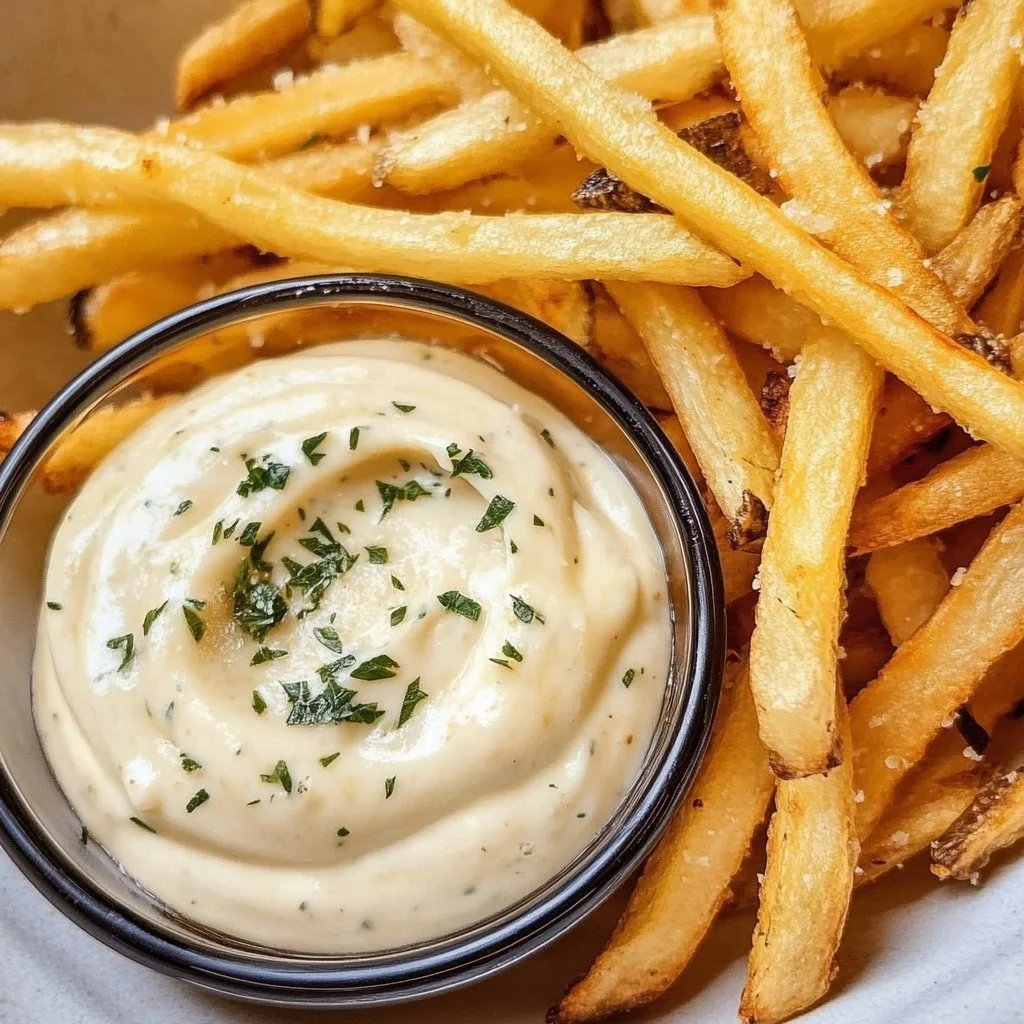
The late afternoon light pours through the kitchen window, warming the counter where a small bowl waits. A slow, steady rhythm settles in as I mince garlic by hand and whisk it into creamy mayonnaise. The sound of the spoon sliding against glass, the bright breath of lemon, and the hush that comes when flavors meet remind me that even a simple sauce can make the house feel like home. Garlic Aioli lives in that quiet moment, a calm companion to whatever else is simmering on the stove or slow-cooking in the back of the kitchen.
Why Garlic Aioli Deserves a Place at Your Table
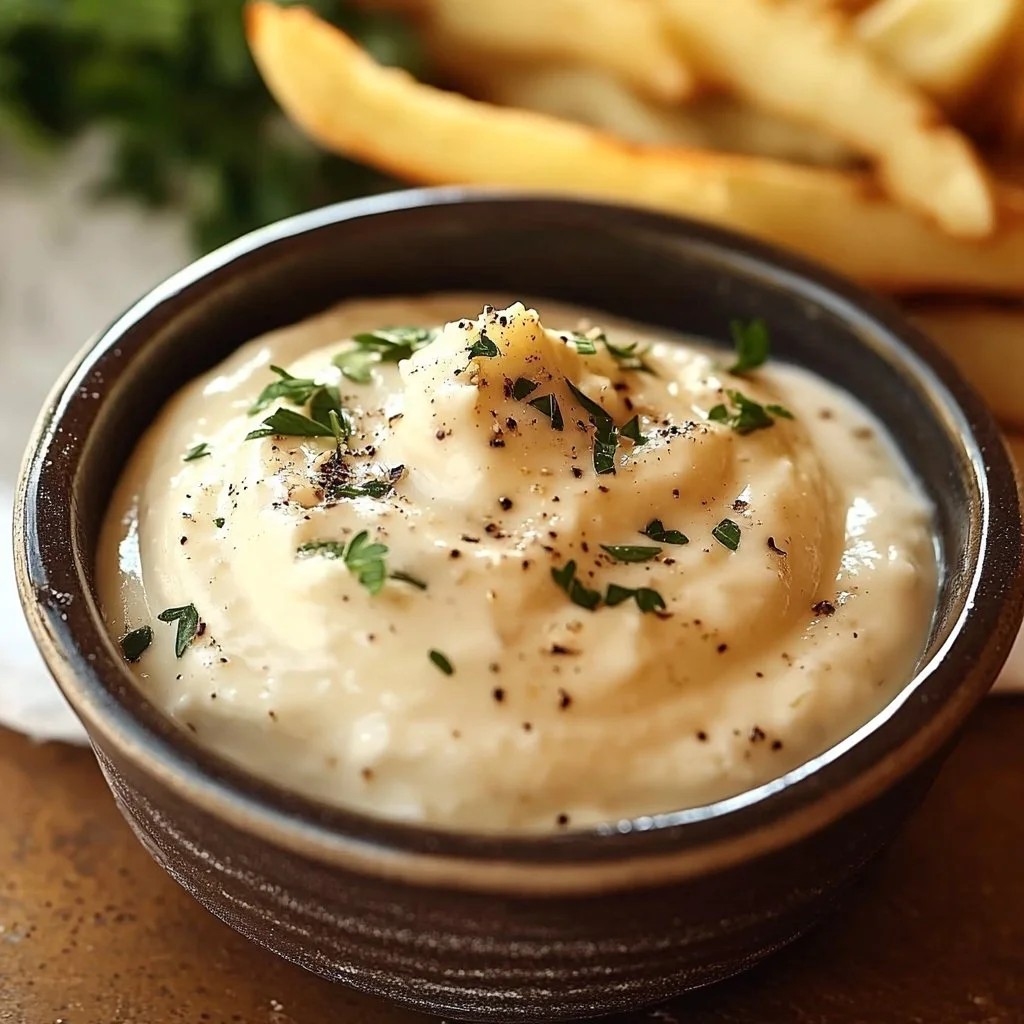
Garlic Aioli brings a hushed joy to busy evenings. It is the kind of small, confident thing that lifts roasted vegetables, fries, sandwiches, and grilled fish without fuss. When life feels fast, a jar of aioli offers a tiny ritual: press the garlic, whisk slowly, taste, and pause. That pause matters. It turns a meal into a memory.
This recipe is timeless because it is simple and flexible. It does not rely on complicated techniques or rare ingredients. Instead, it trusts good garlic, bright lemon, and steady emulsifying. That trust is a kind of kitchen wisdom that makes home cooking feel forgiving and kind. When you make this aioli, you are inviting a gentle, Southern-style comfort into your day.
There is practical beauty here too. Aioli stores easily, brings hands-on speed to a weeknight meal, and makes leftovers feel fresh again. Use it beside a slow-cooked roast or a cozy crockpot dinner to add brightness and texture. If you love a creamy, garlicky finish with your slow meals, consider pairing this aioli with a rich pasta from the slow cooker; for a creamy, comfort-centered night, try it alongside a hearty casserole or best crockpot garlic parmesan chicken pasta for an easy, beloved dinner.
Preparing Garlic Aioli With Ease
“There’s something comforting about letting a meal take its time the kitchen fills with warmth, and the day slows down too.”
Before you measure or chop, take a breath and notice the garlic. Fresh cloves have a soft sheen and a quiet sweetness beneath their sharpness. This recipe asks for gentle technique more than speed. Emulsion will form as you whisk, so a steady hand and patient motion win the day.
Aioli’s texture should be smooth and creamy, not runny. Aroma matters: the first whiff should be bright and garlicky, not harsh. If your garlic bites too strong at first, a short rest in the fridge after whisking lets the flavors calm and mingle. When I teach this to friends, I remind them that aioli is a small act of care. A bowl of it sitting at the center of the table softens voices and invites second helpings.
Once you feel comfortable with these small steps, you can use your aioli in many slow-cooker meals and simple sandwiches. If you want a bolder southern twist, I often reach for a slightly smoky seasoning when serving with pork or charred vegetables. For something lighter, a touch more lemon lifts the whole bowl.
What You’ll Need for Garlic Aioli
1 cup mayonnaise
2-3 cloves garlic, minced or pressed
1 tbsp fresh lemon juice
1 tsp Dijon mustard
1/2 tsp sea salt, adjusted to taste
1/4 tsp freshly ground black pepper
2 tbsp extra-virgin olive oil
Small side note: if you prefer a lighter flavor, start with less salt and add slowly. I sometimes use a mayonnaise with lower sodium and add a tiny pinch of extra salt at the end. For a richer, silkier mouthfeel, use the full 2 tablespoons of extra-virgin olive oil and drizzle it in slowly to encourage a stable emulsion.
Step-by-Step Directions
- In a small bowl, combine mayonnaise, minced garlic, lemon juice, and Dijon mustard.
Whisk with a steady, even motion until the mixture looks smooth and homogenous.
Pause and breathe; let the garlic sit for a moment to soften its edge. - Whisk until smooth and the garlic is evenly distributed.
Scrape the sides of the bowl so no pocket of mayonnaise is left.
A light, even consistency is what you are aiming for. - Slowly drizzle in olive oil while whisking to emulsify and add richness.
Move the whisk in small circles and pour steadily, not quickly.
This gradual method keeps the sauce creamy and smooth. - Season with salt and pepper, then taste and adjust seasoning or lemon juice as needed.
Add salt little by little; lemon can brighten the whole bowl if it needs life.
If it tastes too sharp, a tiny bit more mayo will soften the profile. - Cover and refrigerate for at least 15 minutes to allow flavors to meld.
The rest in the fridge calms the garlic and deepens the flavor.
Overnight, the aioli will mellow and become more harmonious. - Serve as a dip for fries, veggies, a spread for sandwiches, or dolloped on grilled meats or seafood.
Use it at the center of the table like a small comfort gift.
It pairs beautifully with dishes that have slow-cooked depth and a touch of smoke.
Mini-tip: If your aioli splits or looks a little thin, start a fresh teaspoon of mayonnaise in a bowl and whisk in the split sauce slowly to bring it back together.
Mini-tip: Check tenderness and pairing timing when serving with slow-cooked meats. A slice of rest for the meat and a chilled aioli create a calm rhythm on the plate.
Mini-tip: Stir gently to keep the sauce creamy; aggressive mixing can warm the oil and change texture.
Bringing Garlic Aioli to the Table
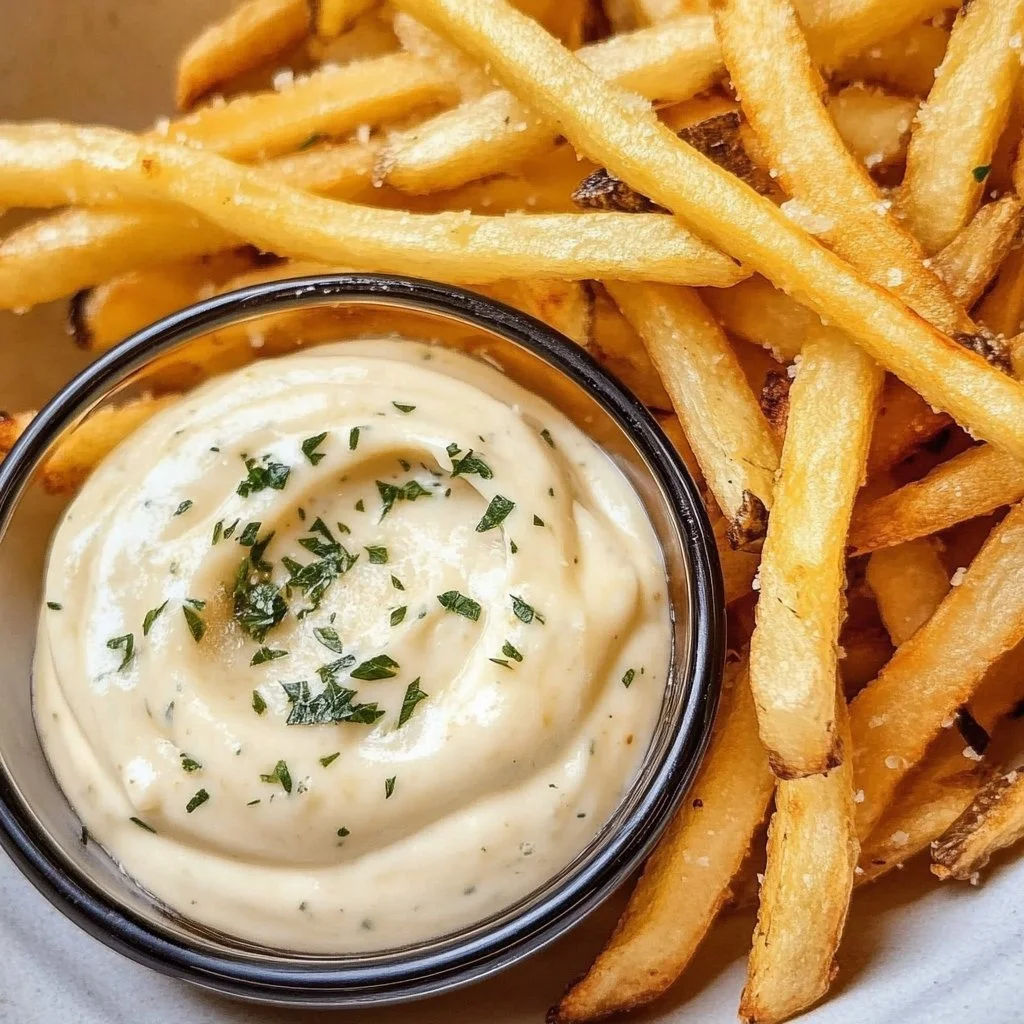
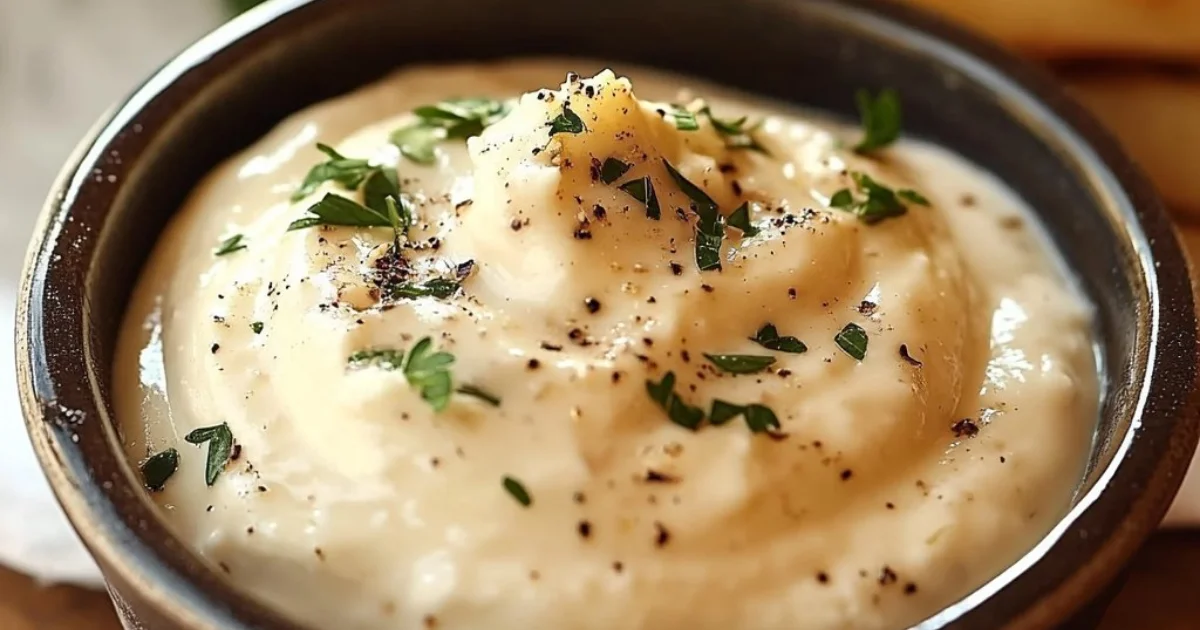
When you bring this aioli to the table, set it in a shallow bowl and drizzle a little olive oil across the top for shine. A scattering of minced parsley or a pinch of smoked paprika makes a friendly, Southern-style garnish that smells like Sunday afternoons.
Imagine a warm platter of slow-cooked chicken or pork, steam lifting, and a small dish of aioli waiting beside it. The creamy sauce cuts the richness and adds a bright, garlicky thread. For family dinners I make a simple spread: roasted potatoes, blanched green beans, warm cornbread, and a bowl of aioli ready for dipping. It invites people to come close, to taste, and to say, “Could you pass that?” That small exchange is the heart of home cooking.
Aioli is also a gentle bridge for more casual meals. If you are serving a cozy pasta pulled from a slow cooker, a smear of aioli on toasted bread doubles as an elegant side. It makes fries feel indulgent and vegetables feel dressed for company. When you present food with calm confidence, people relax. Their plates clear a little faster, and the room fills with easy conversation.
If you are wondering what to serve alongside aioli for a truly slow-cooker evening, I recommend pairing it with comforting, saucy dishes and crisp vegetables. It also complements baked fish or a pan-seared steak with a caramelized crust. For simple inspiration, try it with a creamy, slow-cooked chicken dish for a comforting, layered meal, like the creamy garlic chicken crock-pot recipe that fills the house with warm scents.
Saving Garlic Aioli for Tomorrow
Aioli keeps well in the refrigerator when stored properly. Transfer it to a clean, airtight container and press a piece of plastic wrap directly on the surface to limit air exposure. Stored this way, the aioli will stay fresh for up to five days.
If you make a large batch, taste it each morning before serving to check its brightness. Fresh lemon juice fades slightly over time, so a tiny stir with a few drops more lemon can wake it up. Do not freeze aioli; thawed mayonnaise-based sauces can separate and lose their pleasant texture.
Leftover aioli makes very sweet second-act dishes. Stir a spoonful into warm pasta with vegetables and a bit of pasta water for a silky sauce. Dollop it onto grain bowls, or use it as a creamy component in a sandwich with cold roast beef or grilled vegetables. Flavors often deepen overnight, so a sauce that seems sharp the day you make it will often feel balanced and mellow by dinner the next day.
If you are bringing aioli to a potluck, keep it cool in a small cooler or in a bowl of ice. The coolness preserves the texture and keeps the garlic from growing assertive. When you reintroduce it to room temperature, give it a gentle stir and let it sit for five minutes so the flavors re-awaken.
Savannah’s Slow-Cooker Tips
- Think in layers of flavor.
When you are cooking slow, start with a base of aromatics and build up to brighter notes.
For example, a roast with bay leaf, a pinch of smoked paprika, and a bright aioli at the end creates balance. - Match temperature with texture.
If your main dish is hot and bubbling, a chilled aioli will calm the plate.
Serve the aioli straight from the fridge and let guests add it as they like. - Use room-temperature garlic for a milder flavor.
Let minced garlic sit a few minutes after mincing to release its sweeter notes.
If you want more mellow garlic, roast a clove or two and mash them into the aioli. - Keep equipment simple.
A sturdy whisk and a small mixing bowl do the job.
If you prefer an electric approach, pulse briefly with an immersion blender, but be gentle to avoid overworking the sauce. - Trust your taste buds.
Salt, lemon, and garlic are the main levers here. Adjust in small steps and taste often.
A final brightening with lemon just before serving can transform the sauce.
Mini-tip: For a smoky touch, substitute one teaspoon of the olive oil with toasted sesame oil or add a small pinch of smoked paprika. The flavor will feel like company.
Mini-tip: If a recipe calls for a cream sauce in your slow cooker, reserve aioli to finish the dish at the end so the sauce keeps its fresh lift.
For a weeknight that moves at a slower pace, pair this aioli with a warm, cheesy skillet or a crisp roast. If you want another route for comfort and ease, try it alongside a homey skillet dinner like the crispy parmesan chicken garlic cream sauce for a satisfying but gentle meal.
Family Twists on Garlic Aioli
Each kitchen has its own small rituals and favorite twists. In my family, we like to fold a little chopped dill into the aioli when it will dress fish. My sister prefers a hint of cayenne when we serve it with fries because she loves a gentle heat.
In coastal Southern homes, you might find a touch of horseradish stirred in for a bold edge with seafood. Inland tables might lean toward herbs like thyme or tarragon to brighten a roast. You can change textures too. Swap some mayonnaise for Greek yogurt to make a lighter, tangier version that still has the garlicky spirit.
A regional variation I adore adds a small spoon of whole-grain mustard for a sandwich spread that tastes like porch-side conversations. Another simple addition is roasted garlic. Roast several cloves at 400 F in a bit of olive oil until they are soft and sweet, then mash and add to the aioli for a mellow, caramelized flavor.
Children often prefer milder garlic. Try using just one clove and balancing with a touch more lemon and mustard to keep the flavor approachable. For guests who love bold seasonings, set small bowls of add-ins at the table smoked paprika, minced herbs, or hot sauce so everyone can tailor the aioli to their taste.
If you like making a double batch for company, serve a plain bowl for those who want classic garlic aioli and a second bowl with a small flourish maybe jalapeno and lime for a lively variation, or anchovy paste for a deeply savory twist.
FAQs About Garlic Aioli
Can I use a different kind of oil?
Yes. Extra-virgin olive oil gives a fruity, rich flavor, but a neutral oil like avocado or light olive oil will make the aioli milder. If you use a stronger oil, add it slowly and taste as you go.
How long will the aioli last in the fridge?
Stored in a clean, airtight container, about four to five days is a good guideline. Check for bright flavor each day. If it smells off or looks separated, discard it.
Can I make aioli without raw garlic for a gentler flavor?
Absolutely. Roasted garlic or a quick blanch of garlic in boiling water for 30 seconds will soften the bite. Roasted garlic gives a sweet, mellow character that many find very comforting.
Is aioli safe to give to children or pregnant people?
Many store-bought mayonnaises are made with pasteurized eggs and are generally considered safe. If you are using raw eggs in homemade mayonnaise, take extra care or choose pasteurized eggs. If safety is a concern, use a pasteurized mayonnaise base to make the aioli.
How can I rescue a split aioli?
Place a teaspoon of fresh mayonnaise in a clean bowl and whisk the split aioli into it slowly. This gentle method helps bring the emulsion back together.
A Final Thought
Ever since I started making small bowls of aioli on slow evenings, the ritual has become one of my quiet comforts. It is not about perfection. It is about showing up with simple, steady motions: press garlic, whisk, taste, and rest. The sauce that results offers a soft kind of hospitality, an invitation to sit and share a warm plate with someone you love.
There is tenderness in taking time for small things. When the house is full of slow scents and gentle noises, a dish like this reminds us that food is a way to care for ourselves and each other. Keep a jar in the fridge for calm meals and hurried ones. Use it to brighten a slow-cooked roast, to lift a weeknight sandwich, or to make a casual gathering feel like an old, beloved habit.
Conclusion
If you want another straightforward, four-ingredient take on aioli for comparison or inspiration, this Garlic Aioli Recipe (4 Ingredients) | The Kitchn is a helpful reference for a pared-down version. For a broader set of ideas and variations you might try, this Garlic Aioli Recipe collects reader-tested tips and serving suggestions that can spark new twists in your kitchen.
Print
Garlic Aioli
- Total Time: 10 minutes
- Yield: 4 servings 1x
- Diet: Vegetarian
Description
A simple and flavorful garlic aioli perfect for dipping, spreading, or enhancing weeknight meals.
Ingredients
- 1 cup mayonnaise
- 2–3 cloves garlic, minced or pressed
- 1 tbsp fresh lemon juice
- 1 tsp Dijon mustard
- 1/2 tsp sea salt, adjusted to taste
- 1/4 tsp freshly ground black pepper
- 2 tbsp extra-virgin olive oil
Instructions
- In a small bowl, combine mayonnaise, minced garlic, lemon juice, and Dijon mustard.
- Whisk with a steady, even motion until the mixture looks smooth and homogenous.
- Pause and breathe; let the garlic sit for a moment to soften its edge.
- Whisk until smooth and the garlic is evenly distributed.
- Scrape the sides of the bowl so no pocket of mayonnaise is left.
- Slowly drizzle in olive oil while whisking to emulsify and add richness.
- Season with salt and pepper, then taste and adjust seasoning or lemon juice as needed.
- Cover and refrigerate for at least 15 minutes to allow flavors to meld.
- Serve as a dip for fries, veggies, a spread for sandwiches, or dolloped on grilled meats or seafood.
Notes
Aioli can be stored in the refrigerator for up to five days. Adjust garlic and seasoning based on preference.
- Prep Time: 10 minutes
- Cook Time: 0 minutes
- Category: Condiment
- Method: Whisking
- Cuisine: Southern
Nutrition
- Serving Size: 1 serving
- Calories: 200
- Sugar: 1g
- Sodium: 300mg
- Fat: 22g
- Saturated Fat: 3g
- Unsaturated Fat: 18g
- Trans Fat: 0g
- Carbohydrates: 2g
- Fiber: 0g
- Protein: 1g
- Cholesterol: 10mg