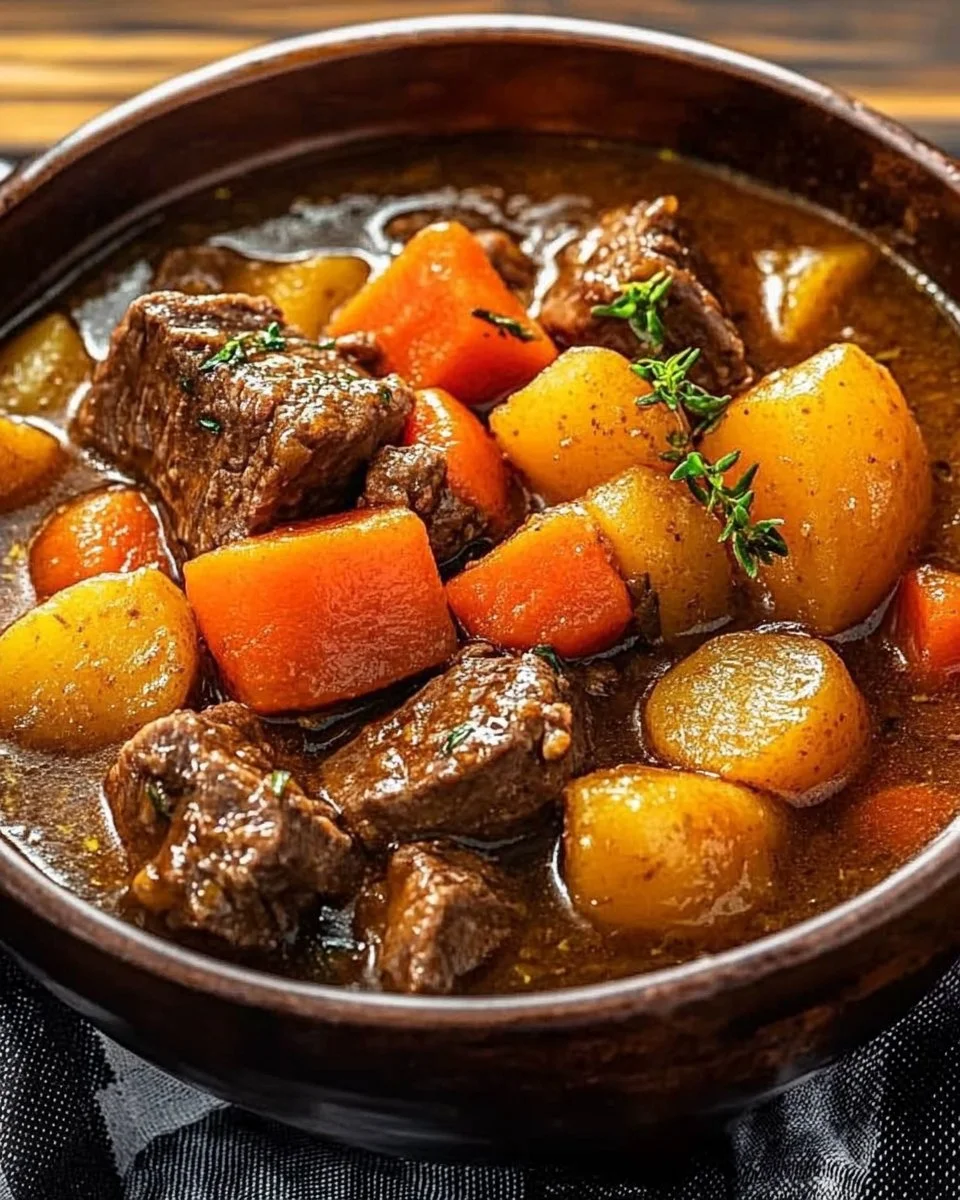
I remember the steam curling up from a deep, worn pot on my grandmother’s stove, the kitchen light soft and honeyed around her bent shoulders. The scent of browned beef, sweet carrots, and a whisper of thyme braided itself with the low hum of a radio and the sound of my cousins’ laughter. That first spoonful of Classic Old Fashioned Beef Stew felt like a blanket wrapped around us warm, reliable, and full of stories.
It is the kind of dish that teaches you how slow cooking tucks memories into the corners of a house. If you love the ease of a slow cooker and the soul of a stovetop pot, this recipe will meet you there; and for extra slow cooker inspiration, you might like this classic beef stew slow cooker guide that honors gentle heat and time.
Why Classic Old Fashioned Beef Stew Still Feels Like Home
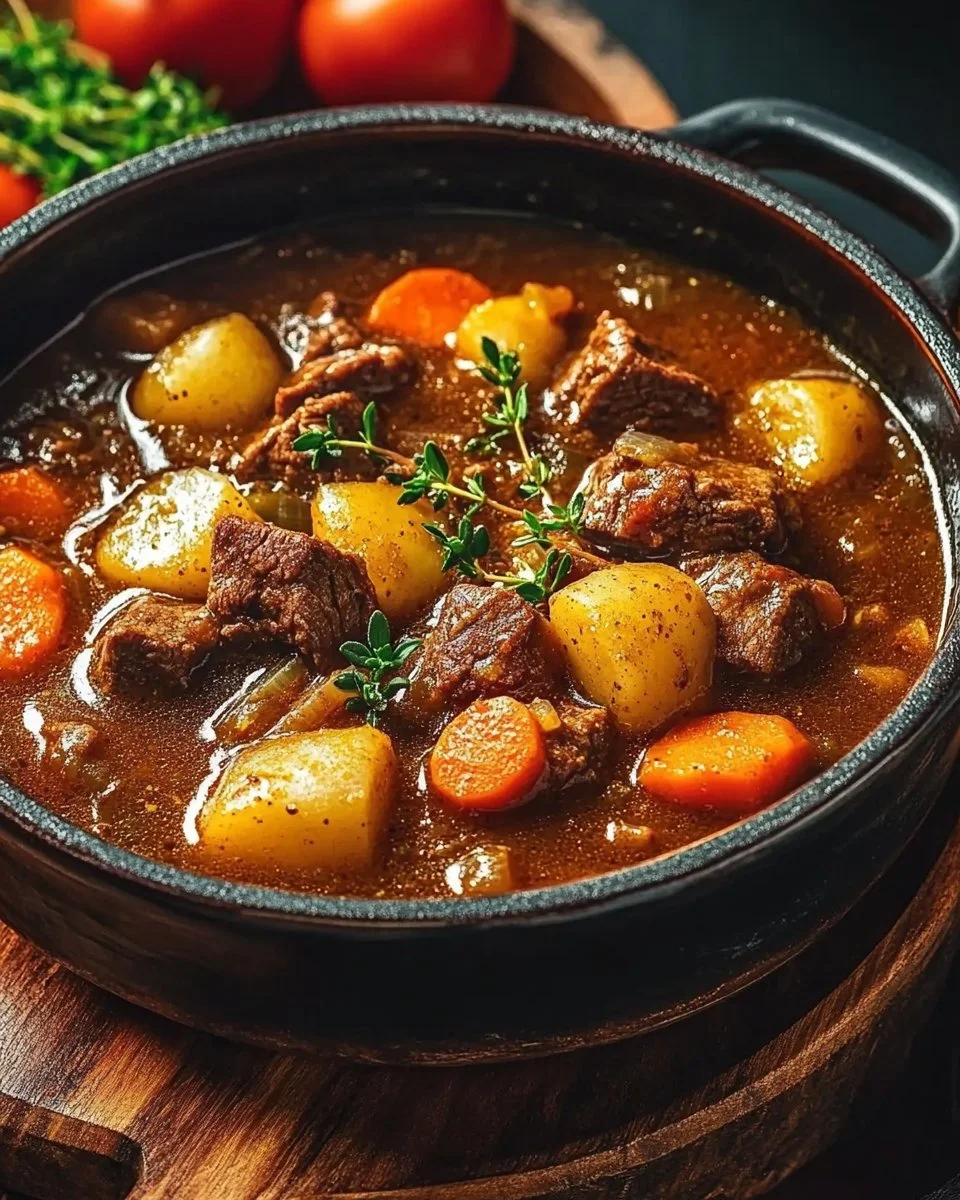
This stew carries more than flavor. It carries a place at a table where people know your name and a rhythm of Sundays that includes soft bread, steady talk, and the clink of spoons. In Southern comfort kitchens, a pot like this is both anchor and invitation. It asks for patience and gives back comfort in generous bowls.
Meanwhile, this dish links generations. My mother learned to brown beef from her mother, who learned from her own mother. Each woman added a small change: a pinch of sugar to balance acidity, a splash of vinegar for brightness, a little more thyme for the smell that always reminds us of back-porch nights. From there, the stew became less a recipe and more a family promise there will always be a warm plate waiting.
This kind of stew also speaks to thrift and care. A tough cut of beef becomes tender when given time, and humble vegetables soak up every bit of rich broth. It is the heart of Southern comfort cooking simple, slow, and wholly homemade. If you want to see how other families tuck their beef and vegetables into slow warmth, take a look at these family beef stew variations for gentle ideas.
Bringing Classic Old Fashioned Beef Stew Together With Care
“Every time this pot simmers, it feels like my mama’s kitchen all over again.”
Before you reach for the spoon, let me give you a small preview of what you are about to make. This Classic Old Fashioned Beef Stew starts with deeply browned cubes of beef, then builds a broth that smells like Sunday and feels like a slow hug. The texture is somewhere between silky and hearty the beef falling apart at the nudge of a fork and the potatoes keeping their shape, while carrots soften into sweetness.
Once you begin, you will notice the rhythm of slow cooking: brown, simmer, taste, and wait. The aroma will change as layers build, from the savory sing of seared meat to the mellow, sweet finish when the vegetables have given up their sugars to the pot. If you plan to use a crock pot or slow cooker, the same patient warmth is what transforms the stew. For tips that make crock pot versions shine, I often turn to resources like this best crock pot beef stew tips that explain timing and liquid balance.
Now, gather the right pieces. Good stew is honest and unhurried. The ingredients list that follows is simple and true, and I will add a few small notes that make the difference between ordinary and unforgettable.
What You’ll Need to Make Classic Old Fashioned Beef Stew
- 2 lbs beef chuck, cut into 1-inch cubes
Note: Choose chuck for its flavor and connective tissue that breaks down with slow cooking. - 4 cups beef broth
Note: Use low-sodium broth if you plan to season later; homemade broth is best for depth. - 4 medium carrots, sliced
Note: Peel if the skins are tough; leave them on for rustic charm if they are tender. - 3 medium potatoes, cubed
Note: Yukon Gold hold up well; russets will thicken the stew more. - 1 medium onion, chopped
Note: Yellow onion gives a sweet base; white will be cleaner and brighter. - 2 cloves garlic, minced
Note: Fresh garlic, added early, melts into the stew. Add a little more at the end for a brighter bite. - 2 tablespoons tomato paste
Note: Toast the paste a minute with the onions for a deeper, richer flavor. - 1 teaspoon dried thyme
Note: Use fresh if you have it; fold it in near the end for a fresher aroma. - 1 bay leaf
Note: A single bay leaf adds a subtle background warmth remove before serving. - Salt and pepper to taste
Note: Salt brings out other flavors. Season in layers. - 2 tablespoons vegetable oil
Note: Use real butter if you can; it gives that Sunday flavor when added at the end.
These are the bones of the dish. From there, your hands, your pot, and your memory do the rest. Keep the vegetables and beef uniform in size so they cook evenly. Meanwhile, set a heavy pot or cast iron Dutch oven within reach; the weight gives a steady, even heat that is kind to this kind of cooking.
Step-by-Step Directions
- Heat the vegetable oil in a large pot over medium-high heat.
Sear the beef cubes in batches so they brown, not steam.
Remove browned pieces and set them aside so they rest while you cook the next batch. - In the same pot, add the onion and garlic, sauté until softened.
Stir and scrape the browned bits from the bottom of the pan.
Watch for the onions to turn golden; that color brings deep flavor. - Stir in the tomato paste, then return the beef to the pot.
Cook the paste a minute until it darkens slightly and smells toasted.
The beef will pick up all the caramelized bits, and the pot will begin to smell like home. - Add the beef broth, carrots, potatoes, thyme, bay leaf, salt, and pepper.
Pour slowly and stir to lift any stuck bits into the liquid.
The mixture should come together into a cozy, simmering bath. - Bring to a boil, then reduce heat to low, cover, and simmer for 1.5 to 2 hours, until the beef is tender.
Check once or twice and skim any fat if it rises to the surface.
Taste after an hour and a half; the beef should be fork-tender and the sauce slightly thickened. - Remove bay leaf before serving. Enjoy!
Give the stew a final stir and adjust salt and pepper.
Serve in deep bowls, with hot biscuits or crusty bread to mop up every drop.
As you follow these steps, pay attention to timing cues. If your beef seems stubborn, give it more time. If the broth feels thin toward the end, simmer uncovered for a few minutes to reduce and concentrate the flavor. Each small check and stir is a gentle conversation with the pot.
Serving Classic Old Fashioned Beef Stew With Family Warmth
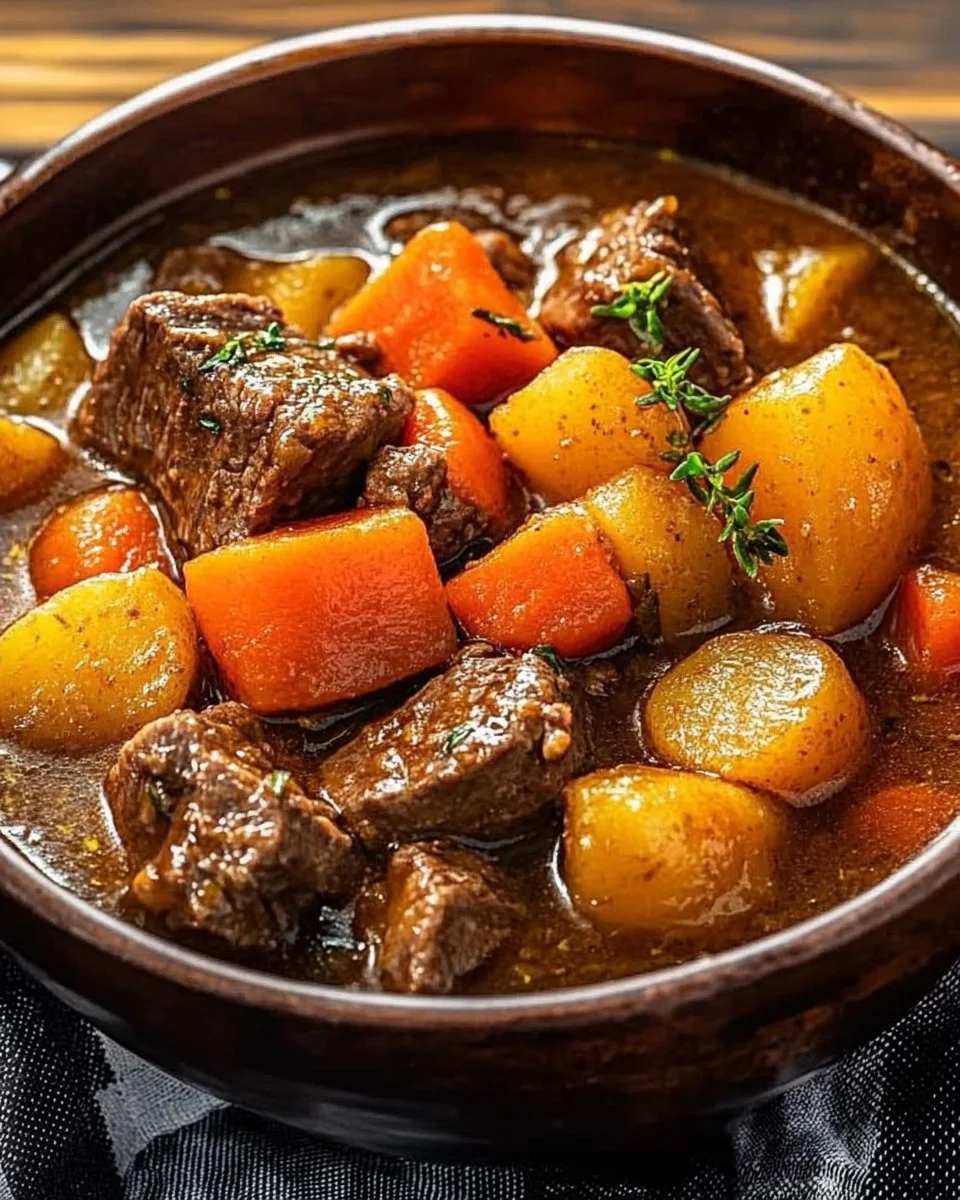
Bring the pot to the table and let the room lean in. There is a modest joy in the clumsy, loving way we ladle stew into bowls, the same way my grandmother always did. Serve with warm biscuits broken open, or a slab of cornbread that soaks up the rich broth. A simple green salad and pickles on the side add brightness to balance the depth of the stew.
Meanwhile, set out a pot of butter and a jar of pepper flakes for anyone who wants just a touch more heat. Children like to press their bread into the stew and lift it back, soaked and steaming, to see the cheese melt. Adults pass around memories instead of phones, and that rhythm of talk and taste is the real side dish.
You can also adapt the stew for a quieter supper. Spoon it over mashed potatoes for a plate that feels tucked-in and safe. Or, serve it over buttery egg noodles and watch how the noodles carry the stew like a soft blanket. If you prefer slow and low in a different way, try pairing it with what other homes love; for thoughtful pairings and make-ahead plating, these comforting crockpot beef stew pairings give practical ideas that still breathe Southern warmth.
Keeping the Comfort for Tomorrow
This stew is kind in the way it improves with a day off. Once cooled, transfer the pot to the refrigerator in an airtight container. The flavors marry overnight and the meat becomes even silkier. Reheat on the stove over low heat, stirring gently until warmed through, or use a slow cooker set to low for a gradual revival.
For longer storage, freeze individual portions in freezer-safe containers for up to three months. When you defrost, do it slowly in the fridge overnight to keep textures tender. If you find your reheated stew has loosened a little, simmer it uncovered for a few minutes to reduce. Alternatively, whisk a spoonful of cornstarch with cold water and stir it into the simmering stew to bring it back to coated, spoonable glory.
Meanwhile, keep these timing cues in mind: refrigeration keeps the stew safe for 3 to 4 days, and gentle reheating preserves the tenderness. Avoid boiling it loudly on high heat; that can make the potatoes fall apart and dull the meat’s texture. A gentle hand keeps the comfort.
Lila’s Little Lessons
- Brown in batches: Crowding the pan will steam your beef instead of browning it. Take the extra time and you will taste the difference.
- Use a heavy pot: A heavy Dutch oven or cast iron distributes heat evenly and helps maintain a low, consistent simmer.
- Taste as you go: Salt in layers, and taste toward the end so you can balance with pepper, a splash of vinegar, or a pat of butter.
- Add potatoes later: If you want firmer potatoes, add them halfway through cooking. If you like them more melded into the stew, add them at the start.
- Thicken with care: If the stew needs thickening, mash a few potato cubes against the side of the pot or use a cornstarch slurry. Avoid flour-only roux if you want to keep that clear, glossy broth.
These are small habits that became family rituals. Over the years, I learned to trust the sound of the simmer and the smell of the pot more than any precise minute on a clock. That trust is what slow cooking gives you: confidence to let time do the work.
Family Twists on Classic Old Fashioned Beef Stew
Different parts of the South and different families have their own little signatures. Some of my cousins add a splash of Worcestershire sauce for deeper umami. My aunt always tosses in a handful of pearl onions near the end for a pearl-like bite. A few kitchens dust in a pinch of smoked paprika when they want a hint of smoke without firing up the grill.
Meanwhile, some families adapt this to a crock pot or slow cooker. If you go that route, brown the meat first and then move everything to the crock. Cook on low for 6 to 8 hours, and add potatoes in the last two hours so they do not disintegrate. A slow cooker gives you another kind of comfort: the rhythm of leaving and returning to a house that smells like someone was thinking of you all day.
Other regional variants might add okra for a Southern twist, or a small turn of hot sauce at the table for guests who like a little bite. Some households prefer a wine-enhanced broth, while others keep it simple and faithful to the beef and root vegetables. No matter the twist, the heart remains the same: it is a pot meant to feed people and hold stories.
FAQs About Classic Old Fashioned Beef Stew
Can I make this ahead of time?
Yes, and truth be told, it might taste even better the next day. Southern flavors settle and sing after resting overnight. Reheat gently and taste before serving.
Can I use other cuts of beef?
You can. Chuck is ideal because it becomes tender and juicy. Brisket will also work but watch the cooking time and cut against the grain. Stew meat from the store may include leaner cuts; give it a bit more time to soften.
Is a slow cooker or stovetop better?
Both work. A stovetop Dutch oven gives you more control and a slightly deeper crust from searing. A slow cooker gives you ease and the same soulful results if you brown the meat first.
How do I avoid mushy vegetables?
Cut vegetables uniformly and add them based on how soft you want them. Potatoes and carrots differ in density; adding potatoes later preserves their shape.
Can I thicken without flour?
Yes. Mash a few potato pieces into the broth or use a cornstarch slurry. Simmering uncovered to reduce the liquid is another clean way to thicken naturally.
Conclusion
A bowl of Classic Old Fashioned Beef Stew is more than dinner. It is a way to gather and to remember, a slow stitch between past and present. If you want another beautifully told stovetop version with video to watch, this Old Fashioned Beef Stew Recipe (Classic Stovetop) + Video – TSRI pairs well with the methods I share here. For a journalistic take down to precise technique and measurements, you may also enjoy this Old-Fashioned Beef Stew to compare notes and deepen your confidence.
Until the next Sunday supper, may your kitchen smell like browned meat and warm bread, and may your table always have a seat for someone who needs comfort.
Print
Classic Old Fashioned Beef Stew
- Total Time: 140 minutes
- Yield: 6 servings 1x
- Diet: Gluten-Free
Description
A warm and hearty beef stew that brings comfort and memory, perfect for family gatherings.
Ingredients
- 2 lbs beef chuck, cut into 1-inch cubes
- 4 cups beef broth
- 4 medium carrots, sliced
- 3 medium potatoes, cubed
- 1 medium onion, chopped
- 2 cloves garlic, minced
- 2 tablespoons tomato paste
- 1 teaspoon dried thyme
- 1 bay leaf
- Salt and pepper to taste
- 2 tablespoons vegetable oil
Instructions
- Heat the vegetable oil in a large pot over medium-high heat.
- Sear the beef cubes in batches until browned, then set aside.
- In the same pot, sauté onion and garlic until softened.
- Add the tomato paste and cook for a minute until darkened.
- Return the beef to the pot and stir to combine.
- Add beef broth, carrots, potatoes, thyme, bay leaf, salt, and pepper. Stir to combine.
- Bring to a boil, reduce heat, cover, and simmer for 1.5 to 2 hours until beef is tender.
- Remove bay leaf before serving and adjust seasoning as needed.
Notes
This stew improves with time; it tastes even better the next day after resting. Serve with warm biscuits or crusty bread.
- Prep Time: 20 minutes
- Cook Time: 120 minutes
- Category: Main Course
- Method: Stovetop
- Cuisine: Southern
Nutrition
- Serving Size: 1 serving
- Calories: 420
- Sugar: 6g
- Sodium: 550mg
- Fat: 15g
- Saturated Fat: 5g
- Unsaturated Fat: 8g
- Trans Fat: 0g
- Carbohydrates: 40g
- Fiber: 5g
- Protein: 30g
- Cholesterol: 80mg