I remember the late afternoon light falling across my mother’s table the first time I learned to make a simple stir of noodles and vegetables that our family would call Quick and Easy Chow Mein. The air smelled of garlic and warm soy, and the sound of the kitchen timer mixed with my brother’s laughter as he set the table.
That small, steaming skillet felt like an old quilt: familiar, patched together by years of small changes, and wrapped in a quiet comfort. In that moment, I understood how a humble dish can hold a family’s stories and keep the kitchen feeling like a welcome place. If you love easy, homemade meals or want a quick path to Southern comfort in a weeknight supper, this Quick and Easy Chow Mein will feel like home.
I share this dish here because it fits those slow, steady moments of Southern cooking even when it moves fast. It pairs well with slow cooker stews and crock pot favorites when you need two kinds of comfort on the same evening. If you have an old recipe box or a pan stained with memory, this chow mein will slide right in. For ideas on hearty, slow-simmered mains that pair beautifully with a light noodle supper, you can find inspiration among other family-style recipes like those in my collection of beef and pork dishes at hearty beef and pork recipes.
Why Quick and Easy Chow Mein Still Feels Like Home
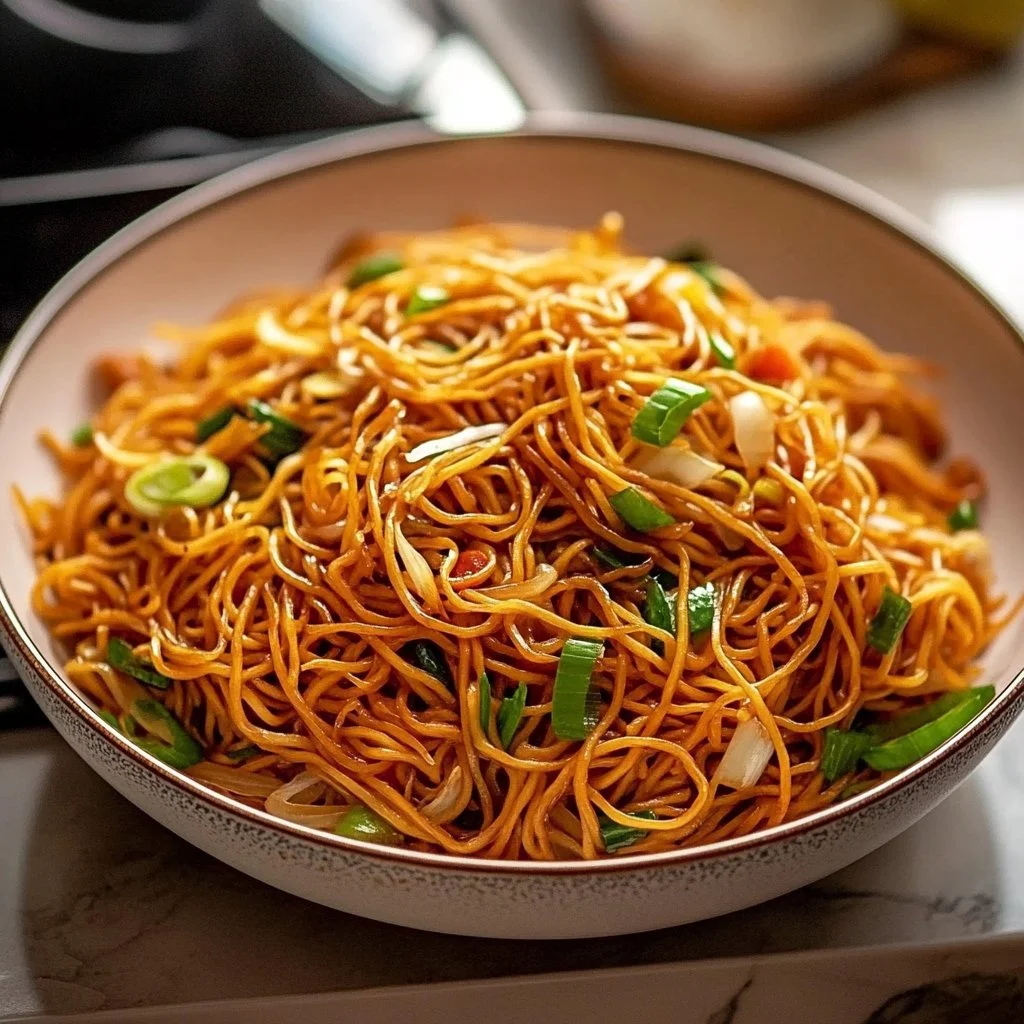
There is a small, steady art in making food that comforts. Quick and Easy Chow Mein matters in Southern kitchens because it brings together what we treasure: speed without losing soul, memory without fuss. In many homes, supper is both a practical ritual and a gathering of story. This recipe is the kind of dish you pull together on a weekday with the same tenderness you reserve for a Sunday supper.
My mother used to tell me that the right balance of salt and sweetness in a sauce can remind you of your grandmother’s hands. That tactile sense, the rhythm of the spatula, and the warmth from the stove all fold into the dish. The noodles take just enough flavor to feel like an embrace. The vegetables add color and a small snap of freshness that keeps the meal from leaning into heaviness.
In our family, dishes like this carried us through changes. When someone moved away or came home from work late, this chow mein was on the table, ready to be shared. It is simple enough to make every night, and comforting enough to feel like care for someone you love. Meanwhile, if you are also planning a pot roast or a slow-cooked side, the same kitchen can run a crock pot and a skillet at once, filling the house with a layered warmth that only slow and quick cooking together can bring.
The cultural thread here is gentle. This recipe borrows from wider traditions, then settles into our Southern way of sharing food. We adapt, we season with memory, and we pass it on without fuss. For quick weeknight inspiration that still feels like a real meal, try pairing this with some of the dump-and-go ideas that make busy evenings softer at simple, comforting dump-and-go recipes.
How to Make Quick and Easy Chow Mein
“Every time this pot simmers, it feels like my mama’s kitchen all over again.”
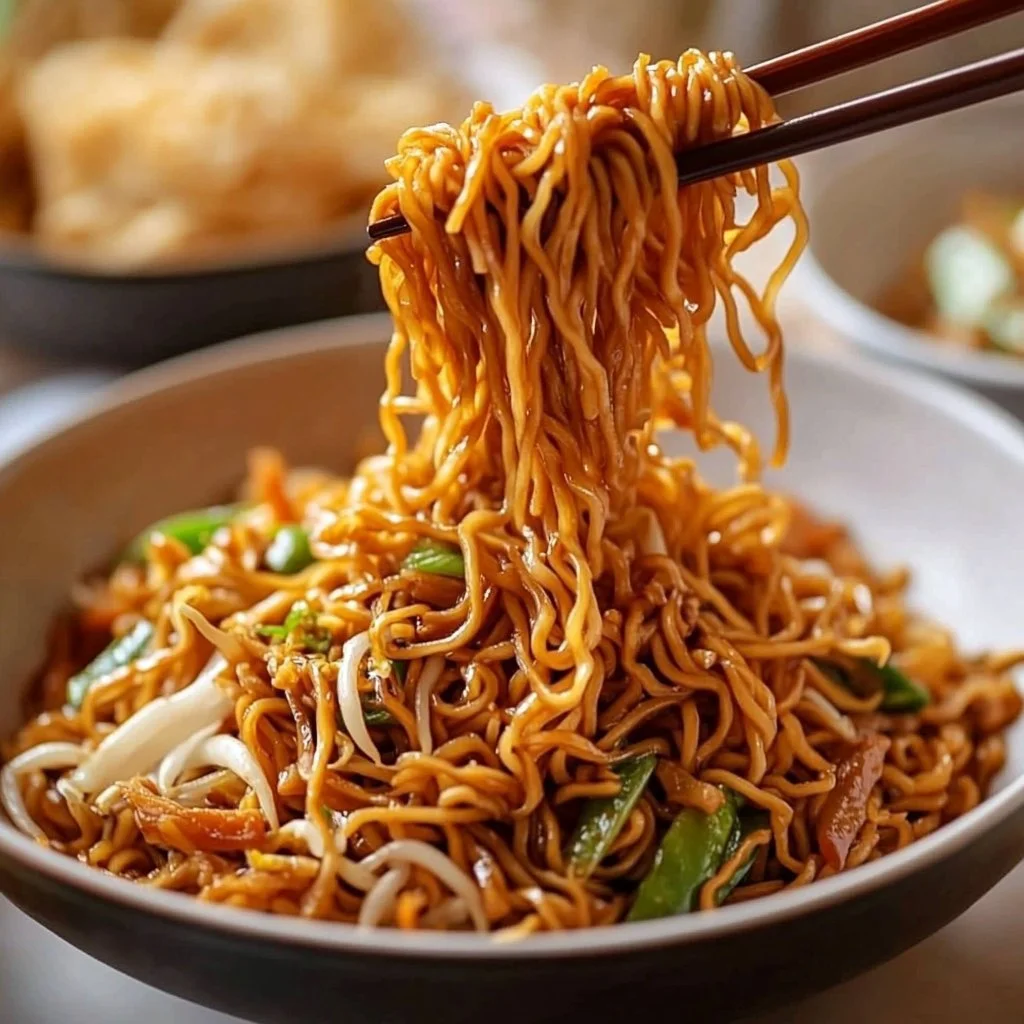
Before we list the ingredients and step into the pan, I want you to imagine the kitchen for a moment. The noodles are pale, glossy strands that will soak a little sauce and keep their bite. The vegetables will gleam with a steamed-sauté brightness. The garlic and ginger scent the oil and lift the whole pan. The rhythm is short: boil, stir, toss. It is quick, but it is made with the same careful attention you give a slow-cooked pot of beans or a long-simmered gravy.
This is the kind of recipe that benefits from the same common-sense timing used in slow-cooker meals. Heat matters, and so does patience for small moments. A few seconds to bloom the garlic, a minute to coax the vegetables to crisp-tender, and then a quick toss of noodles that brings it all together. From there, you have an easy supper that carries a quiet comfort I like to call Southern calm.
Some cooks like to add a splash of sesame oil at the end for depth. Others keep it plain and let the green onions bring the fresh finish. Both ways are right, because comfort food is personal. As you cook, notice the little shifts: the sizzle when noodles touch hot oil, the way soy darkens the noodles, the way steam drifts from the pan. Those small sensory cues tell you the dish is coming together.
Gathering the Ingredients
8 oz chow mein noodles
2 cups mixed vegetables (bell peppers, carrots, snap peas)
2 tablespoons soy sauce
2 cloves garlic, minced
1 teaspoon ginger, minced
2 tablespoons vegetable oil
Salt and pepper to taste
Green onions for garnish (optional)
Notes:
- Use fresh ginger if you can; it makes the dish sing.
- If you have real butter on hand, a small pat at the end warms the flavors and gives that Sunday feeling.
- Frozen mixed vegetables work fine when you are in a hurry, but drain them well so the noodles do not go soggy.
- For a gluten-free option, choose tamari instead of soy sauce.
These ingredients are simple and honest. They ask for little fuss, and they return a lot of comfort. The chow mein noodles provide the structure, the vegetables bring brightness and texture, and the aromatics do the quiet work of flavor. This balance is what keeps the dish feeling like a homemade hug.
Step-by-Step Directions
- Cook the chow mein noodles according to package instructions. Drain and set aside.
Let the noodles rest so they do not break when tossed later. A quick rinse will keep them from sticking. - Heat the vegetable oil in a large skillet or wok over medium-high heat.
Watch for a thin shimmer across the pan before you add anything. That is the cue that the oil is ready. - Add the garlic and ginger, and stir-fry for about 30 seconds until fragrant.
Move them quickly so they soften without burning. The scent should rise and make the room feel warmer. - Add the mixed vegetables and stir-fry for 2-3 minutes until they are crisp-tender.
Stir as they cook so the edges color gently but the center keeps a snap. The smell should be fresh and bright. - Add the cooked noodles to the skillet along with the soy sauce, salt, and pepper. Toss everything together and cook for another 2-3 minutes until heated through.
Stir until the sauce lightly coats the noodles and the edges take on a glossy sheen. The noodles should be warm and slightly chewy. - Serve hot, garnished with green onions if desired.
Plate immediately so the noodles keep their texture. The onions add a final lift of color and aroma.
These directions are short and steady by design. The goal is to keep the cooking simple and clear, mirroring the way Southern kitchens value both plain dealing and warm results. If a family member likes extra heat, add a small pinch of crushed red pepper at step five. If you want a richer mouthfeel, a teaspoon of toasted sesame oil off the heat will do the trick.
Serving Quick and Easy Chow Mein With Family Warmth
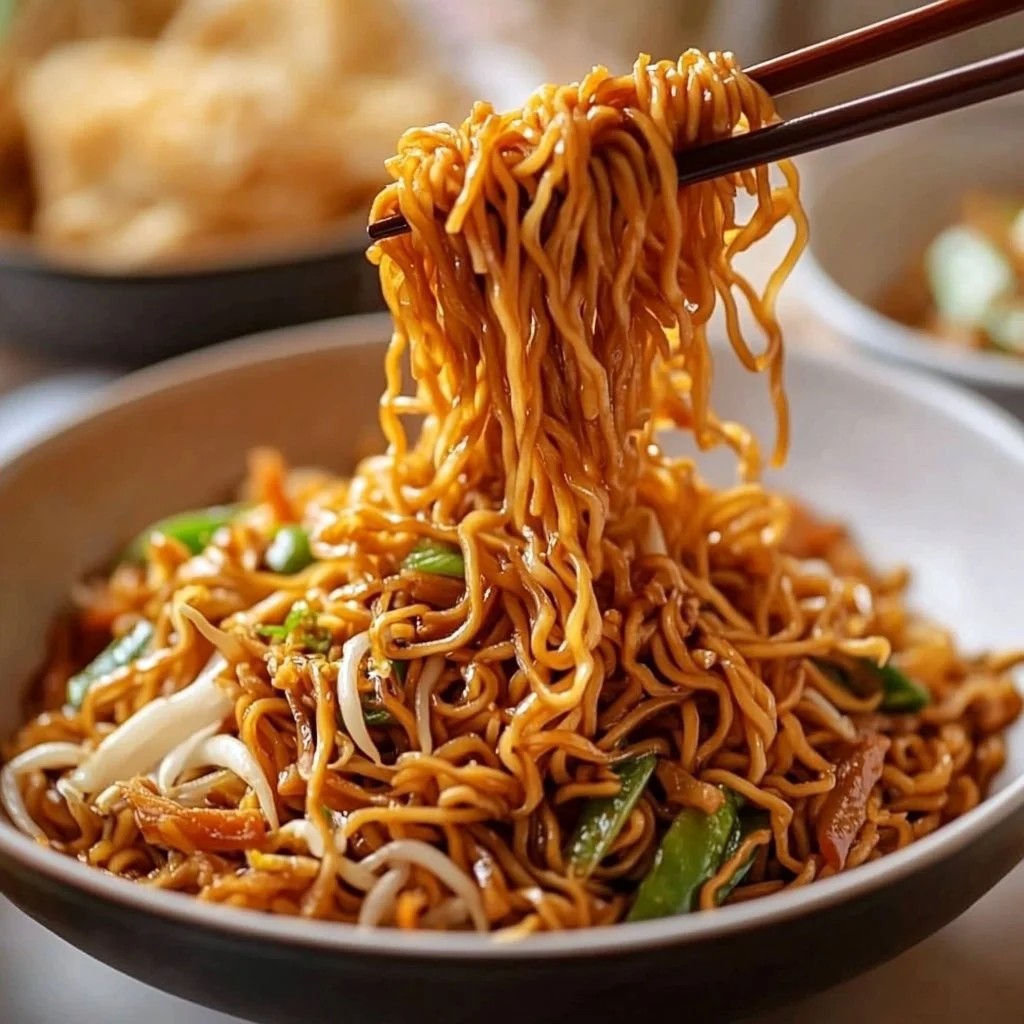
Set the skillet on a trivet and let everyone serve themselves. I like a shallow bowl for this meal because it holds the noodles and the sauce close to the spoon, inviting slow conversation. Lay out a small dish of chopped green onions and perhaps a little extra soy for anyone who likes stronger seasoning.
Pair this chow mein with simple sides that feel like a Southern table. A crisp cucumber salad, a bowl of quick-pickled vegetables, or a plate of warm, buttered rolls will round the meal in a gentle way. If you are serving a heartier main from the crock pot, the noodles make a bright partner to richer, slow-cooked meat. The contrast between a slow cooker stew and quick noodles is a kitchen harmony I have loved for years.
At the table, invite sharing. A plate passed clockwise, a small hand reaching for a piece of noodle, and the sound of forks on plates are the little rituals that stitch a house into a home. Bring a pitcher of sweet tea or lightly brewed green tea and let the clink of glasses be part of the chorus. The point is presence: a simple meal becomes a memory when shared without hurry.
For larger gatherings, double the recipe and serve from the skillet in the center. People will appreciate the plain goodness of the dish and the familiar scents. And afterward, when the kitchen settles and the plates go to the sink, the warmth will linger in the same quiet way as a slow-cooked pot.
Keeping the Comfort for Tomorrow
One of the gentle truths of good cooking is that flavors settle and deepen with time. Quick and Easy Chow Mein holds up well in the refrigerator. Store leftovers in an airtight container for up to three days. The noodles will soften somewhat, but the overall flavor will mellow into a familiar, homey tone.
When reheating, use a skillet over medium heat. Add a tablespoon of water or oil and toss the noodles until they are heated through. This refreshes their texture more kindly than zapping them in the microwave. If you prefer the microwave, add a damp paper towel over the container and heat in short bursts, stirring in between, to keep moisture even.
If you plan to freeze leftovers, separate the noodles from any delicate toppings like green onions. Freeze in a shallow container to speed thawing, and use within one month for the best texture. Once thawed, reheat gently in a skillet and add a splash of soy or a small pat of butter to revive the flavors.
When you reheat this chow mein the next day, you may notice the flavors have settled into a softer, more integrated taste. That is the same kind of magic you find in leftover slow-cooked stews. From there, you can enjoy the depth without losing the ease that made the dish part of your week.
Lila’s Little Lessons
- Use the right heat. Medium-high heat gives you a good sear on the vegetables without burning the aromatics. The pan should be hot but not smoking.
- Timing is your friend. Garlic and ginger cook quickly. Add them just long enough to release their fragrance; burnt garlic tastes bitter and cuts through the whole dish.
- Texture matters more than perfection. Keep vegetables crisp-tender and noodles with a little bite. That contrast is part of what makes this meal feel balanced.
- Simple swaps work. If you do not have chow mein noodles, use thin egg noodles or thin spaghetti. They will not be exactly the same, but the heart of the dish remains.
- Finish with small gestures. A pat of butter or a drizzle of toasted sesame oil off the heat makes the meal feel like a small, deliberate gift.
These tips come from years of cooking in a kitchen where time is often short and care is never optional. They are the kind of common-sense advice that keeps a recipe reliable and a table constant.
Family Twists on Quick and Easy Chow Mein
Our family has a few small ways to make this dish sing. Some folks add a can of drained water chestnuts for a crisp surprise. Others like to toss in shredded rotisserie chicken for a quick protein boost that feels like Sunday leftovers given new life.
In the coastal parts of the South, you might find a splash of oyster sauce or a few sautéed shrimp folded into the noodles. Inland, some folks prefer to add a spoon of molasses or brown sugar for a faintly sweet counterpoint that echoes Southern barbecue flavors. No matter the twist, the heart of the dish stays the same: a fast, forgiving stir of noodles and vegetables that welcomes whatever you have on hand.
For slow-cooker lovers, you can set aside a portion of cooked proteins from a crock pot roast and fold them into the noodles at the end. This makes for a gentle blend of slow and quick techniques that layer warmth and convenience. From there, the meal becomes part of a larger rhythm of cooking that feels practical and tender.
Every family will adapt the recipe a little. A sprinkle of crushed peanuts, a few long chives instead of green onions, or a dash of hot sauce on the side can make the dish distinctly yours. Encourage small experiments and keep the core routine simple. That way, the recipe remains both a foundation and a canvas.
FAQs About Quick and Easy Chow Mein
Can I make this ahead of time?
Yes, and truth be told, it might taste even better the next day. Flavors settle and sing like a slow-cooked pot. Store in the fridge and reheat gently.
Can I add meat or tofu?
Absolutely. Cook bite-sized pieces separately and fold them in at step five. A little reserved cooking oil or sauce will help them blend with the noodles.
What if I only have frozen vegetables?
Frozen vegetables work fine. Thaw and drain them slightly so the noodles do not get waterlogged. Add a touch more oil if needed when stir-frying.
Is this suitable for a gluten-free diet?
Use gluten-free chow mein noodles or thin rice noodles and swap soy sauce for tamari. The flavors will stay honest and welcoming.
Can I make this in a wok?
Yes. A good wok makes it easy to toss the ingredients quickly. Heat the wok until it is hot and proceed with the same timing cues.
A Final Thought
There is a small pleasure in feeding someone simply and well. Quick and Easy Chow Mein is not a grand dish, but it is steady and sincere. It asks you only for a little attention and returns a warm plate and a fuller heart. When you make this recipe, you are carrying on a practice as old as family tables: to gather, to cook, and to share.
This dish sits comfortably between slow and quick. It can stand beside a slow-cooker stew or be the whole supper for a night when you need simple comfort. Each time you stir, you are making a gentle choice to create space for family, for stories, and for the ordinary grace of a shared meal.
Conclusion
If you want a fuller version of chow mein with a little extra technique, I often look to other cooks’ takes for inspiration, such as the detailed notes in the Tastes Better From Scratch easy chow mein recipe. For another quick, weeknight-friendly approach, take a look at the speedy version at Lauren’s Latest 15-minute chow mein.
Thank you for letting me share this humble recipe. May your next bowl of Quick and Easy Chow Mein be warm, bright, and full of the soft comfort of home.
Print
Quick and Easy Chow Mein
- Total Time: 20 minutes
- Yield: 4 servings 1x
- Diet: Vegetarian
Description
A comforting and quick meal of stir-fried noodles and vegetables, perfect for busy weeknights.
Ingredients
- 8 oz chow mein noodles
- 2 cups mixed vegetables (bell peppers, carrots, snap peas)
- 2 tablespoons soy sauce
- 2 cloves garlic, minced
- 1 teaspoon ginger, minced
- 2 tablespoons vegetable oil
- Salt and pepper to taste
- Green onions for garnish (optional)
Instructions
- Cook the chow mein noodles according to package instructions. Drain and set aside.
- Heat the vegetable oil in a large skillet or wok over medium-high heat.
- Add the garlic and ginger, and stir-fry for about 30 seconds until fragrant.
- Add the mixed vegetables and stir-fry for 2-3 minutes until they are crisp-tender.
- Add the cooked noodles to the skillet along with the soy sauce, salt, and pepper. Toss everything together and cook for another 2-3 minutes until heated through.
- Serve hot, garnished with green onions if desired.
Notes
Use fresh ginger for the best flavor. Frozen mixed vegetables work fine if drained well. For a gluten-free option, use tamari instead of soy sauce.
- Prep Time: 10 minutes
- Cook Time: 10 minutes
- Category: Main Course
- Method: Stir Fry
- Cuisine: Southern
Nutrition
- Serving Size: 1 serving
- Calories: 350
- Sugar: 5g
- Sodium: 600mg
- Fat: 12g
- Saturated Fat: 2g
- Unsaturated Fat: 10g
- Trans Fat: 0g
- Carbohydrates: 45g
- Fiber: 3g
- Protein: 10g
- Cholesterol: 0mg