
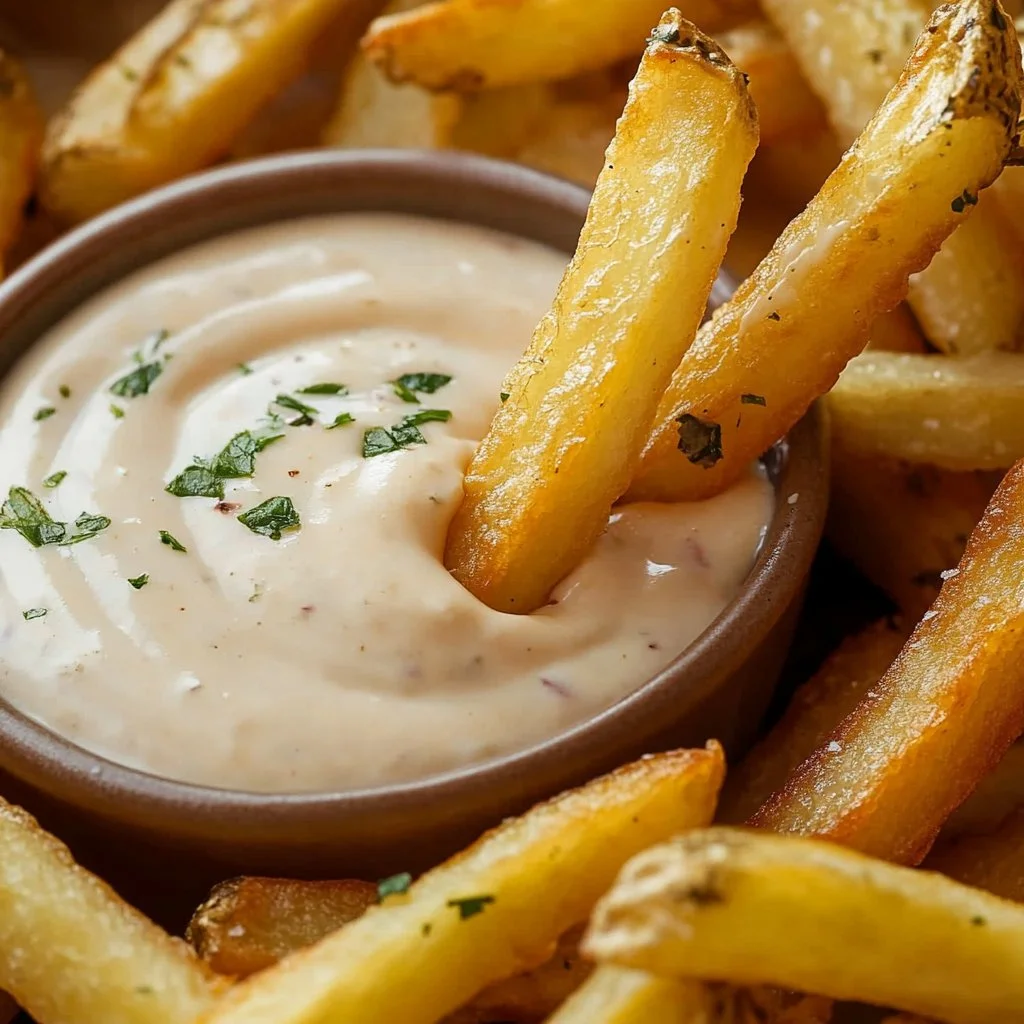
I remember the first time I watched my mama make Homemade Aioli. The kitchen window let in a slim ribbon of afternoon light that dusted the counter where she kept a small jar of mayonnaise and a garlic bulb so old it looked like a little white lantern. She crushed the garlic with the flat of a knife, and that sharp, warm scent rose up, filling the room the way a hymn fills a chapel.
We sat on the back steps, and she told me stories of river picnics and slow Sunday suppers, her hands moving steady and sure. That smell, the way the sauce clung to the spoon, and the hush as everyone dipped their food made the moment feel like a small, secret prayer for comfort.
Why Homemade Aioli Still Feels Like Home
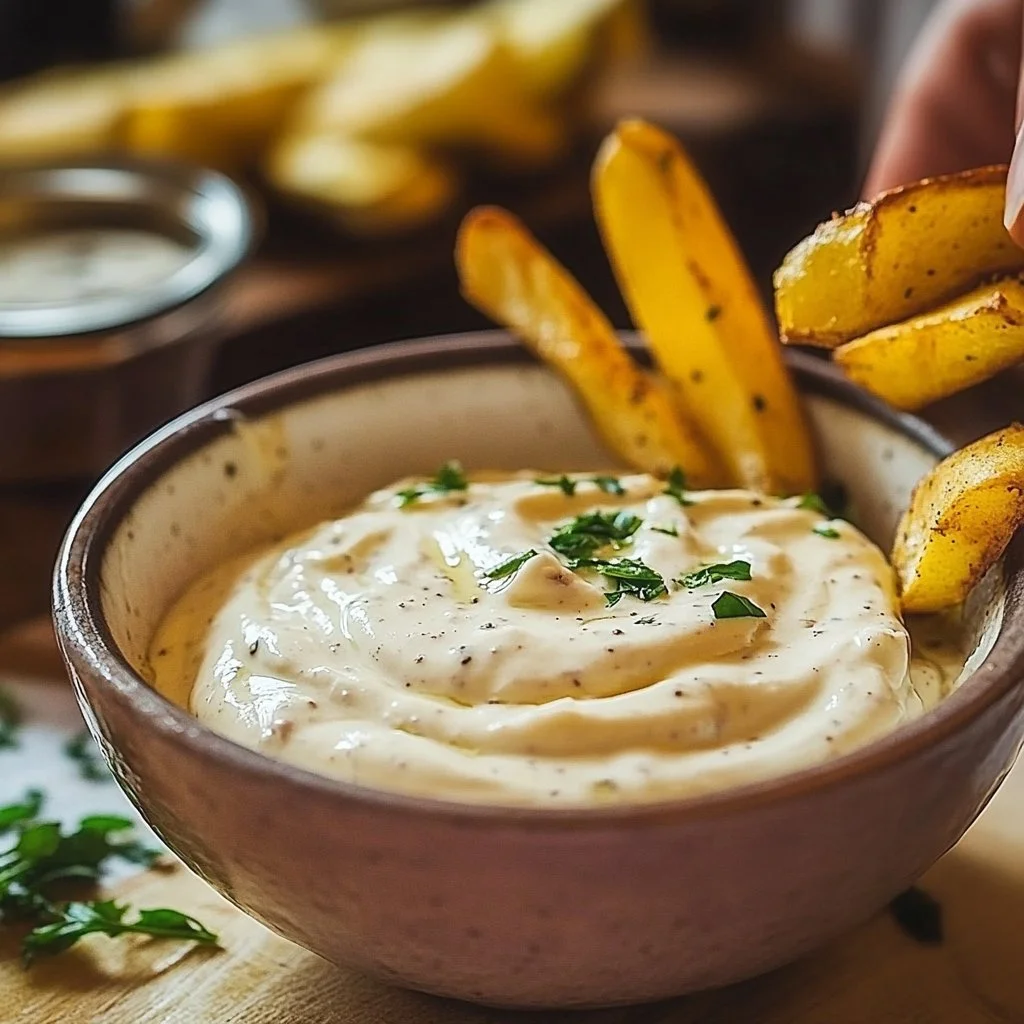
Homemade Aioli is more than a sauce. It is a small act of care that ties a meal to memory. In our Southern kitchens we lean into things that take time and attention, even when the recipe itself takes minutes. The act of stirring, of tasting, and of slowing down is what makes it feel like home.
When I say Homemade Aioli, I think of porch swings, of a crock pot bubbling in the mornings with a slow-cooked stew for supper, and a little jar of aioli waiting to lift each bite. It pairs with fried green tomatoes, hush puppies, roasted sweet potatoes, and a hot biscuit pulled apart at the table. It lives beside the bread basket and beside the pot roast that has been cooking all afternoon. This sauce links generations because every family adds one small thing that makes it theirs. My grandmother added a touch of smoked paprika. My cousin adds a sprig of fresh tarragon when the garden gives plenty.
This simple sauce holds a cultural place in Southern comfort. It is a bridge between quick weeknight meals and the slow, steady rhythms our family kitchens have loved for years. Making aioli at home tells the people at your table that you took time for them, and in the South time is one of our best ingredients.
Bringing Homemade Aioli Together With Care
“Every time this pot simmers, it feels like my mama’s kitchen all over again.”
Before we list what you will need, let me give you a gentle overview. Aioli is creamy and bright. The garlic should taste bold without biting harshly. Lemon juice should wake the sauce, and Dijon mustard will add a soft, lingering tang that smooths everything together. The texture should be thick enough to cling to fries or a spoon, but smooth enough to spread on bread. Even though this sauce is made quickly, move through it with the slow, calm rhythm you use for a crock pot stew. Let each step sit with intention as you breathe in the scent of garlic and lemon, and feel the spoon move through the sauce.
Smell is a good guide. If the garlic sings too loudly, let the aioli rest in the fridge for an hour. If the lemon fades, add a quarter teaspoon at a time until it brightens. Once you know these cues, you will find the timing and rhythm come naturally.
What You’ll Need to Make Homemade Aioli
1 cup mayonnaise
3 cloves garlic, minced
1 tablespoon lemon juice
1 teaspoon Dijon mustard
Salt and pepper to taste
Notes:
- Use a good quality mayonnaise for the cleanest flavor. If you make your own, even better; it gives a fresh, home-tended taste.
- If your family likes a deeper richness, a spoonful of real butter can soften the bite and give that Sunday flavor.
- Choose fresh garlic. Old garlic can be dull and dry, and the sauce loses its warmth.
- If you want a thinner aioli for drizzling, add a teaspoon of warm water at a time until you reach the texture you like.
Step-by-Step Directions
- In a bowl, combine the mayonnaise, minced garlic, lemon juice, and Dijon mustard.
Use a wooden spoon or a whisk and move with steady strokes. The garlic should smell bright and alive as you mix. - Stir until smooth.
Stir until the sauce thickens slightly and all the ingredients melt into one another. The surface should look glossy and even. - Season with salt and pepper to taste.
Add a pinch of salt, taste, and then a small grind of black pepper. Season slowly and taste between additions. - Adjust garlic and lemon juice to your preference.
If the garlic is too strong, let the mixture sit in the fridge for an hour. If the lemon is faint, add another quarter teaspoon and stir again. - Serve as a dip or condiment for various dishes.
Spoon into a small bowl and place it on your table next to roasted vegetables, fried fish, or warm biscuits. The aioli should be cool and inviting against hot food. - For a smoother finish, let the aioli rest covered in the refrigerator for at least thirty minutes.
This rest time helps the flavors marry and softens the raw edge of garlic so the aioli tastes rounded and homey. - If you like herbs, fold in a tablespoon of chopped fresh parsley or chives right before serving.
Herbs add a soft, green note without stealing the heart of the sauce. - When pairing with hot, slow-cooked dishes, spoon the aioli on the side rather than on top.
This keeps the sauce from breaking under heat and lets each person decide how much comfort they want on their plate.
Serving Homemade Aioli With Family Warmth
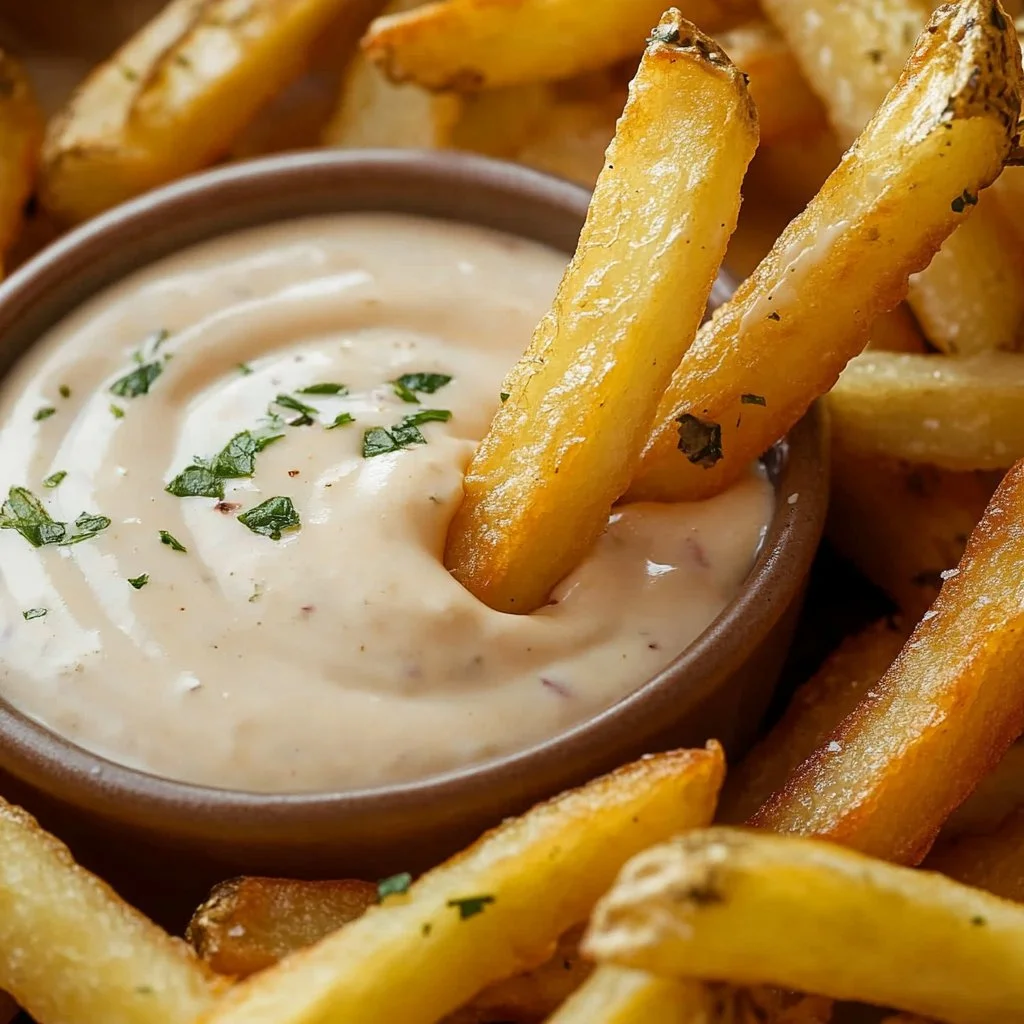
There is a way the table looks when the aioli comes out. The light should be soft. Someone will clear a plate for the smaller folks and someone else will laugh at a story that started in the kitchen and ended up at the table. Aioli sits in a small bowl or jar, and hands reach for it with biscuits, fries, roasted carrots, or fried catfish. Someone always says, “Pass the sauce,” in that half-sing-song voice we use at home.
Pair this aioli with a slow cooker pot roast for a contrast of textures. Let the meat rest while you slice. Offer aioli with crisp garden vegetables, with warm corn muffins, or as a dip for air-fried shrimp. It brightens the deep, unhurried flavors of Southern comfort and gives a fresh moment between rich bites. When the children dip their vegetables and the elders break a quiet smile, you will see why small things like this matter.
If you are serving for a crowd, place two bowls at opposite ends of the table so the warmth spreads. Sprinkle a light pinch of smoked paprika on top for color, or lay a single sprig of thyme across the bowl like a small invitation. The smells, the sounds, and the way everyone leans in are the true side dishes to a meal like this.
Keeping the Comfort for Tomorrow
Aioli stores well in the refrigerator. Cover it tightly and place it on a middle shelf where the temperature stays steady. It will keep for up to five days if made with fresh ingredients and refrigerated promptly.
Do not freeze aioli. The texture will separate and become grainy as it thaws. Instead, make smaller batches or refresh an older batch by stirring in a small spoon of fresh mayonnaise and a pinch of lemon juice. This helps bring back the creaminess.
When you pull it from the fridge, let it sit at room temperature for ten to fifteen minutes before serving. Cold aioli straight from the fridge can suppress flavors. Allow the lemon and garlic to wake up again in that short sit-down time. If you paired the aioli with slow-cooked dishes from your crock pot or slow cooker, remember the sauce should remain cool so each bite has the contrast of warm and cool that feels comforting and balanced.
If you plan to make aioli ahead for a picnic, keep it in an insulated cooler with a block of ice. Place it in a sealed container to avoid cross-flavor with picnic fare. The flavors often deepen a bit overnight, so when you open the container the next day, the garlic and lemon will have had time to marry to that slow, Southern kind of comfort.
Quiet Tips & Tricks
- Always taste as you go. A little lemon or another pinch of salt can lift the whole sauce. Trust your mouth.
- If your aioli tastes too sharp, stir in a small spoonful of honey or a tiny bit of butter for balance. This is not about making it sweet, but about rounding edges like we do with slow-cooked gravy.
- Use a mortar and pestle to crush garlic if you want a more silky texture. It releases the oil in the garlic more gently than a knife.
- If you like a smoky note, add a whisper of smoked paprika or fold in a teaspoon of chipotle in adobo. Use sparingly; Southern food loves a gentle hand with spice.
- If someone in your house prefers less garlic, halve the amount of garlic and add thin slices of roasted garlic for a softer, caramelized taste.
These are the small lessons that keep a kitchen steady. I learned them standing on a stool beside my mother while she stirred, watched, and corrected with a smile. Practical things like timing and tools make the sauce dependable, while small touches like a pinch of something unexpected keep it beloved.
Family Twists on Homemade Aioli
Every family adds its own turn to aioli. Around our table, we often add a tablespoon of creamed horseradish when we serve beef. It wakes the meat with a gentle heat that feels old and honest. Down the road a cousin stirs in a spoonful of whole grain mustard for texture and a little rustic bite.
In low country kitchens, you may find aioli spiked with a touch of Old Bay for seafood platters. In hill country houses, a sprig of rosemary crushed into the sauce gives it a piney breath that goes well with roasted root vegetables. If your family loves the slow cooker, try spooning aioli beside pulled pork done low and long in the crock pot. Let guests add the aioli to their own sandwiches so the pork stays warm and the sauce keeps its creamy life.
We also keep a jar of herb aioli with basil in the summer and tarragon in the spring. Herbs change the story of the sauce but the heart remains: it is a small, tender thing that brings the table together.
Lila’s Little Lessons
- Respect the garlic. Fresh garlic is alive. Mince it fine, or crush it with salt to soften its edge. Taste as it rests.
- Let flavors marry. Cover the aioli and let it sit for a bit. This quiet time does as much as stirring.
- Use the right tools. A wooden spoon, a small whisk, or a mortar and pestle will give you better control than a blender when you want that home-tended texture.
- Keep it cool. Aioli is meant to be a cool companion to warm food. Serve it from the fridge or let it sit briefly to take the chill off.
- Make small changes and keep a note. When a cousin adds cayenne or a neighbor swears by smoked salt, try only a small amount and write it down. Taste will teach you what to keep.
These are small pieces of kitchen wisdom that feel like inheritance. I give them to you as I received them softly, with an invitation to make them yours.
Our Regional Touch
In the deeper South, aioli often arrives alongside fried foods and barbecue. It cuts through fat and comforts salty bites. In coastal kitchens, we use it with steamed crab or as a bright dip for grilled shrimp. In Appalachian houses, aioli might be spread on cornbread served beside a pot of beans. Each place folds this simple sauce into its own story.
Try a Southern twist that nods to both land and sea: add a teaspoon of shrimp stock left from a boil or a small spoon of cornmeal toasted and whisked in for a tiny textural lift. These additions keep the sauce rooted in the place you make it, so every table feels like where you belong.
FAQs About Homemade Aioli
Can I make this ahead of time?
Yes, and truth be told, it might taste even better the next day. That is how Southern flavors settle and sing. Make it in the morning for an evening meal and let it rest in the fridge.
How long will Homemade Aioli keep?
Stored in an airtight container in the refrigerator, it will keep for up to five days. Always smell it before serving. If it smells off or looks separated, make a fresh small batch.
Can I use roasted garlic instead of raw garlic?
You can. Roasted garlic gives a sweeter, gentler garlic note that is lovely with roasted vegetables or on sandwiches. Use one whole small head of roasted garlic in place of the raw cloves for a mellow flavor.
Is aioli the same as mayonnaise?
They are cousins. Mayonnaise is the creamy base often made of oil and egg. Aioli is mayonnaise with a pronounced garlic and lemon character. Homemade Aioli brings the fresh garlic forward and feels more like a crafted condiment than store-bought mayo.
Can I put aioli on hot food?
Yes, but serve it on the side wherever possible. Heat can make the sauce thin or cause it to separate. When paired with slow-cooked meats from your crock pot, keep the aioli cool so each bite holds contrast.
A Supper That Brings Everyone Closer
There is something so gentle about the way Homemade Aioli creates moments. A spoonful passed around can quiet a small room, make people smile at a memory, and draw conversation to where it matters. At the end of a long day, when the slow cooker hums and the biscuits rise with a soft dome, that little bowl can feel like the reason everyone rests at the table.
Serve it with a slow-cooked pot of greens and bacon, with air-fried okra, or simply with a platter of warm rolls. Place a small dish beside a platter of roasted lemon-garlic chicken and watch as people reach with the kind of soft attention you only find in rooms where love is an ingredient. Small plates, slow talk, and the deep smell of home all become part of the meal.
A Final Thought
Every time you make aioli, you stitch another small piece into your family’s story. It is quick enough for a busy weeknight and gentle enough for a Sunday supper. Keep a jar in the fridge for those quiet moments when comfort is a spoon away. Remember that food is a language of care, and Homemade Aioli speaks it clearly.
Conclusion
If you want to explore more variations or see step-by-step photos, I like this Garlic Aioli Recipe (4 Ingredients) | The Kitchn for a simple take that mirrors the heart of what we do at home. For a different perspective and some useful tips on making aioli from scratch, this post at How to Make Homemade Aioli Recipe – House of Nash Eats is a warm, practical companion.
When you stand at your counter with a bowl and a spoon, remember to breathe, to taste, and to invite someone to join you. That is how traditions keep their warmth.

Homemade Aioli
- Total Time: 10 minutes
- Yield: 1 cup 1x
- Diet: Vegetarian
Description
A creamy and bright garlic sauce that pairs perfectly with various dishes, bringing comfort and warmth to the table.
Ingredients
- 1 cup mayonnaise
- 3 cloves garlic, minced
- 1 tablespoon lemon juice
- 1 teaspoon Dijon mustard
- Salt and pepper to taste
Instructions
- In a bowl, combine the mayonnaise, minced garlic, lemon juice, and Dijon mustard.
- Use a wooden spoon or a whisk and mix with steady strokes until smooth.
- Stir until thickened and glossy.
- Season with salt and pepper to taste.
- Adjust garlic and lemon juice to your preference.
- Serve as a dip or condiment for various dishes.
- For a smoother finish, let the aioli rest in the refrigerator for at least thirty minutes.
- If desired, fold in chopped herbs right before serving.
- Serve alongside warm dishes to maintain cool contrast.
Notes
Use good quality mayonnaise for the best flavor. Fresh garlic is essential for warmth. Aioli stores well for up to five days in the refrigerator.
- Prep Time: 10 minutes
- Cook Time: 0 minutes
- Category: Sauce
- Method: Mixing
- Cuisine: Southern
Nutrition
- Serving Size: 2 tablespoons
- Calories: 200
- Sugar: 1g
- Sodium: 250mg
- Fat: 20g
- Saturated Fat: 3g
- Unsaturated Fat: 15g
- Trans Fat: 0g
- Carbohydrates: 2g
- Fiber: 0g
- Protein: 1g
- Cholesterol: 10mg