In the late afternoon light, the kitchen smelled like a small church of comfort. Beef Stew simmered on the stove, and steam wrote slow prayers on the window glass. My grandmother set a cast iron pot between two hot burners, and the sound of her wooden spoon against the bowl kept time with the tick of the old clock. We gathered at the table when the house filled with the deep, rich scent of browned meat and tomatoes, and someone always said the same thing: it smells like home.
If you like the simple comfort of slow-cooked meals, you might enjoy a similar take on a classic beef stew in the slow cooker, because slow heat brings out the kind of flavor that makes you slow down and notice the small things.
The Heart Behind This Recipe
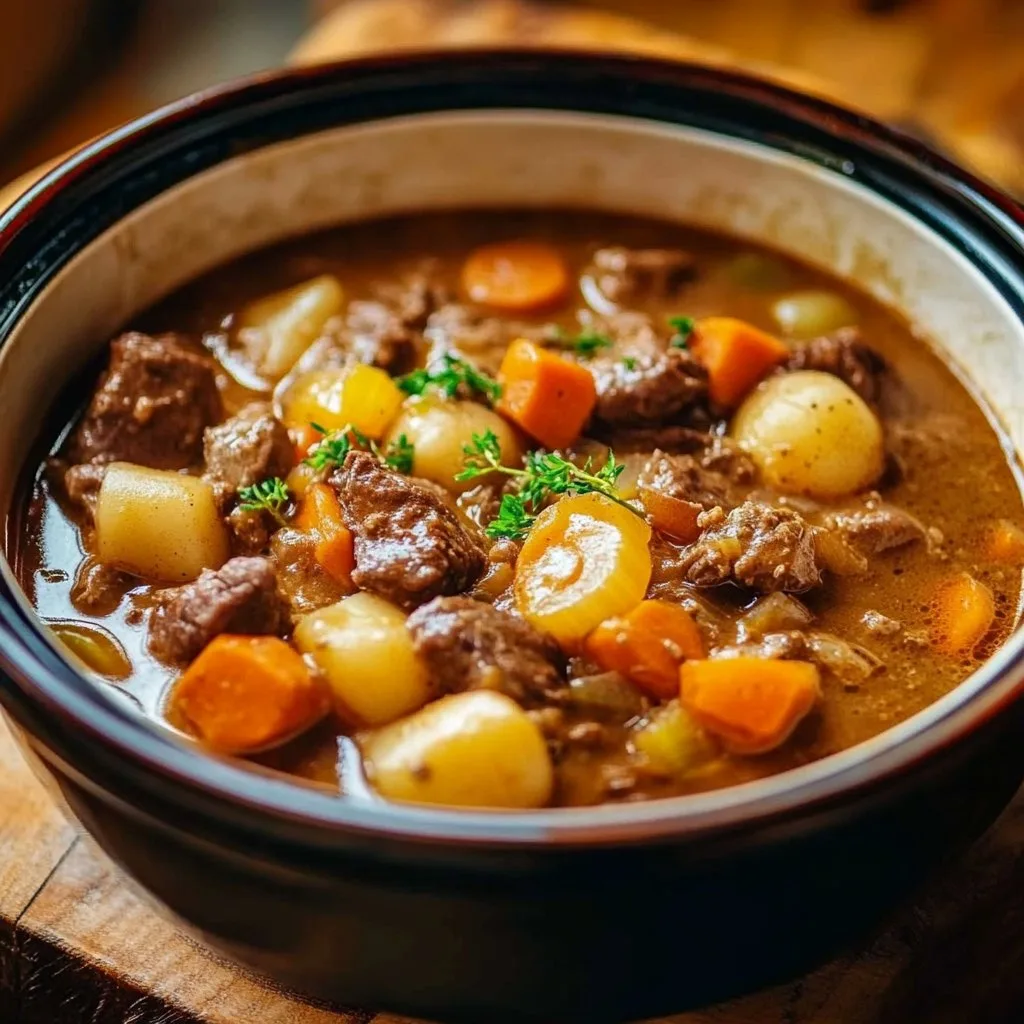
This Beef Stew carries the weight of Sunday afternoons and the soft hush that falls when a house is full of good food. In the South, a pot of stew is more than dinner. It is a way to show care without a long speech. It is the hand on your back when you come in from the rain and the warm bowl that waits when you need to sit and talk.
My family learned to cook by watching hands. We learned that loss of patience never improves a dish, and that browning meat properly is one small pride we pass along. When I make this Beef Stew, I think about my mama stirring the pot while she mended a shirt. She kept a towel over the shoulder of her apron. She told me once that slow cooking is a way to turn a few good ingredients into a memory.
This recipe matters in Southern kitchens because it holds two kinds of thrift. The first is the careful use of ingredients, where a little goes a long way. The second is the way food keeps on giving. Leftovers are not an afterthought. They are a promise. Meanwhile, the stew teaches patience and rewards it with depth.
Bringing Beef Stew Together With Care
“Every time this pot simmers, it feels like my mama’s kitchen all over again.”
Before you measure or chop, breathe in and promise yourself you will slow down. This stew is built on a rhythm: brown, simmer, and return. Browning gives color and taste. Simmering makes the meat tender and the veggies sweet. From there, a low flame and steady time weave the flavors into something familiar and kind.
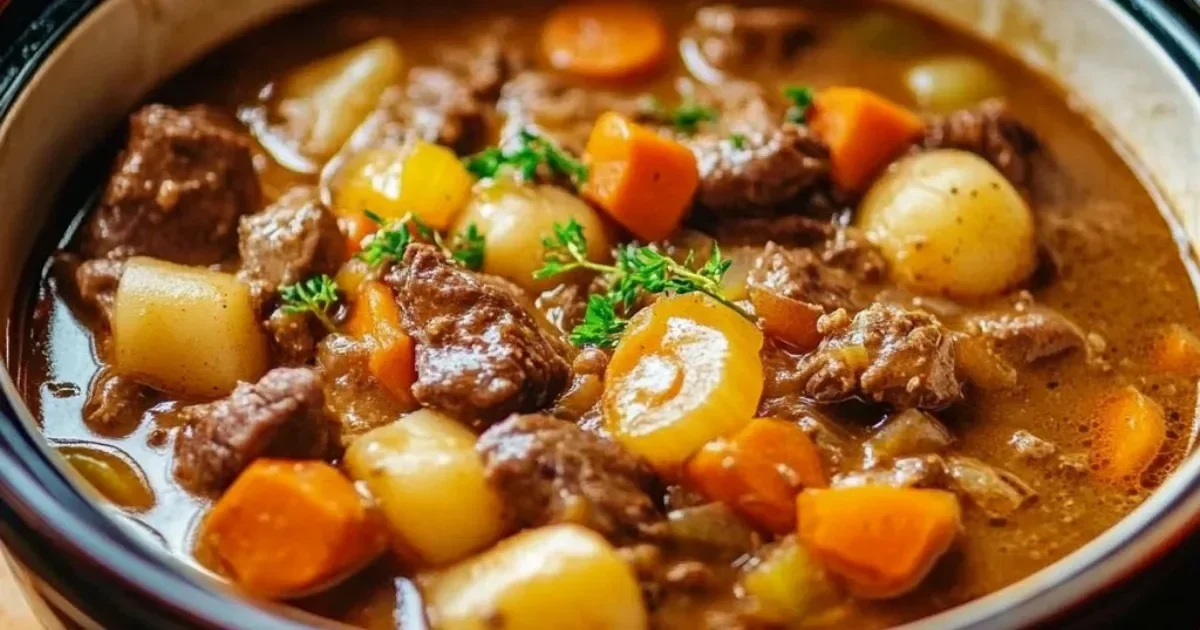
The smell will change as you go. First there is the sear, hot and a little sharp. Then the tomato paste wakes up and turns sweet as it cooks off. Later, the broth and thyme meet the beef and the pot fills the room with the gentle, savory smell that tells you supper is nearly ready. The texture should be soft but not mushy. The meat should yield and pull apart with a fork, and the potatoes should hold their shape like old friends.
If you like a variation with melted cheese and savory onions, try the idea behind a crock pot French onion beef stew for those nights when you want a golden, gooey top.
What You’ll Need to Make Beef Stew
- 2 lbs beef stew meat
- 4 cups beef broth
- 4 medium potatoes, diced
- 3 carrots, sliced
- 1 onion, chopped
- 2 cloves garlic, minced
- 2 tablespoons tomato paste
- 1 teaspoon dried thyme
- 1 teaspoon salt
- 1/2 teaspoon black pepper
- 2 tablespoons olive oil
- 1 bay leaf
Small notes: use real butter if you can, it gives that Sunday flavor when you finish with a pat on top. If you like a deeper brown fond, a splash of red wine while deglazing adds a warm, round tone. For an easy slow-cooker start, sear the meat in a cast iron pan, then transfer everything to a crock pot.
A few words about the ingredients and why they matter. The beef stew meat gives the dish its backbone. Choose chuck or blade if you can; those cuts become soft and silky under long, low heat. The beef broth is the stage where the rest of the flavors perform. For the potatoes, choose a waxy type if you want them to hold shape, or a floury potato if you want a slightly thicker broth. Carrots and onion add the sweet counterpoint and aromatics. Tomato paste is small but mighty; cook it down a bit to remove rawness and to unlock its sweetness. Thyme keeps the stew fragrant without shouting. Bay leaf is quiet but essential.
Step-by-Step Directions
- In a large skillet, heat olive oil over medium-high heat.
Brown the beef stew meat on all sides. Transfer to a slow cooker.
Look for a deep brown color and a little crust for flavor. - Add potatoes, carrots, onion, and garlic to the slow cooker.
Stir gently so the pieces nestle among the meat.
The potatoes should sit near the top so they do not disintegrate. - Stir in beef broth, tomato paste, thyme, salt, black pepper, and bay leaf.
Mix until the tomato paste loosens and spreads through the broth.
The scent should move from sharp to soft and full. - Cover and cook on low for 6-8 hours or until meat is tender.
If you must use high, cook 3-4 hours and check for tenderness.
The stew is done when meat pulls apart and potatoes yield under a fork. - Remove bay leaf before serving.
Taste and adjust salt and pepper to the room.
Serve with a spoon, a pile of crusty bread, and a steady chair.
These steps live in that waiting space where the kitchen becomes home. While the stew cooks, clean a corner, fold a towel, or sit at the table and let the house warm you. The slow cooker is a faithful listener; it does not hurry you, and it rewards the quiet with a rich, rounded bowl.
Bringing Beef Stew to the Table
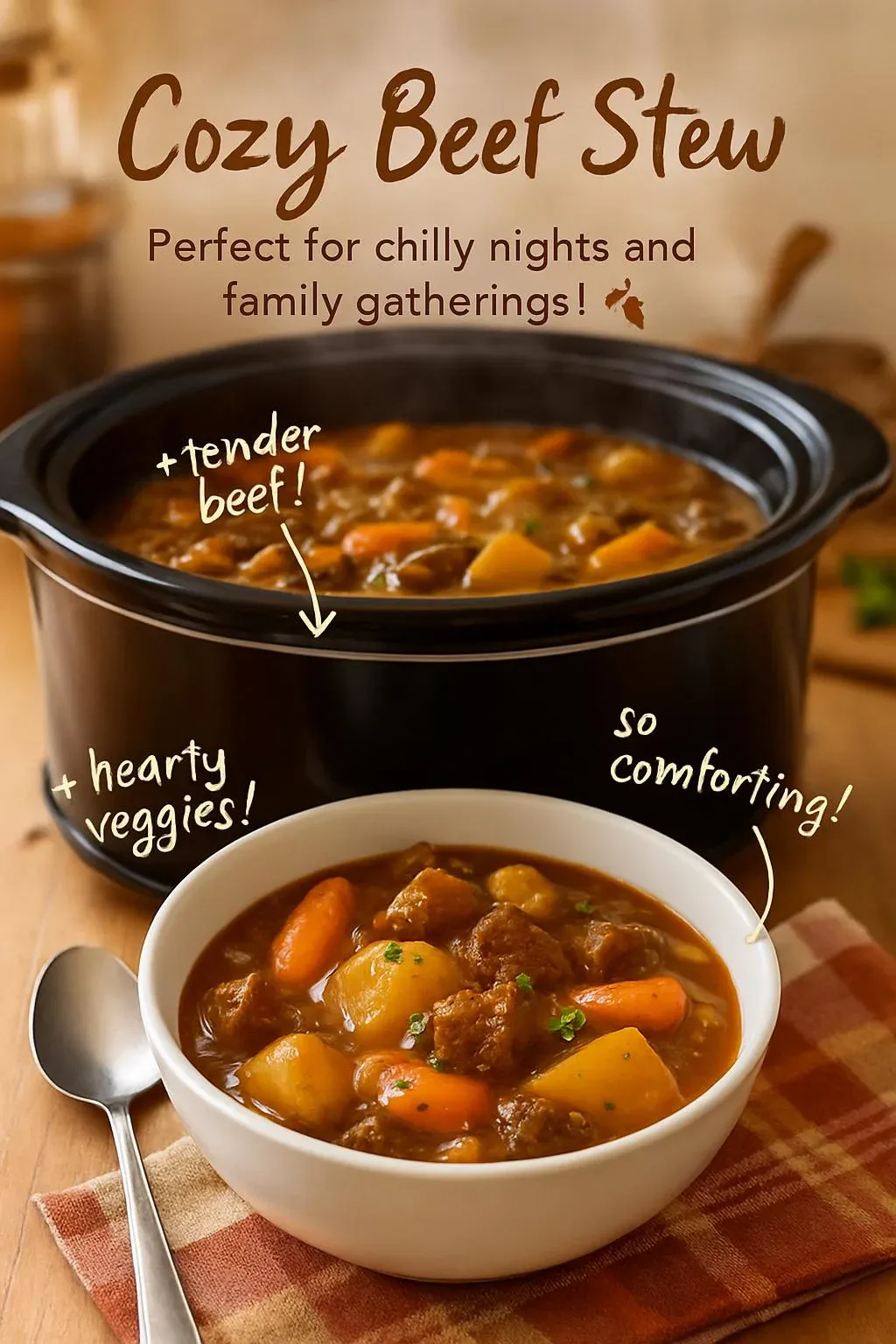
When the lid lifts, steam rises like a small blessing. Bring the pot to the table and let everyone see what patience can do. Bowls clink. Spoons drop into hot, spoonable goodness. The first scoop should offer meat that gives without resistance and vegetables that still read as distinct pieces, not a muddle. The sound of the ladle in the bowl is part of the memory.
Pair this Beef Stew with soft but sturdy sides. Biscuit or cornbread is a Southern right hand. A simple salad with crisp greens and a vinegar dressing can cut through the richness. If you want to stretch the meal for a crowd, drop mashed potatoes into a shallow baking dish, spoon the stew over them, and let everyone help themselves.
In some homes we serve with a bright slaw to play off the deep flavors. Elsewhere, people pour stew over rice for plain comfort. For those who love to layer flavors, a handful of chopped parsley or a little sharp cheddar ties the bowl together. If you prefer something heartier, consider a batch inspired by the hearty beef barley stew, which adds a nutty chew and keeps the table conversation going longer.
Serving is when hospitality shows. Offer hot plates, extra napkins, and a gentle word. Tell the story of how the pot came to be. Let a child stir in a spoon for luck. These small gestures are the secret recipe behind every bowl.
How to Save Beef Stew for Later
Slow-cooked meals deepen with time. Once cooled, the stew rests and the flavors marry into something closer to your memory. Put the pot away and let it cool for about 30 to 60 minutes. Then move the stew to airtight containers and chill.
In the refrigerator, the stew keeps well for 3 to 4 days. If you want to keep it longer, freeze it in portions for up to 3 months. When you reheat from frozen, thaw overnight in the refrigerator first if you can. Reheat gently on the stove over low heat so the meat stays tender.
To reheat: place a portion in a heavy pot over low heat. Stir occasionally until steam rises and the stew reaches a gentle simmer. If using an oven, set it to 325 F and heat covered until warmed through. For a quick fix, microwave in short bursts, stirring between each to maintain even heat.
The next day, you may find the liquid thicker. That is natural. If you like a thinner broth, add a splash of beef broth or water and warm slowly. If you prefer it thicker, whisk together a tablespoon of cornstarch and two tablespoons of cold water and stir into the near-simmering stew until it looks right.
Quiet Tips & Tricks
- Take time to brown. Sear the meat in small batches so the pan stays hot and the pieces do not steam. That brown crust is called fond. Deglaze the pan with a small splash of broth or wine to lift those savory bits into the pot.
- Cut uniformly. Chop potatoes and carrots into even pieces so they cook at the same rate. The visual uniformity makes the bowl feel made with intention.
- Salt late but taste often. Salt draws moisture and can concentrate. Season a little at the start and finish with a careful hand.
- Choose the right tools. A heavy skillet or cast iron gives a better sear. A good slow cooker holds steady heat and frees your hands. A wooden spoon is forgiving and familiar.
- Make use of the thickness you like. To thicken, reduce the liquid slightly or use a slurry of cornstarch and water. For a richer mouthfeel, finish with a knob of butter or a splash of cream.
If you want a different kind of slow-cooked fun, try a tangy route with BBQ pulled beef for a tangy twist another way my family stretches a pot of beef into something bright and new.
Family Twists on Beef Stew
Families bend recipes the way rivers bend banks. Here are a few regional and household shifts we have seen and tried.
- Onion and cheese topping. In one corner of my family, they ladle stew into oven-safe bowls, crown each with a slice of toasted French bread, and sprinkle grated Swiss or cheddar before broiling until bubbly. It becomes a stew and a sandwich in one.
- Southern herb mix. Another aunt adds a pinch of crushed sage and a bay leaf, then finishes with chopped flat-leaf parsley. The herbs make the broth taste like a walk through an herb garden.
- Root vegetable boost. In areas where roots are common, parsnips, turnips, and rutabaga find their way into the pot. They double the heart and add a honeyed depth.
- Okra for a different texture. In some Southern houses, okra is added at the end to lend a soft body to the stew and to honor the garden. Add it late so it does not dissolve.
- Barley or rice. To stretch portions without losing comfort, cook barley separately and stir into bowls or serve the stew over soft rice.
The important part is not to be exact but to make it mean something. Let the stew carry a family note, whether that is a pinch of pecan-smoked salt or a spoon of molasses for warmth.
FAQs About Beef Stew
Can I make this ahead of time?
Yes, and truth be told, it might taste even better the next day. That is how slow-cooked flavors settle and sing. Make the stew the day before for easier supper hour.
Can I use a Dutch oven instead of a slow cooker?
Absolutely. Brown the meat in the Dutch oven, add the rest of the ingredients, and cook in a 325 F oven for 2.5 to 3 hours, or simmer gently on the stove for about the same time until the meat is tender.
How do I fix a stew that is too thin?
Simmer uncovered for a while to reduce liquid. Or make a slurry with cornstarch and cold water, then stir in and cook until thickened. A roux made of equal parts butter and flour cooked briefly and whisked in will also add body and silk.
Can I freeze this stew?
Yes. Cool first, then pack into airtight containers and freeze up to three months. Thaw overnight in the fridge before reheating for the best texture.
What cut of beef should I use?
Chuck or blade roast meat is ideal. These cuts contain connective tissue that breaks down into tender, flavorful morsels with long, slow cooking.
Lila’s Little Lessons
- Warm the bowl first. Hot stew in a cold bowl cools fast. Warm bowls by filling them with hot water while you set the table.
- Use patience as a spice. If your day runs long, set the slow cooker to low early and keep the house quiet. Come home to a pot that has had time to become familiar with itself.
- Keep texture in mind. If you like your vegetables whole, add them halfway through cooking. If you want everything melting into one velvet spoon, add them at the beginning.
- A splash of acid brightens. When the bowl tastes a little flat, stir in a teaspoon of vinegar or lemon juice at the end to lift the flavors.
- Let kids help with safe jobs. Tearing fresh herbs, setting bowls, or stirring a cool pot are ways to teach without pressure. Those hands create future memories.
A Supper That Brings Everyone Closer
There is a small ritual in a family kitchen when a pot is set on the table. Someone always asks if it needs another minute. Someone always asks for seconds. In my house, those seconds are not just about the stew. They are about the quiet kindness of time given without demands.
When you share Beef Stew, you are sharing an invitation to slow down. You are handing your people a moment where the day is softened and ordinary things feel important. The bowl warms more than the hands. It warms the way we know how to keep each other safe through small acts.
If you have a favorite family twist, keep it alive. Pass the little secrets, the small changes that make the recipe yours. In that way, the stew collects stories and becomes more than food. It becomes a lineage.
Conclusion
If you want another trusted version to compare techniques and tips, I recommend looking at the Best Beef Stew Recipe for ideas on seasoning and texture. For a fresh, home-tested take with clear measurements and variations, see the Beef Stew Recipe {Homemade & Flavorful} – Spend With Pennies which offers useful notes on thickening and serving.
Until the next Sunday supper, keep a pot warmed for the people you love. Let the kitchen be a quiet witness to ordinary days made soft.
Print
Classic Beef Stew
- Total Time: 500 minutes
- Yield: 6 servings 1x
- Diet: None
Description
A comforting slow-cooked beef stew that brings warmth and connection to the table.
Ingredients
- 2 lbs beef stew meat
- 4 cups beef broth
- 4 medium potatoes, diced
- 3 carrots, sliced
- 1 onion, chopped
- 2 cloves garlic, minced
- 2 tablespoons tomato paste
- 1 teaspoon dried thyme
- 1 teaspoon salt
- 1/2 teaspoon black pepper
- 2 tablespoons olive oil
- 1 bay leaf
Instructions
- In a large skillet, heat olive oil over medium-high heat.
- Brown the beef stew meat on all sides. Transfer to a slow cooker.
- Add potatoes, carrots, onion, and garlic to the slow cooker.
- Stir gently so the pieces nestle among the meat.
- Stir in beef broth, tomato paste, thyme, salt, black pepper, and bay leaf.
- Cover and cook on low for 6-8 hours or until meat is tender.
- Remove bay leaf before serving. Taste and adjust seasoning.
- Serve with bread or your choice of sides.
Notes
For a richer flavor, consider deglazing with red wine. Leftovers can be stored for 3-4 days in the fridge or frozen for up to 3 months.
- Prep Time: 20 minutes
- Cook Time: 480 minutes
- Category: Main Course
- Method: Slow Cooking
- Cuisine: Southern
Nutrition
- Serving Size: 1 serving
- Calories: 425
- Sugar: 4g
- Sodium: 800mg
- Fat: 18g
- Saturated Fat: 7g
- Unsaturated Fat: 8g
- Trans Fat: 0g
- Carbohydrates: 30g
- Fiber: 4g
- Protein: 32g
- Cholesterol: 80mg