
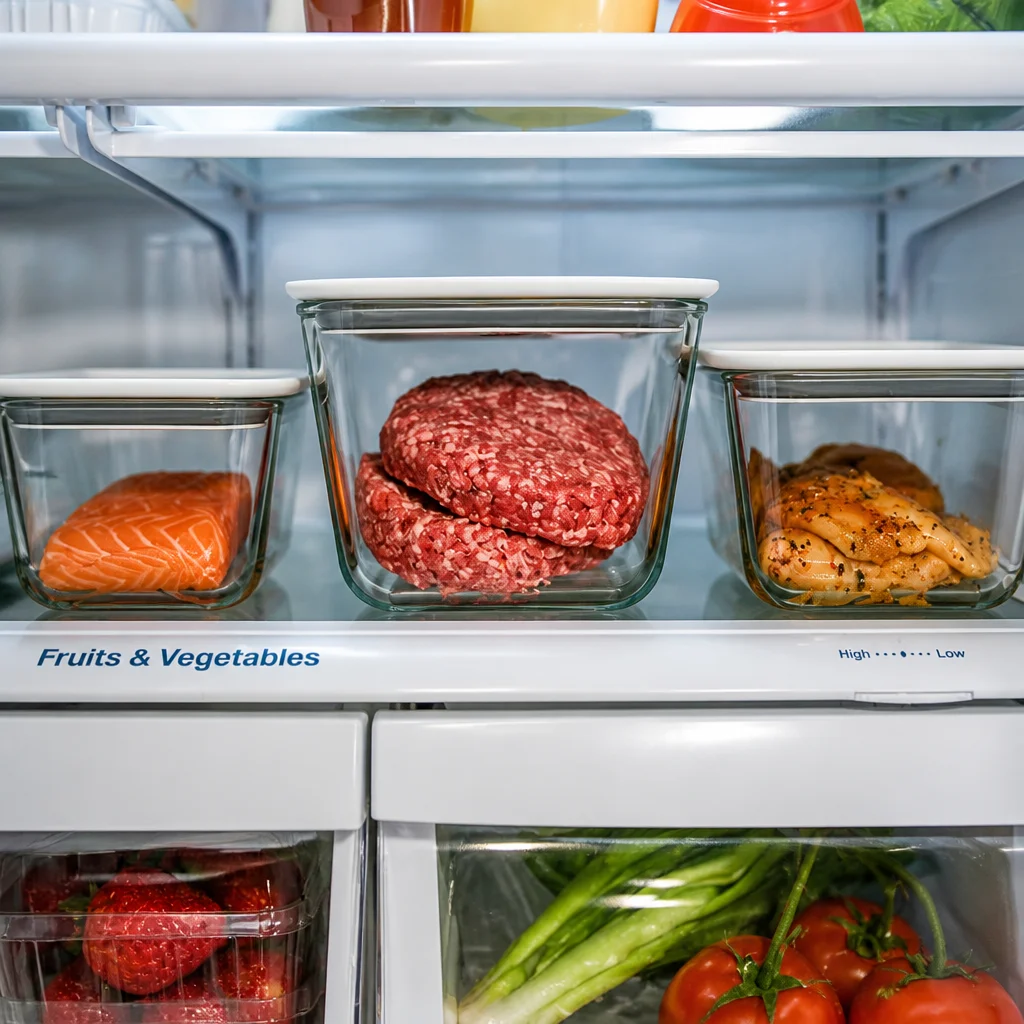
how to tell if ground beef is bad is one of those questions you do not think about until you are standing there with the fridge door open, package in hand, and dinner plans on the line. I have totally been there, especially on busy weeknights when I just want tacos or a quick skillet meal and not a whole science project. The tricky part is that ground beef can look kind of okay at first glance, even when it is not. So today I am sharing the simple checks I actually use at home, the same ones I would tell a friend over coffee. If anything feels off, trust your gut and do not risk it. 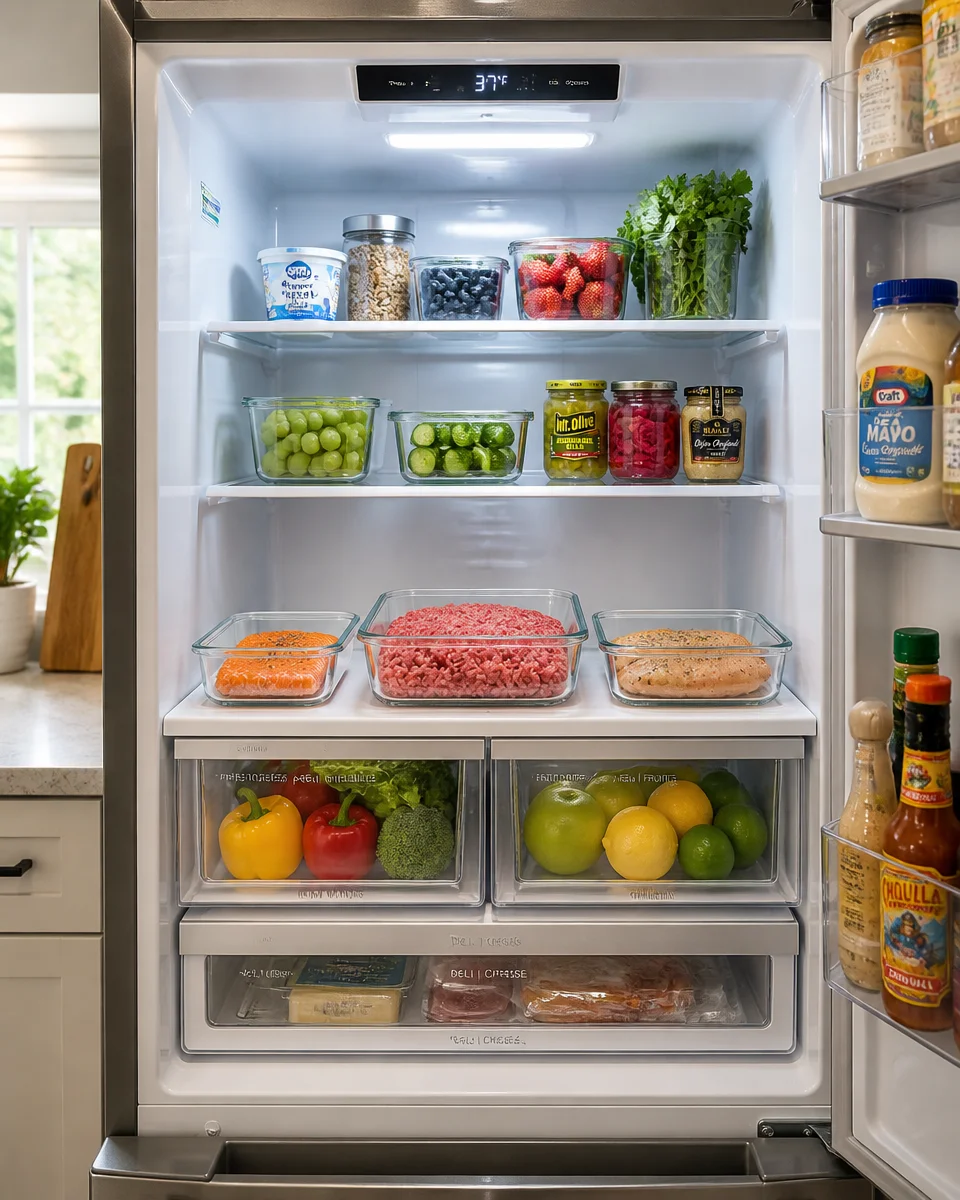
Check the color
Color is usually the first thing people notice, and it can be helpful, but it is not the only thing. Fresh ground beef is typically a bright red on the outside, especially when it has been exposed to oxygen. Inside, it can look a little more brown or gray because it has not had as much air. That part alone does not automatically mean it is bad.
Here is what I personally look for when deciding if it is time to toss it:
- Bright red outside with a normal meat smell usually means it is fine, especially if it is within the date.
- Some brown or gray in the center can be normal, especially in thicker packs.
- Gray or greenish tint all over is a big warning sign.
- Rainbow or shiny film can happen from lighting and packaging, but if it comes with weird smell or slime, do not use it.
One more thing that helps is thinking about what you planned to cook. If I am making something cozy like a casserole, I want the beef to be really fresh because it is the main flavor. If you are in the mood for comfort food, this beef and potato casserole is exactly the kind of dinner where starting with good meat matters.
When in doubt, move on to the next tests. Color can fool you, but the combination of clues rarely does. 
Inspect the texture
Texture is my secret weapon because it is harder for bad meat to hide once you touch it. You do not need to mash it around. Just a light press through the packaging can tell you a lot, and if you have already opened it, use clean hands and wash up right after.
What ground beef should feel like
Fresh ground beef should feel a little moist, but not sticky. It should break apart easily and look like loose crumbles or strands depending on the grind. If you pat it with a paper towel, you might get a little moisture, but it should not feel like it is coated in something.
Textures that scream “do not eat this”
These are the big red flags:
Slime is the main one. If it feels slick or gooey on the outside, that is not normal. Also watch for:
- Sticky surface that clings to your fingers
- Mushy texture that smears instead of crumbling
- Excess liquid that looks cloudy or milky in the bottom of the tray
I once opened a package that looked “fine” but felt slightly tacky, and I tried to convince myself it was just cold. Nope. Ten seconds later the smell test proved me wrong. Since then, I do not argue with slimy beef. It goes straight into the trash, bagged up tight.
And just a quick safety note from my own kitchen habits: if you touched questionable beef, wipe the counter, wash your hands, and do not reuse that sponge without rinsing and sanitizing it. It is a tiny step that saves a lot of hassle. 
Perform a smell test
The smell test is the fastest and most reliable for me. Even if you have never done it before, you will know when something is off. Fresh ground beef has a mild “meaty” smell, sometimes almost no smell at all.
If you open the package and get hit with a strong odor, do not talk yourself out of it. Here are common bad smells:
- Sour or tangy like spoiled dairy
- Rotten or sulfur-like
- Ammonia or sharp chemical smell
Sometimes the packaging has its own odor when you first open it. I usually give it a few seconds, then smell the meat itself. If it still smells weird, that is your answer.
This is also where the “I really do not want to waste food” feeling kicks in. I get it. But food waste is better than food poisoning, every single time. If you are craving something hearty and you decide to grab fresh beef instead, I love making this cowboy beef potato casserole when I want an easy dinner that feels like it took more effort than it did.
One important reminder: cooking does not “fix” bad meat. Heat can kill some bacteria, but it does not remove the toxins and it will not magically make spoiled food safe again. If it smells bad, it is bad.
Side effects of eating bad beef
Let us talk about the part nobody wants to deal with. Eating spoiled ground beef can lead to foodborne illness, and it can hit fast or sneak up later. Symptoms vary depending on the bacteria involved and how much you ate, but they are never fun.
Common side effects can include:
- Nausea and stomach cramps
- Vomiting
- Diarrhea
- Fever or chills
- Weakness and dehydration
Some people are more at risk for serious complications, like older adults, pregnant people, young kids, and anyone with a weaker immune system. If symptoms are severe, last more than a couple days, or include high fever, blood in stool, or signs of dehydration, it is smart to call a healthcare professional. I am just a home cook, but I take this stuff seriously because I have had one bad food poisoning experience and I do not need a sequel.
Basically, if you are debating whether the beef is questionable, remember the trade off. A few dollars of meat is not worth a day or two of feeling awful.
Tips for safely handling and storing ground beef
Once you learn how to tell if ground beef is bad, the next step is preventing it from getting to that point in the first place. Ground beef is more delicate than a big steak because more surface area is exposed, so it can spoil faster.
Simple storage habits that really help
Here is what works well in my everyday routine:
- Keep it cold: Put ground beef in the fridge as soon as you get home.
- Use it fast: If I am not cooking it within a day or two, I freeze it.
- Freeze in portions: I press it flat in freezer bags so it thaws faster and stacks neatly.
- Label it: A quick date written on the bag saves so much guessing later.
- Thaw safely: Thaw in the fridge overnight, not on the counter.
- Avoid cross contamination: Separate cutting boards for raw meat and veggies, or wash really well between.
I also like to put the package on a plate in the fridge, just in case there is any leaking. It keeps everything else safe and saves me from that annoying “why is there meat juice on the shelf” cleanup.
And while we are chatting kitchen habits, if you are planning a little comfort food weekend and want a sweet treat on the side after dinner, this Christmas crack saltine cracker toffee is dangerously easy. It is not beef-related, obviously, but it is the kind of dessert that makes you forget the stress of figuring out dinner.
Common Questions
Is brown ground beef always bad?
No. Brown or gray inside can be normal, especially if it has not been exposed to oxygen. If it is brown all over and also smells off or feels slimy, then it is likely bad.
How long does ground beef last in the fridge?
In my house, I treat it as a cook soon item. If I am not using it within a day or two, I freeze it. Always check the package date too, but remember that smell and texture matter.
Can I rinse ground beef to remove bacteria or smell?
No. Rinsing can splash bacteria around your sink and counters, and it will not make spoiled meat safe. If it smells bad, do not use it.
What if it smells a little weird but looks fine?
I would not risk it. Smell is a strong indicator. When I am unsure, I toss it and make something else instead.
Can I cook it longer to make it safe?
Cooking thoroughly is important for safety with fresh meat, but it does not rescue meat that has already spoiled. Spoiled is spoiled.
A quick wrap up before you cook
Knowing how to tell if ground beef is bad comes down to a few simple checks: look at the color, feel the texture, and trust the smell test. If any of those are giving you red flags, do yourself a favor and do not gamble with dinner. If you want an extra refresher from a health focused source, I like this guide from How to Tell If Ground Beef Is Bad: 4 Simple Ways to Check – Healthline, and this one is also clear and practical: How to Tell If Ground Beef Is Bad: Signs, Smell, and Color Explained. Now go grab a fresh pack, wash your hands, and make that cozy dinner you were craving.