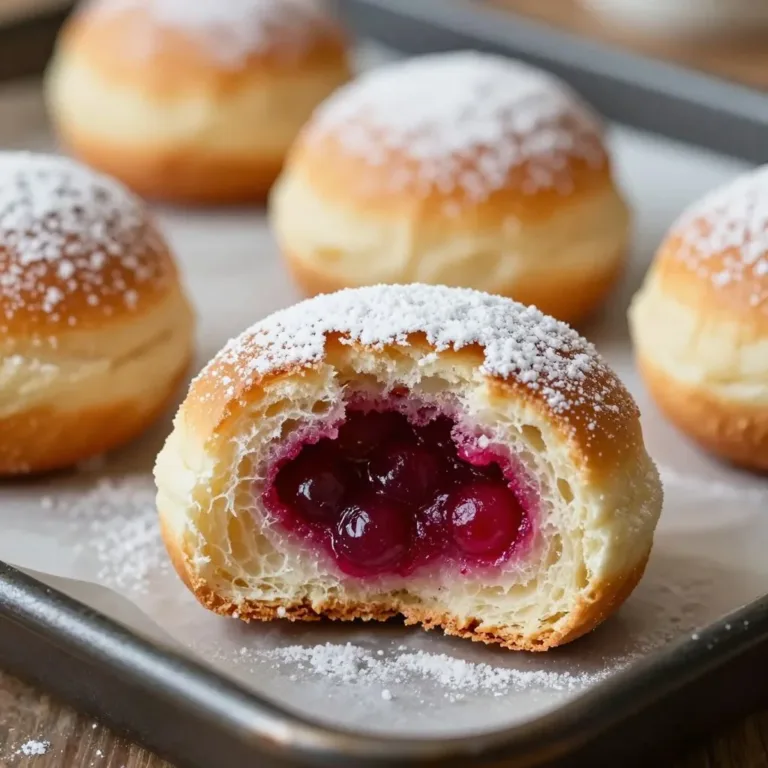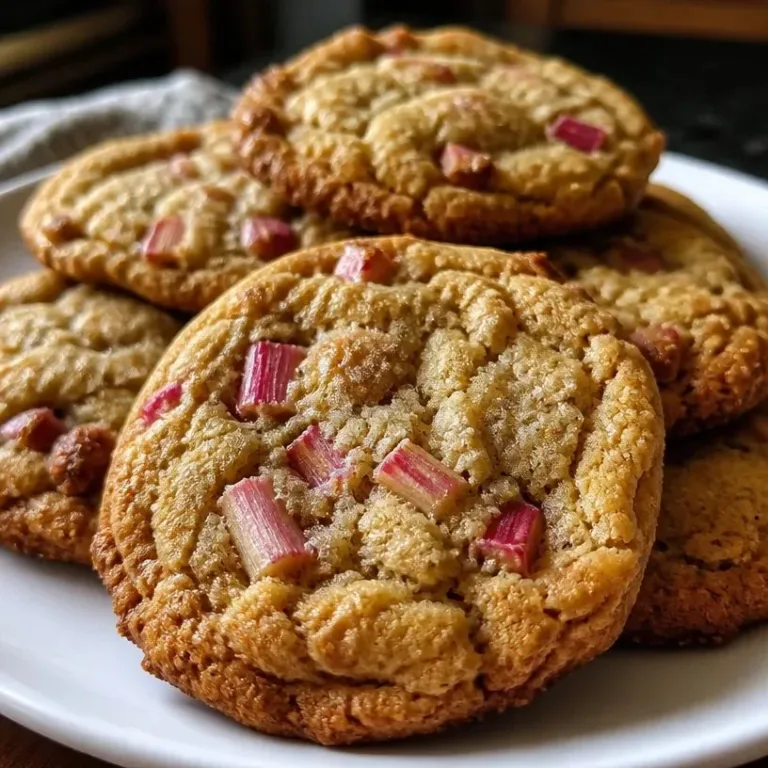
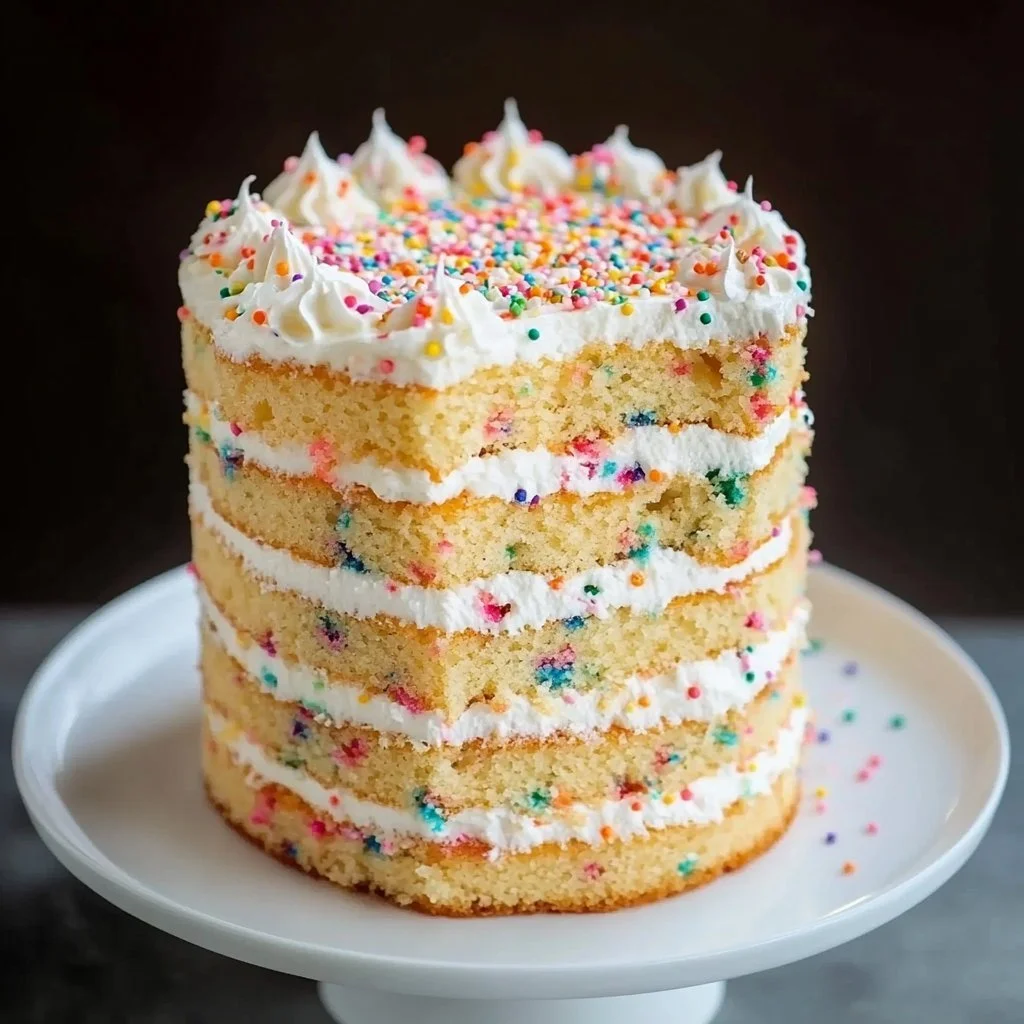
I can still smell the sweet, warm scent of butter and coconut that used to float from my mother’s kitchen on slow Sunday afternoons. The Coconut Confetti Cake would cool on the counter, a pastel-dusted beacon for whoever wandered in. We would slice it thin, hand a piece to the neighbor, and sit close, coffee cups steaming, while the light shifted across the tablecloth. That quiet ritual taught me that a simple homemade cake can hold a family together as surely as any holiday feast.
Why Coconut Confetti Cake Still Belongs at the Table
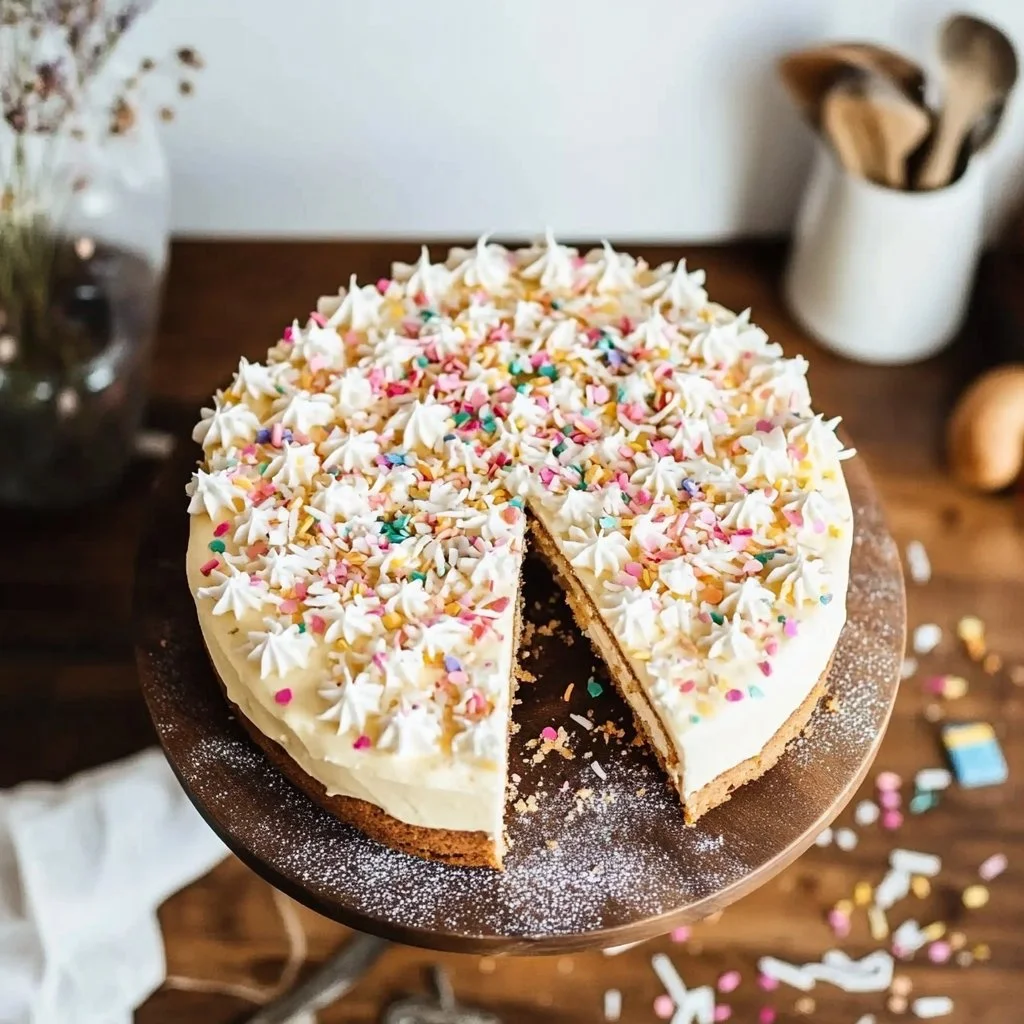
This cake carries the soft, cheerful spirit of Italian-American celebrations. It is not grand like a tiered wedding cake, and it is not fussy. It is the cake you bring to a first communion, the one you leave on the front step for a new neighbor, the cake that folds childhood birthdays and weekday comforts into a single slice.
In our family, Italian dessert recipes often passed down in voice and by sight. A recipe might travel from nonna’s notepad to a niece’s phone, each baker adding a quiet change. The Coconut Confetti Cake fits into that tradition because it is easy to love and easy to share. It pairs well with espresso after dinner, and it works as a bright celebration dessert for a table full of relatives.
This cake reminds us that celebration can be simple. The pastels of the confetti speak to birthdays and baby showers, but the coconut and vanilla flavors echo the flavor memories of a family that knows how to take time for food and company. It shows how Italian-American desserts can be both familiar and playful, a small indulgence that feels like home.
Bringing Coconut Confetti Cake Together With Care
“Every dessert like this carries a memory, whether you realize it or not.”
Before you measure a cup, take a moment to notice the rhythm: the soft scrape of a spoon, the little hum of the mixer as eggs and sugar become one, the hush that settles while a cake bakes. Baking this Coconut Confetti Cake is like keeping time with those small sounds. It is calm work. It asks for attention, not hurry.
The aroma when the cake bakes is gentle and familiar. Butter and coconut mingle and lift into the room. The crumb should be tender and moist, not heavy. The frosting is a soft blanket, not a stiff mask. From there, the confetti gives the cake a warm, homey cheer without overwhelming the coconut note.
This recipe is forgiving. When you follow the steps with patience, you will notice small cues: batter thickening to ribbon-like folds, the edges pulling away from the pan when the cake is done, frosting settling into a smooth, satiny finish. These cues are your kitchen wisdom in action.
What You’ll Need to Make Coconut Confetti Cake
2 cups all-purpose flour (260 g)
2 teaspoons baking powder
½ teaspoon kosher salt
½ cup unsalted butter, melted and cooled (113 g)
½ cup + 3 tablespoons coconut oil (155 g)
1 cup granulated sugar (200 g)
4 large eggs, room temperature
½ cup full-fat coconut milk, canned (120 g)
⅔ cup pastel rainbow confetti
1 cup unsalted butter, room temperature (226 g)
3 ½ cups confectioners’ sugar (405 g)
¼ teaspoon kosher salt
2 tablespoons full-fat coconut milk, canned
Notes as you gather ingredients: using room temperature eggs helps the batter come together smoothly. Full-fat coconut milk adds richness and a subtle coconut tang that pairs with the coconut oil. If you prefer a softer crumb, whole milk or a mix of milk and ricotta can be a gentle swap, though the full coconut flavor will shift. Real butter gives the cake a round, familiar flavor and a tender crumb, so I encourage you to use it rather than margarine.
Step-by-Step Directions
Preheat the oven to 350°F (175°C).
Grease and flour a 9×5-inch loaf pan or line with parchment.
Warmth from the oven settles the kitchen and eases the batter into its final form.Whisk together flour, baking powder, and salt in a bowl.
Sifting is optional, but whisking evens the leavening and gives a lighter crumb.
The dry mix smells faintly of flour and sea salt, a quiet promise.In a large bowl, mix melted butter, coconut oil, and sugar until smooth.
Stir until the sugar begins to dissolve and the mixture looks cohesive.
The gloss of the butter and oil should calm the sugar into a silkier shine.Add eggs one at a time, beating after each addition.
Beat until each egg is fully incorporated and the batter looks slightly airy.
The mixer hums and the batter lightens, showing you that air has been folded in.Stir in coconut milk and fold in dry ingredients until just combined.
Fold gently so the batter stays tender and not overworked.
Watch the batter thicken to a satin ribbon as flour disappears.Gently fold in confetti and pour into prepared pan.
Fold until the sprinkles are evenly scattered, leaving no streaks of color.
Tap the pan once or twice to settle the batter so the top is smooth.Bake for 45 to 55 minutes or until a toothpick comes out with a few crumbs.
The cake’s edges will become golden and begin to pull away from the pan.
A skewer with a few crumbs signals the center is baked but still moist.Cool in the pan for 15 minutes, then transfer to a wire rack.
The cake will firm as it cools and relax into its final texture.
Once cooled, the crumb should be soft and slightly springy to the touch.To make frosting, beat butter until pale, add sugar gradually, then mix in salt and coconut milk.
Beat until smooth and spreadable, a pillow of sweet cream that will cushion each slice.
The frosting should glide but hold peaks that smooth with a spatula.Frost cooled cake, smoothing with a spatula and add extra confetti on top.
Work gently so the crumbs do not mix into the frosting, and keep edges neat.
The final sprinkles make the cake look like a small celebration on a plate.
Bringing Coconut Confetti Cake to the Table
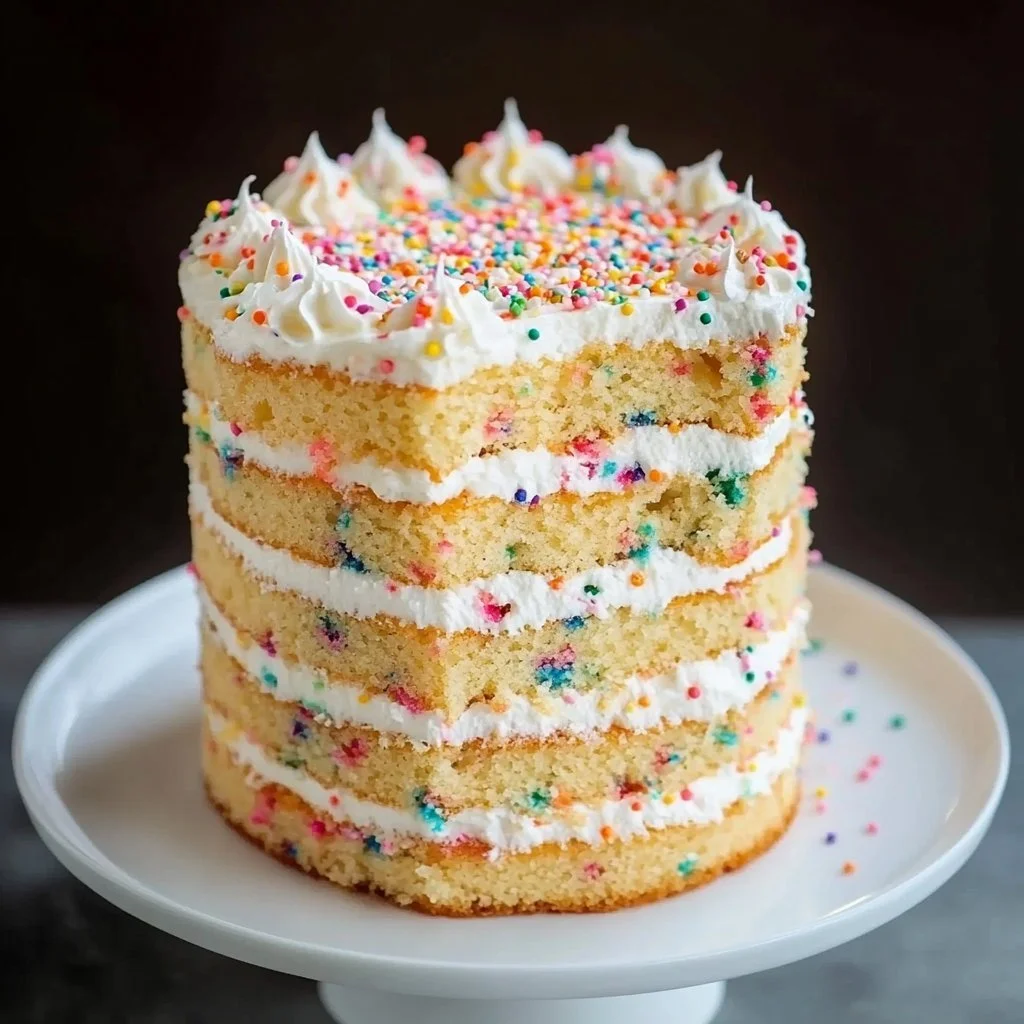
When the cake comes to the table, slice it with a long, thin knife, wiping the blade between cuts. Each slice will show a pale golden crumb flecked with tiny pastel lights. Arrange slices on simple white plates or a patterned platter, and set a bowl of extra confetti nearby for those who want more cheer.
This cake pairs beautifully with coffee, whether strong espresso after dinner or a milky cappuccino in the afternoon. A scoop of vanilla gelato or a dollop of mascarpone makes a graceful accompaniment on special days. For casual moments, a cup of tea and a quiet chair will do just fine.
Serve small slices so the sweetness feels like a treat, not a weight. The texture is a bridge between a soft sponge and a tender loaf; you will feel the coconut oil’s silk and the butter’s warmth in each bite. The confetti adds a playful crunch but never steals the show.
How to Store Coconut Confetti Cake
Store leftover cake on the counter if you plan to eat it within 1 to 2 days. Keep it covered with a cake dome or cling film to protect the frosting and keep the crumb tender.
If you need to refrigerate, wrap the cake tightly in plastic and place it in an airtight container. Refrigeration can firm the frosting and make the cake denser, so allow slices to come to room temperature for about 20 to 30 minutes before serving.
To freeze, wrap the unfrosted loaf tightly in two layers of plastic and then foil. Freeze for up to 3 months. When you are ready to frost, thaw overnight in the refrigerator and bring to room temperature before spreading frosting. Freezing does not ruin the texture, but the confetti may soften slightly.
The cake often tastes better the next day. Flavors settle and the crumb relaxes, which is why this recipe is perfect for make-ahead planning. This is one of the small joys of homemade cake: patience is rewarded.
Giulia’s Kitchen Notes
- Pan choice matters. I use a 9×5-inch loaf pan for a humble, shareable shape, but you can bake this in an 8×8-inch square pan for a different look. For a bundt cake version, increase baking time and check doneness often.
- Temperature of ingredients. Let eggs sit at room temperature for 30 minutes and measure liquids with a steady hand. Warm ingredients incorporate more easily and create a smoother batter.
- Confetti caution. Use pastel rainbow confetti and fold gently. If you overwork the batter, the sprinkles can bleed color into the crumb. For a softer look, toss the confetti in 1 teaspoon of flour before folding them in.
- Frosting texture. If your frosting seems too stiff, add a teaspoon of coconut milk at a time until it spreads easily. If it is too soft, add sifted confectioners sugar a little at a time until it reaches the right consistency.
- Flavor lift. Add a teaspoon of pure vanilla extract or the zest of half a lemon to the batter to brighten the flavors. Citrus will make the coconut feel fresher and give the cake a subtle lift.
Family Twists on Coconut Confetti Cake
Every family will put its own spin on this cake. Here are a few small ideas that have passed through my kitchen and others.
- Citrus confetti. Add the zest of an orange to the batter for a bright, sunny note. It pairs well with the coconut and feels very Italian-American, like a summer lemon cake.
- Cannoli style cake. Fold in small chocolate chips and a handful of ricotta to make the cake echo cannoli filling. Finish with a dusting of powdered sugar and a few candied orange bits. This cannoli style cake is a playful bridge between two beloved desserts.
- Chocolate dipped. Slice and dip the bottom half of each slice in melted dark chocolate for a simple two-tone treat. The chocolate cools to a firm shell and makes each bite more festive.
- Bundt cake variation. Bake in a bundt pan and glaze with a thin coconut milk and powdered sugar glaze. The shape makes a lovely centerpiece for celebration desserts.
- Nutty addition. Fold in toasted chopped almonds or pistachios for a little crunch and a touch of old-world nuttiness. The toastiness complements the coconut and butter.
These variations keep the heart of the cake intact while letting each family build its own story into the recipe.
FAQs About Coconut Confetti Cake
Can I make this ahead of time?
Yes. Desserts like this are patient. In fact, the flavor often settles and deepens overnight. Bake a day ahead, frost the next day, and allow it to rest so the flavors come together.
Can I use light coconut milk instead of full-fat?
You can, but full-fat coconut milk gives the cake a richer texture and flavor. Using light coconut milk will produce a lighter crumb but a less pronounced coconut note.
My cake bakes unevenly. What can I do?
Check your oven temperature with an oven thermometer. Rotate the pan halfway through baking. Use a light-colored pan for more even baking, and avoid overfilling the pan.
Can I make this vegan or allergen-free?
You can adapt this cake, but it will change the texture. Use a vegan butter substitute, plant-based milk, and egg replacer or flax eggs. I suggest testing a small batch to adjust leavening and liquid ratios for a successful vegan confetti cake.
How do I prevent the confetti from bleeding color into the batter?
Toss confetti with a teaspoon of flour before folding it in, fold gently, and avoid overmixing. Using high-quality sprinkles also reduces color bleeding.
A Final Sweet Note
This Coconut Confetti Cake is more than a list of ingredients. It is a small ritual, a way to call people in, to offer a slice and a story. In each household the recipe will become a little different, marked by the person who stirs the batter, the child who sprinkles the confetti, the neighbor who offers a slice back.
I like to think of these recipes as quiet heirlooms. They travel from hand to hand, from small kitchen to bigger table, carrying the flavors of a life that values both food and the company it keeps. When you bake this cake, let it be a gentle practice of joy.
Conclusion
If you like this Coconut Confetti Cake and want another take or a plant-based option, you might enjoy seeing another version of a confetti cake, such as this Coconut Confetti Cake – The Little Epicurean for inspiration. For a vegan twist and ideas on how to adapt sprinkles and dairy, take a look at my vegan confetti cake – Candice Kumai to explore alternative approaches.
Until the next slice, may your kitchen be warm, your coffee hot, and your table always a place for gentle conversation and sweet sharing.
Coconut Confetti Cake
- Total Time: 70 minutes
- Yield: 10 servings 1x
- Diet: Vegetarian
Description
A cheerful Italian-American cake filled with the flavors of coconut and vanilla, perfect for celebrations or quiet moments at home.
Ingredients
- 2 cups all-purpose flour (260 g)
- 2 teaspoons baking powder
- ½ teaspoon kosher salt
- ½ cup unsalted butter, melted and cooled (113 g)
- ½ cup + 3 tablespoons coconut oil (155 g)
- 1 cup granulated sugar (200 g)
- 4 large eggs, room temperature
- ½ cup full-fat coconut milk, canned (120 g)
- ⅔ cup pastel rainbow confetti
- 1 cup unsalted butter, room temperature (226 g)
- 3 ½ cups confectioners’ sugar (405 g)
- ¼ teaspoon kosher salt (for frosting)
- 2 tablespoons full-fat coconut milk, canned (for frosting)
Instructions
- Preheat the oven to 350°F (175°C).
- Grease and flour a 9×5-inch loaf pan or line with parchment.
- Whisk together flour, baking powder, and salt in a bowl.
- In a large bowl, mix melted butter, coconut oil, and sugar until smooth.
- Add eggs one at a time, beating after each addition.
- Stir in coconut milk and fold in dry ingredients until just combined.
- Gently fold in confetti and pour into prepared pan.
- Bake for 45 to 55 minutes or until a toothpick comes out with a few crumbs.
- Cool in the pan for 15 minutes, then transfer to a wire rack.
- To make frosting, beat butter until pale, add sugar gradually, then mix in salt and coconut milk.
- Frost cooled cake and add extra confetti on top.
Notes
Using room temperature eggs helps the batter come together smoothly. Store leftovers covered on the counter or wrapped in the refrigerator.
- Prep Time: 15 minutes
- Cook Time: 55 minutes
- Category: Dessert
- Method: Baking
- Cuisine: Italian
Nutrition
- Serving Size: 1 slice
- Calories: 350
- Sugar: 25g
- Sodium: 200mg
- Fat: 16g
- Saturated Fat: 8g
- Unsaturated Fat: 5g
- Trans Fat: 0g
- Carbohydrates: 45g
- Fiber: 2g
- Protein: 5g
- Cholesterol: 80mg